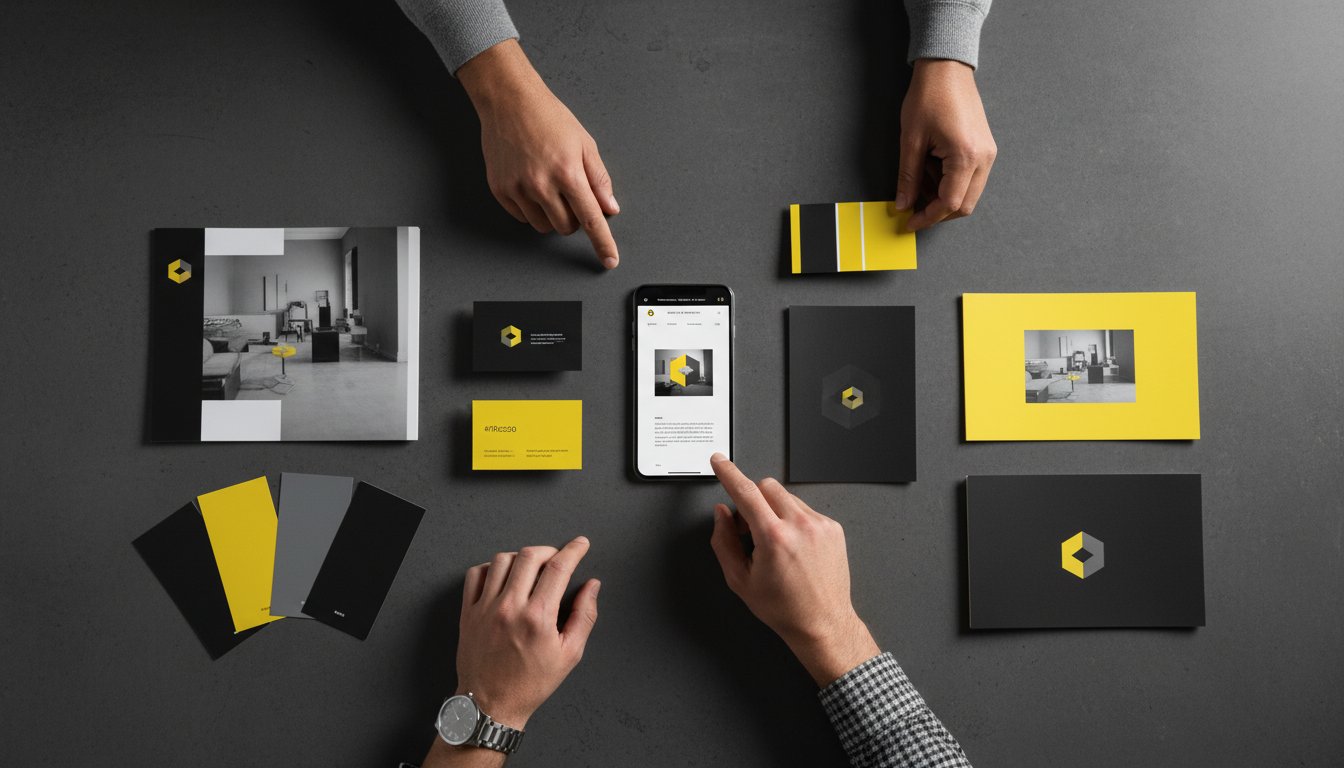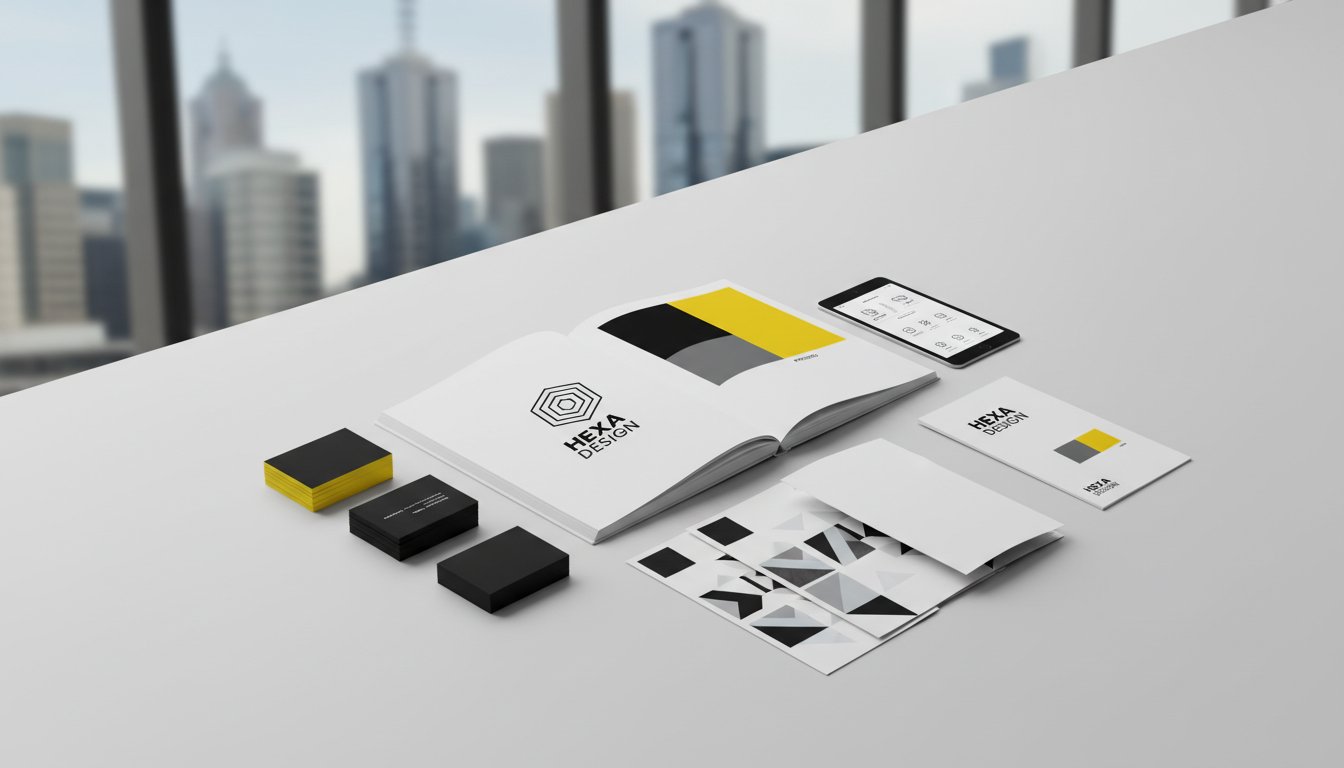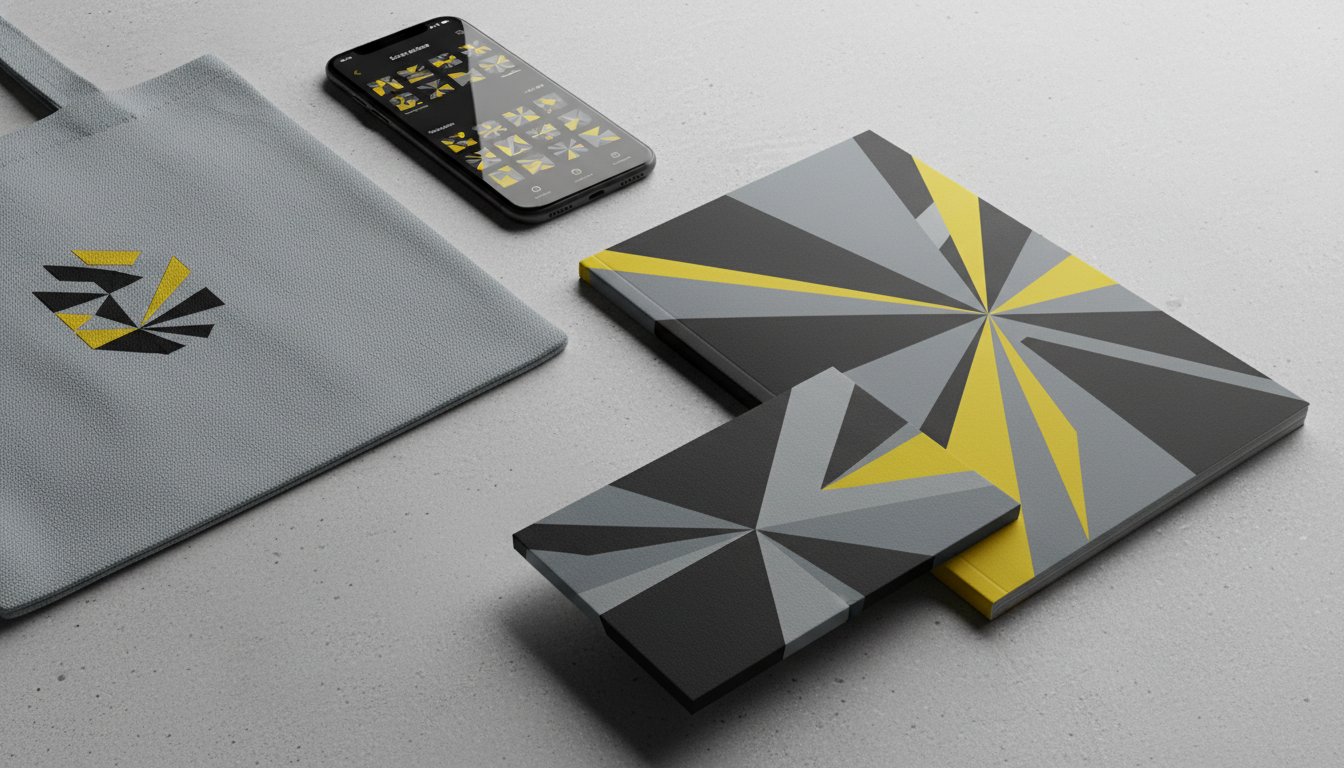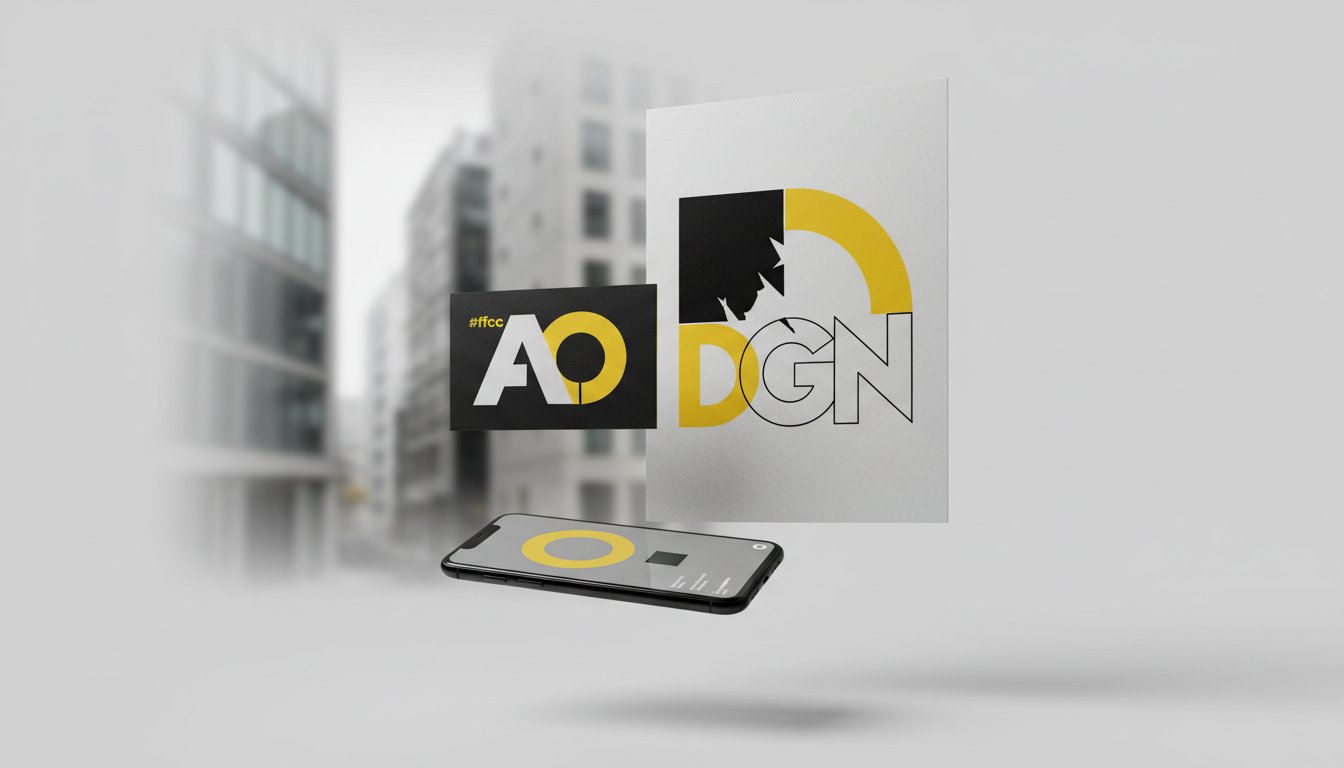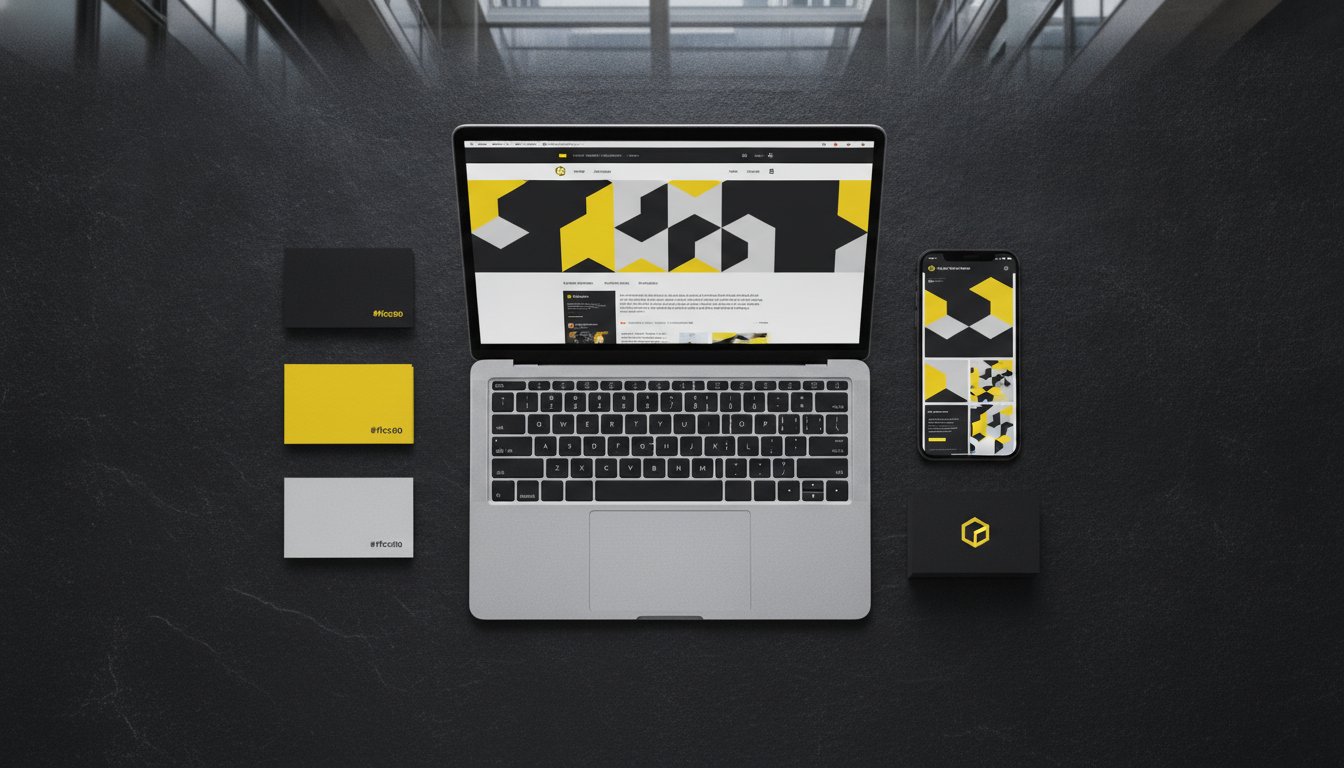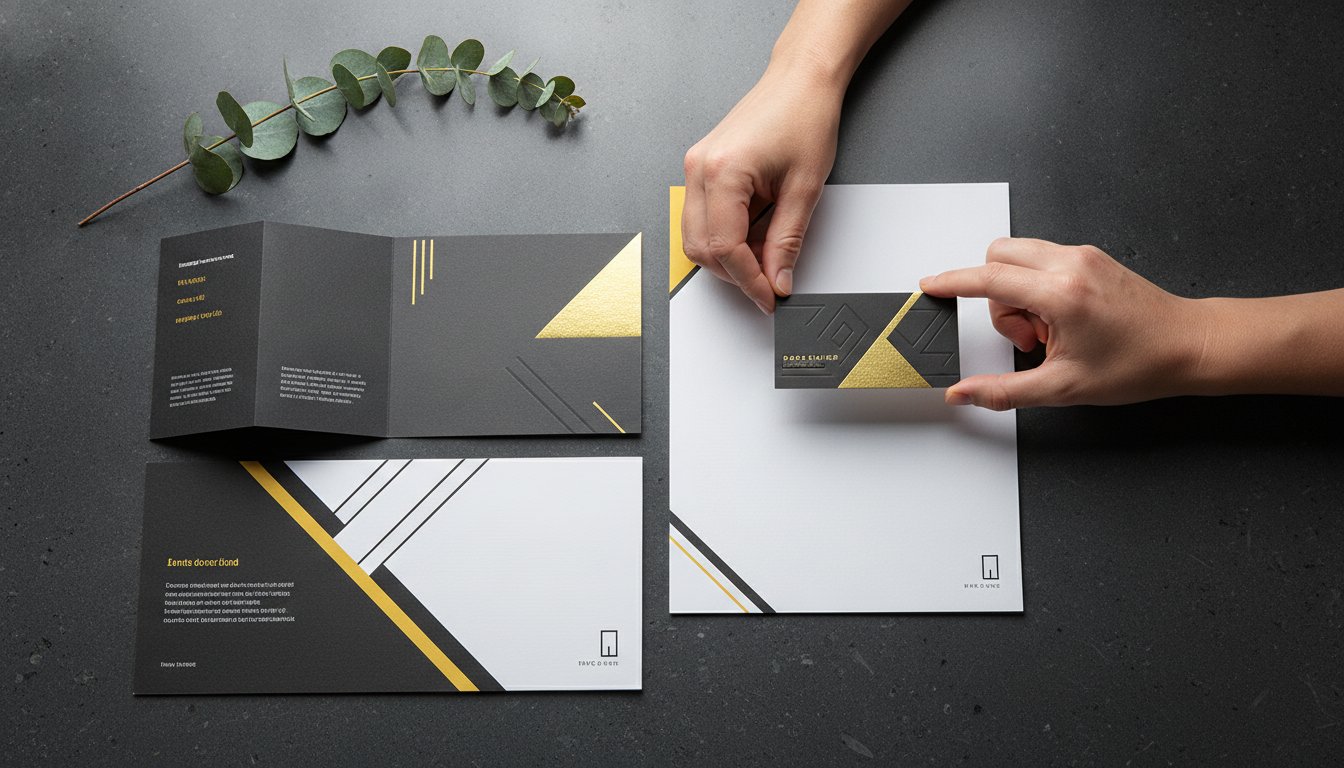
A generic business card is essentially a handshake that fails to make eye contact. In a world where digital noise is constant, the physical weight of your brand matters. You’ve likely felt the frustration of a brochure looking "cheap" or seeing your brand colours shift between the screen and the page. This is where strategic custom print design becomes essential. You want your physical touchpoints to feel as premium as the services you provide, yet technical specs like bleed and CMYK often create more confusion than clarity.
Bespoke assets are the bridge. They connect your digital presence to a tangible, high-end experience. We know your time is valuable. Your brand integrity is non-negotiable. This guide shows you how to move beyond basic templates to create collateral that elevates your brand and drives real business outcomes. We’ll explore paper stocks, technical requirements, and the finishes that turn simple collateral into a powerful brand ambassador.
• Understand why bespoke creation is a strategic investment that defines your brand’s physical presence and builds trust.
• Learn how to maintain absolute colour consistency by navigating the critical shift from screen-based RGB to professional CMYK and Pantone systems.
• Compare the limitations of generic online templates with the unlimited creative control offered by professional custom print design.
• Master the project workflow by defining strategic objectives and developing a creative brief that ensures every asset hits the mark.
• Discover how tactile finishes and intentional design turn static assets into powerful tools for high-end brand elevation.
Custom print design is the bespoke creation of visual assets specifically tailored for physical production. It moves beyond simply placing a logo on a page. It involves a deliberate tactile strategy. Typography, layout, and paper choice work together to create an immediate impression. Custom print design is the bridge between brand strategy and physical customer experience. It translates your digital identity into something your clients can hold, feel, and trust.
In the competitive Australian market, generic templates often dilute your brand authority. They look familiar for the wrong reasons. They lack the nuance required to convey a premium service or a sophisticated solution. Bespoke design ensures your brand stands alone. It allows for intentionality in every detail, from the weight of the card stock to the specific way a brochure unfolds. This level of detail communicates a message of quality that a digital screen simply cannot replicate.
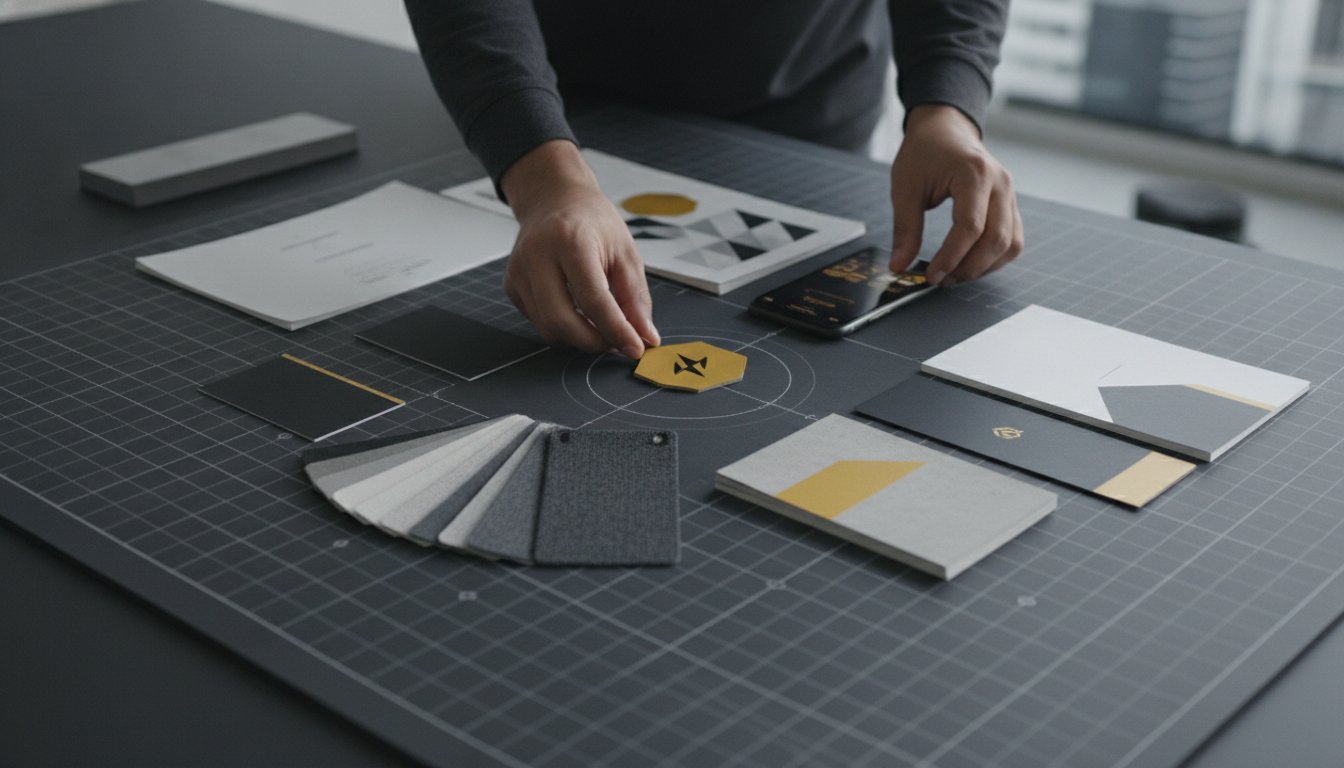
Printing is the mechanical process of applying ink to a substrate. Design is the intellectual and creative foundation that dictates how that ink should behave. You can find a basic definition of What is Print Design? online; however, the strategic application is where the real value lies. Professional designers provide "print-ready" files built with technical precision. These assets account for bleeds, slugs, and complex colour profiles. This technical rigour saves you significant money by eliminating production errors before the press starts running. Engaging a graphic designer in Ballarat ensures an expert oversees this transition. They act as a partner who bridges the gap between a visionary concept and a flawless physical result.
High-impact print assets are versatile. They serve different strategic goals depending on the touchpoint. Every piece should be a deliberate choice that moves the needle for your business. Common assets include:
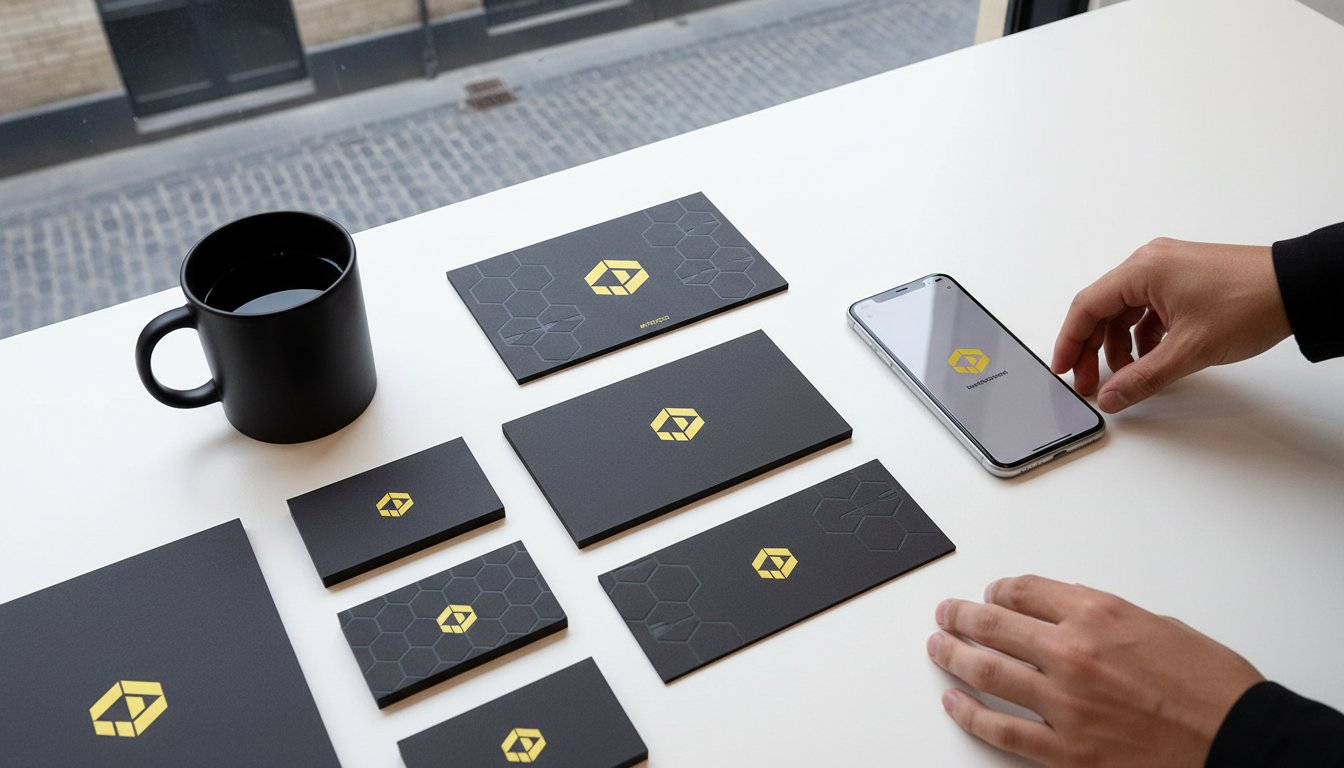
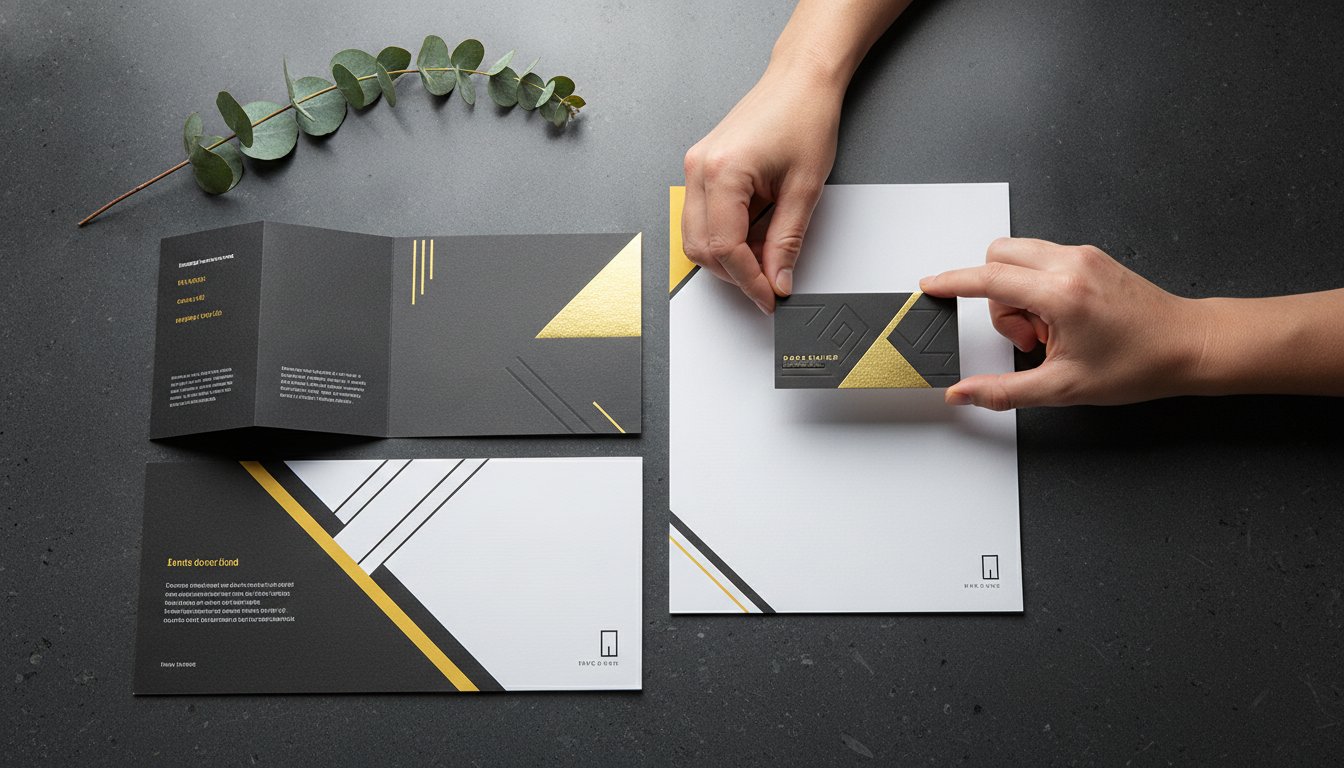
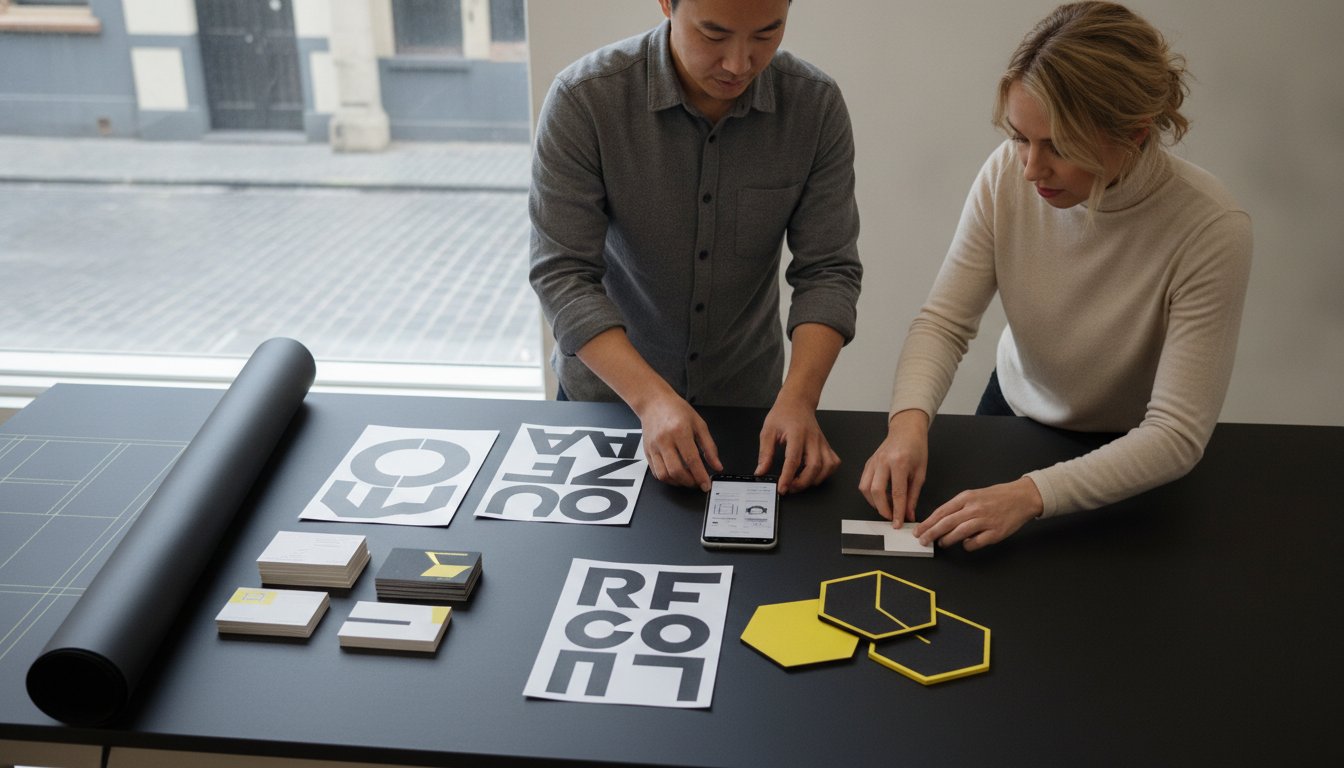
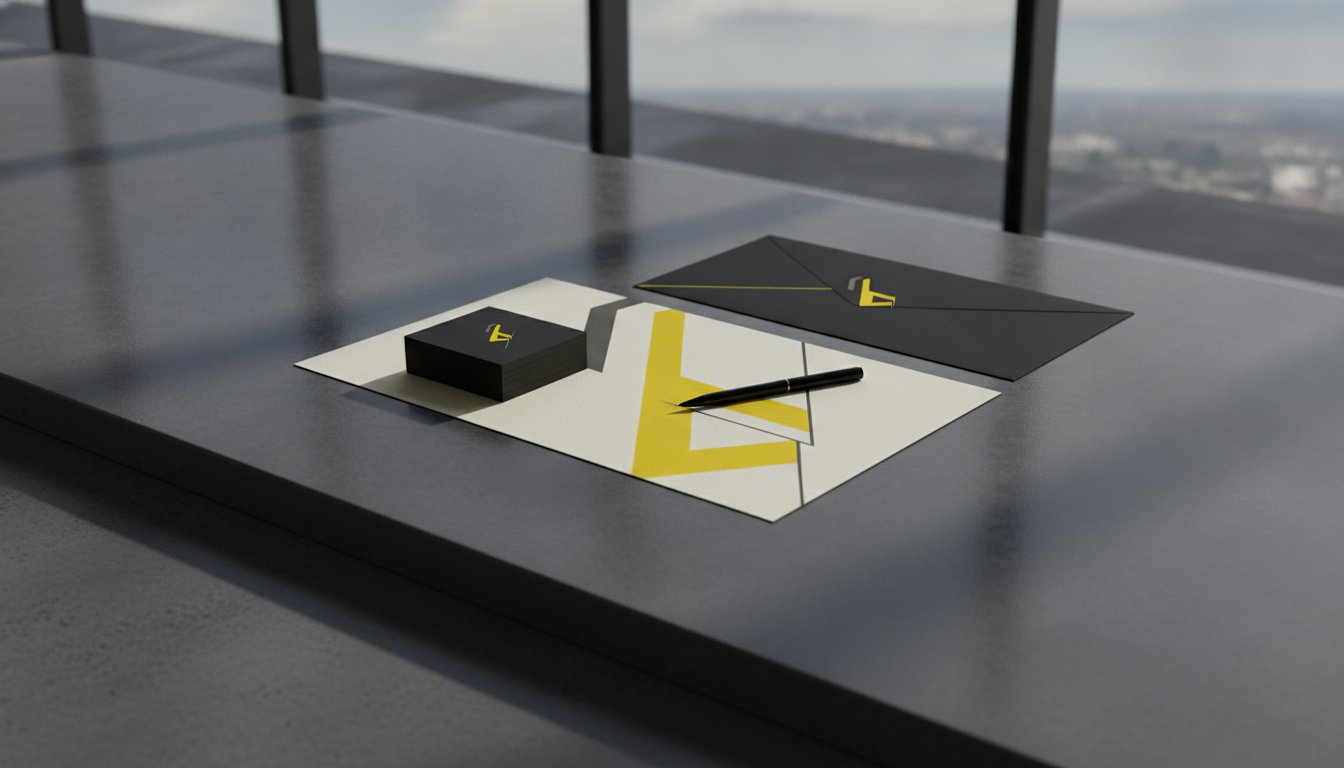
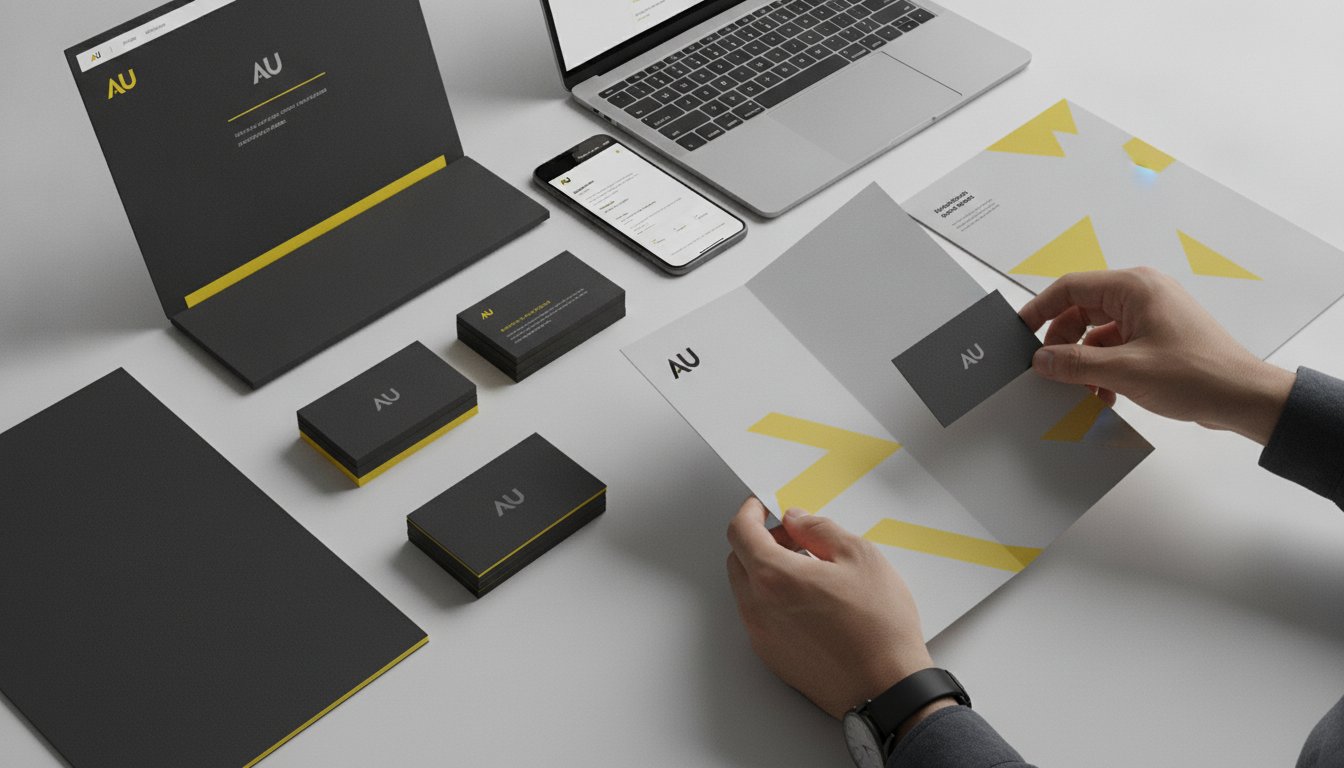
Business cards and letterheads that command attention through weight, texture, and refined typography.
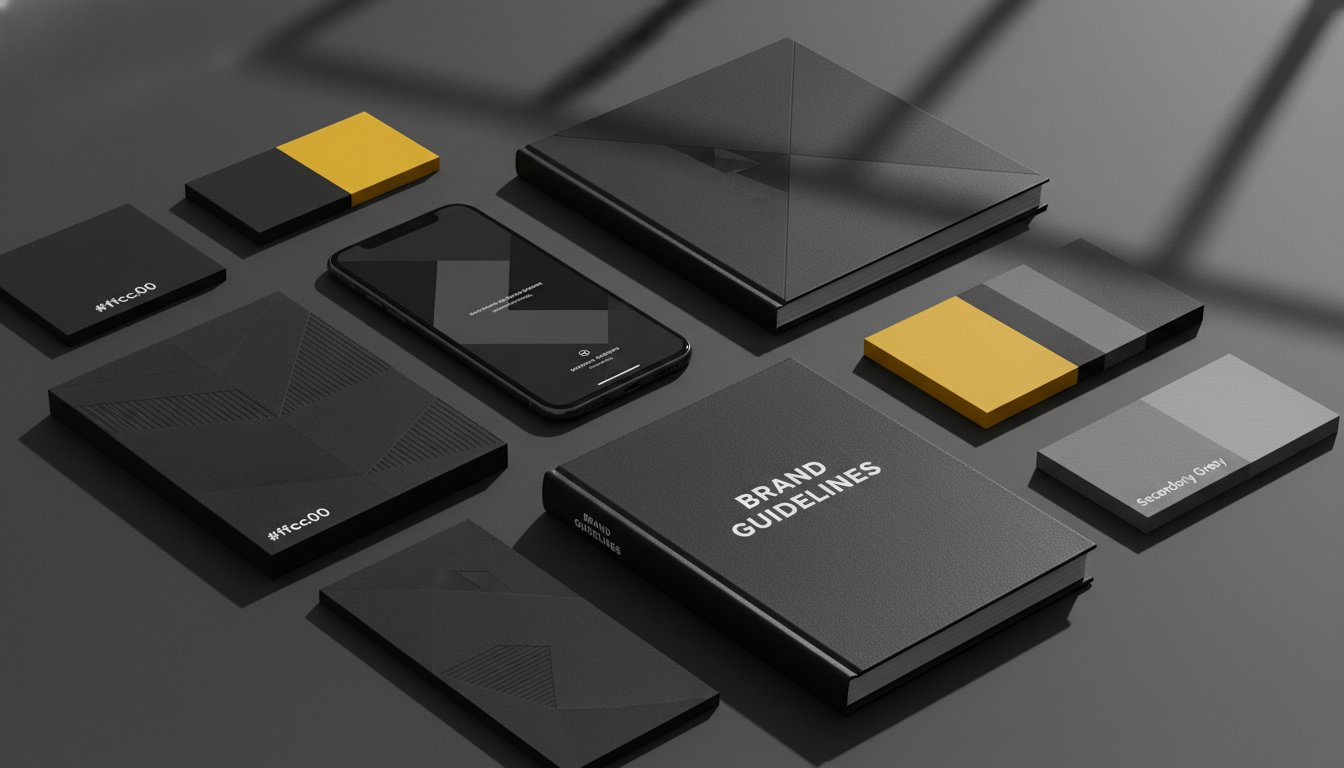
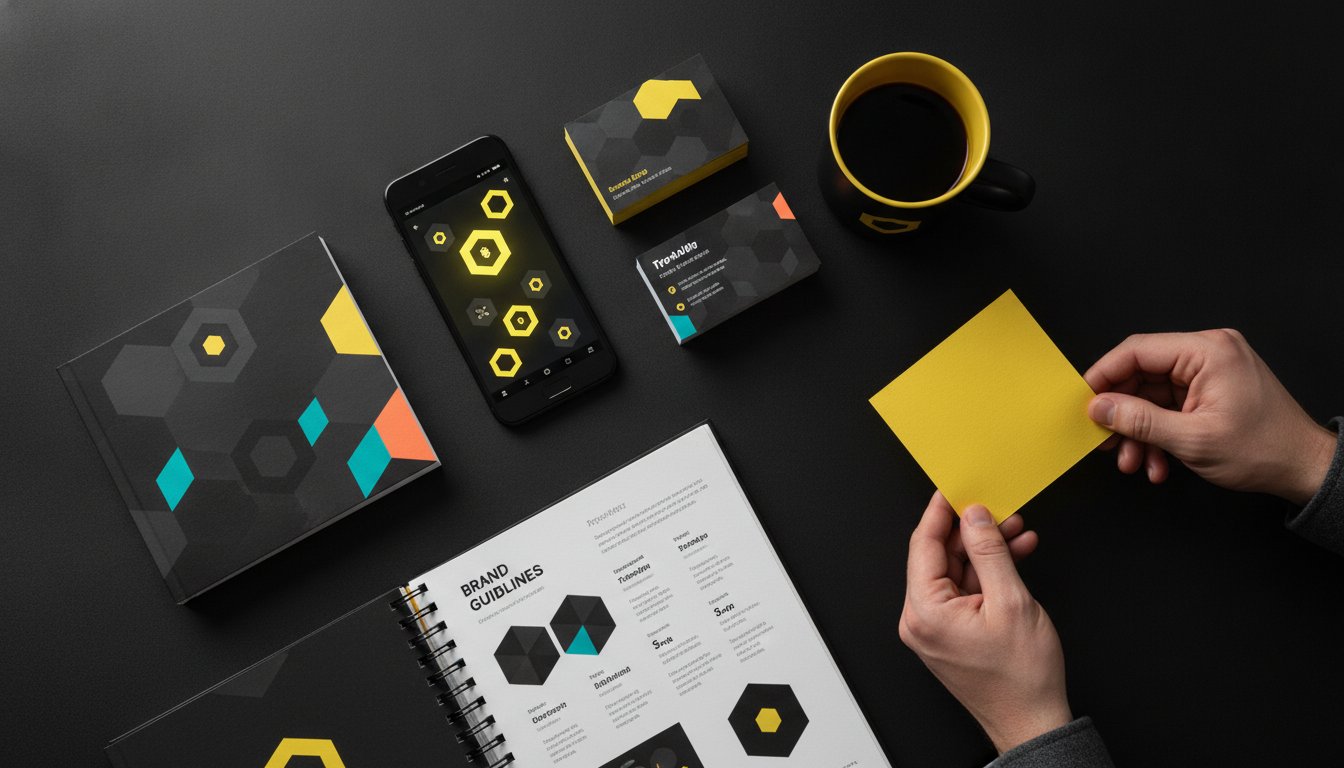
Complex documents that tell a compelling brand story while maintaining high legibility and professional structure.
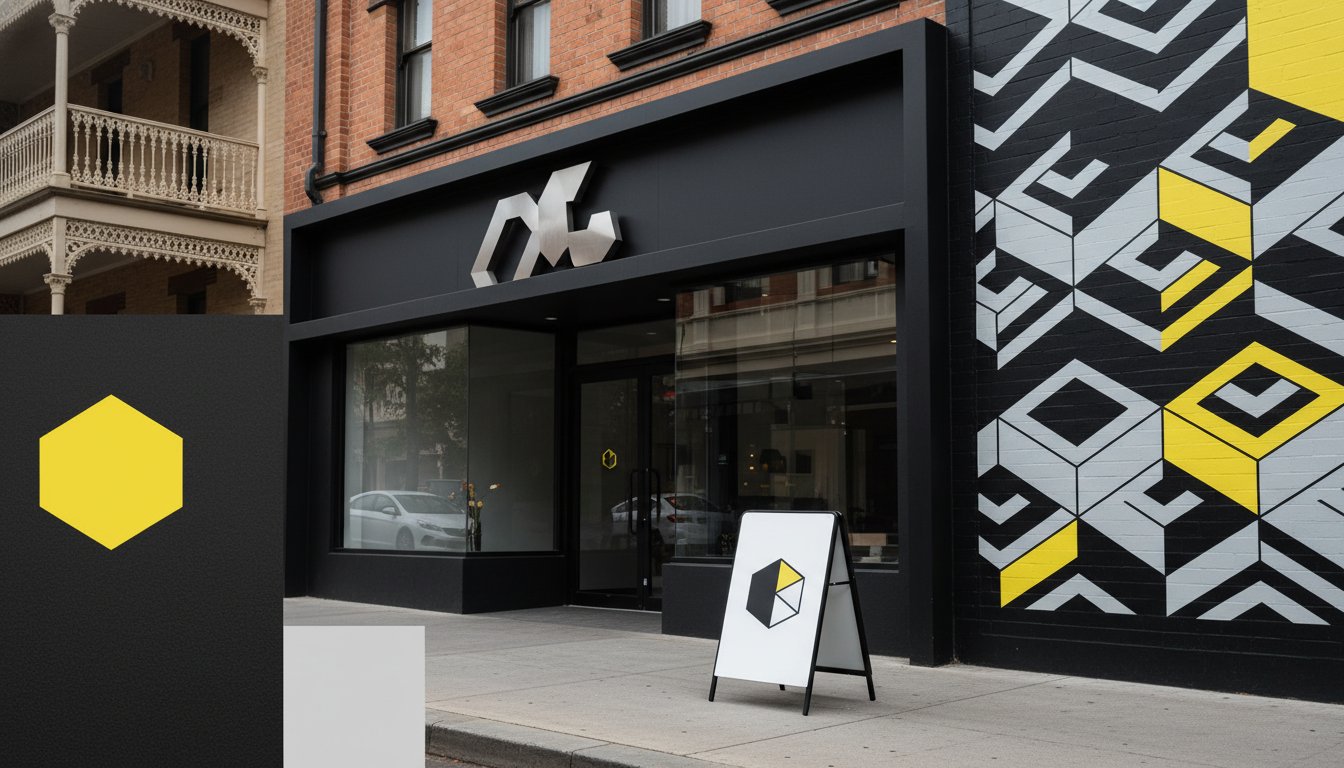
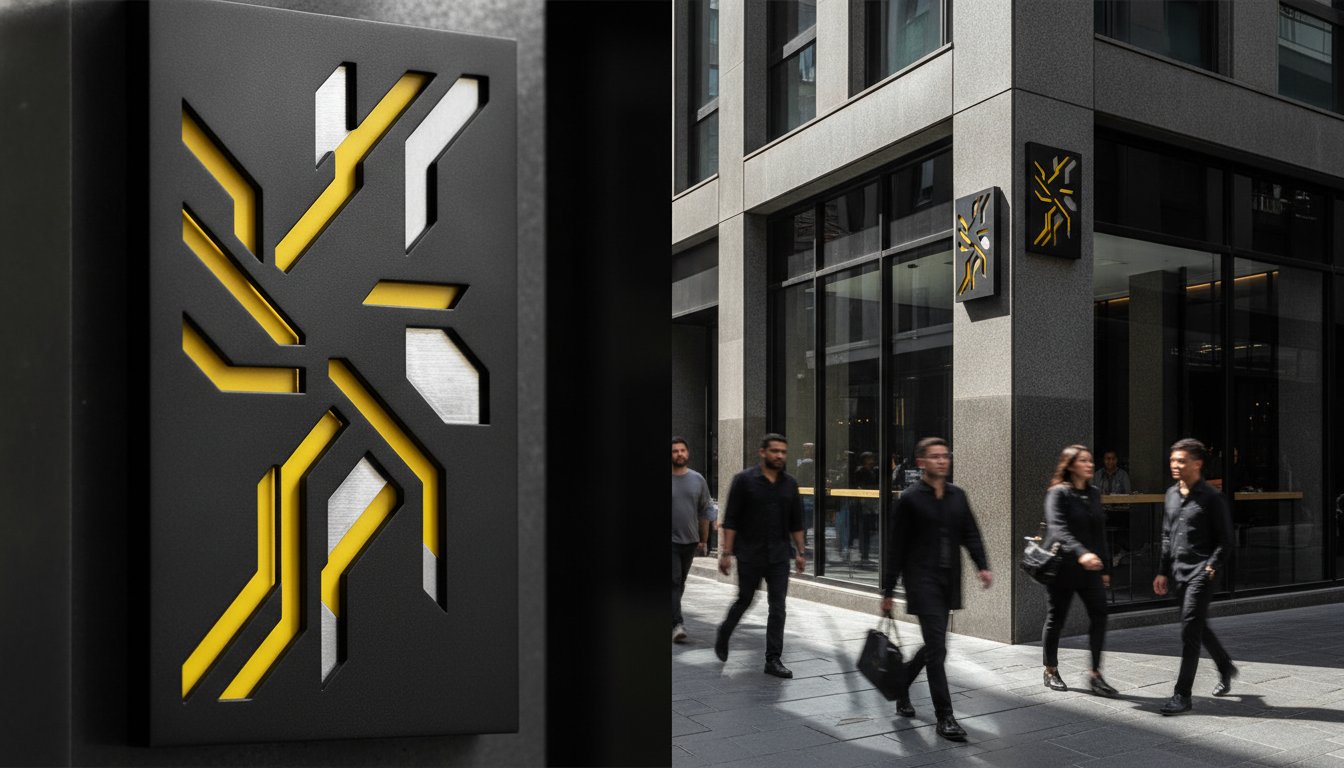
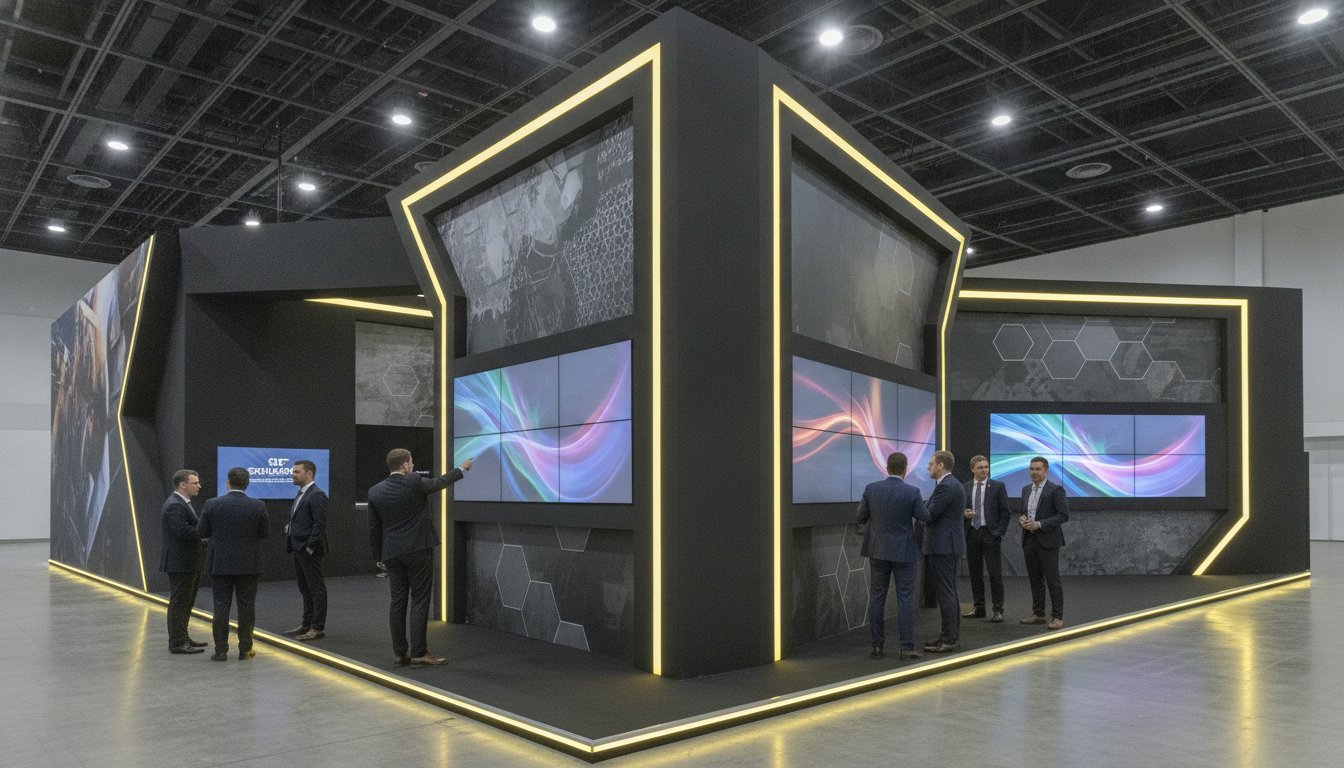
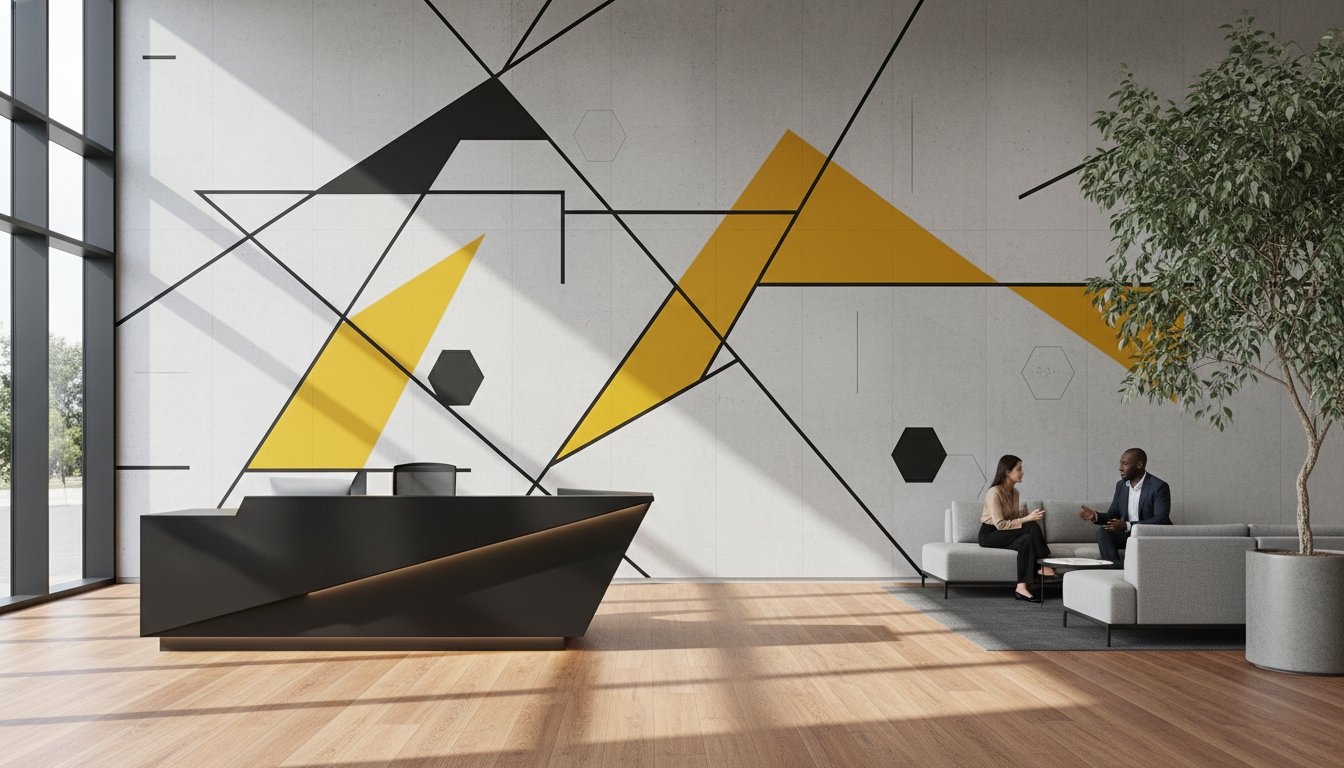
Large-scale graphics for Melbourne office spaces that transform a physical environment into an immersive brand experience.
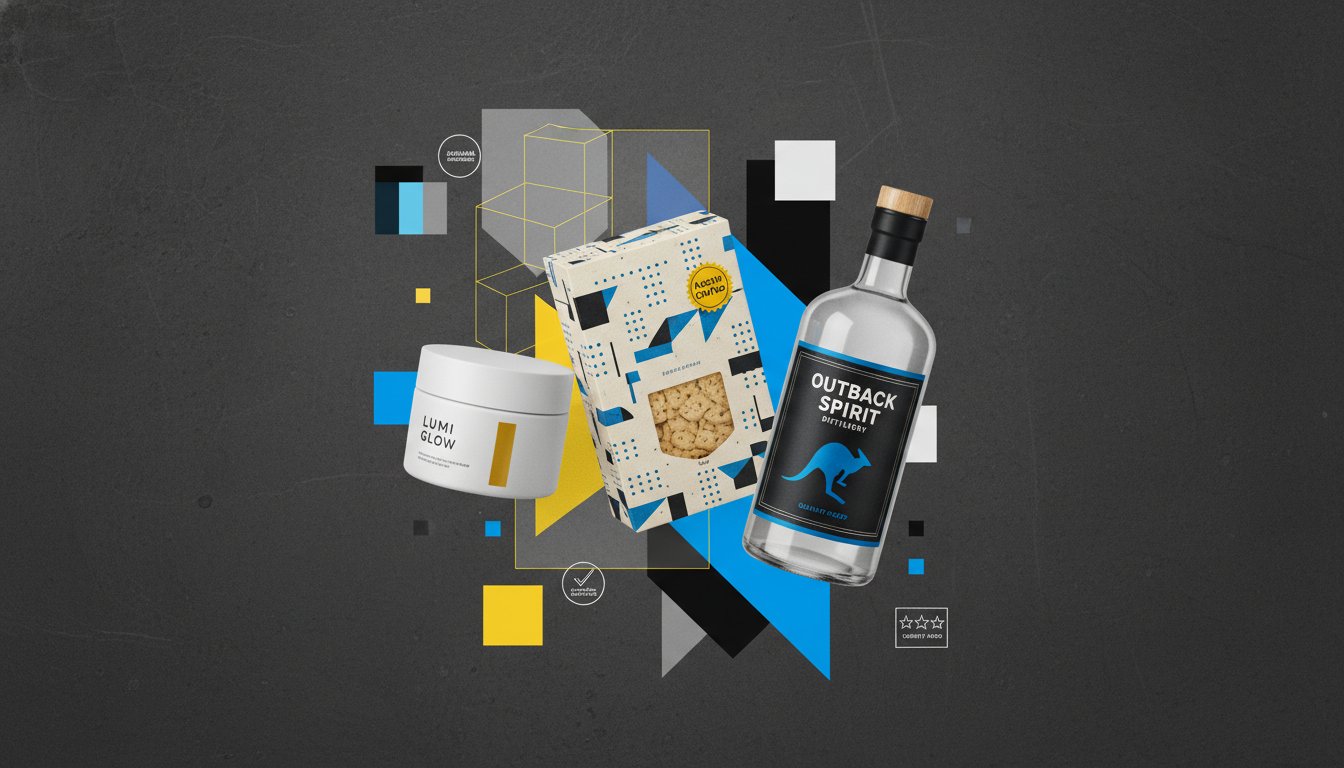
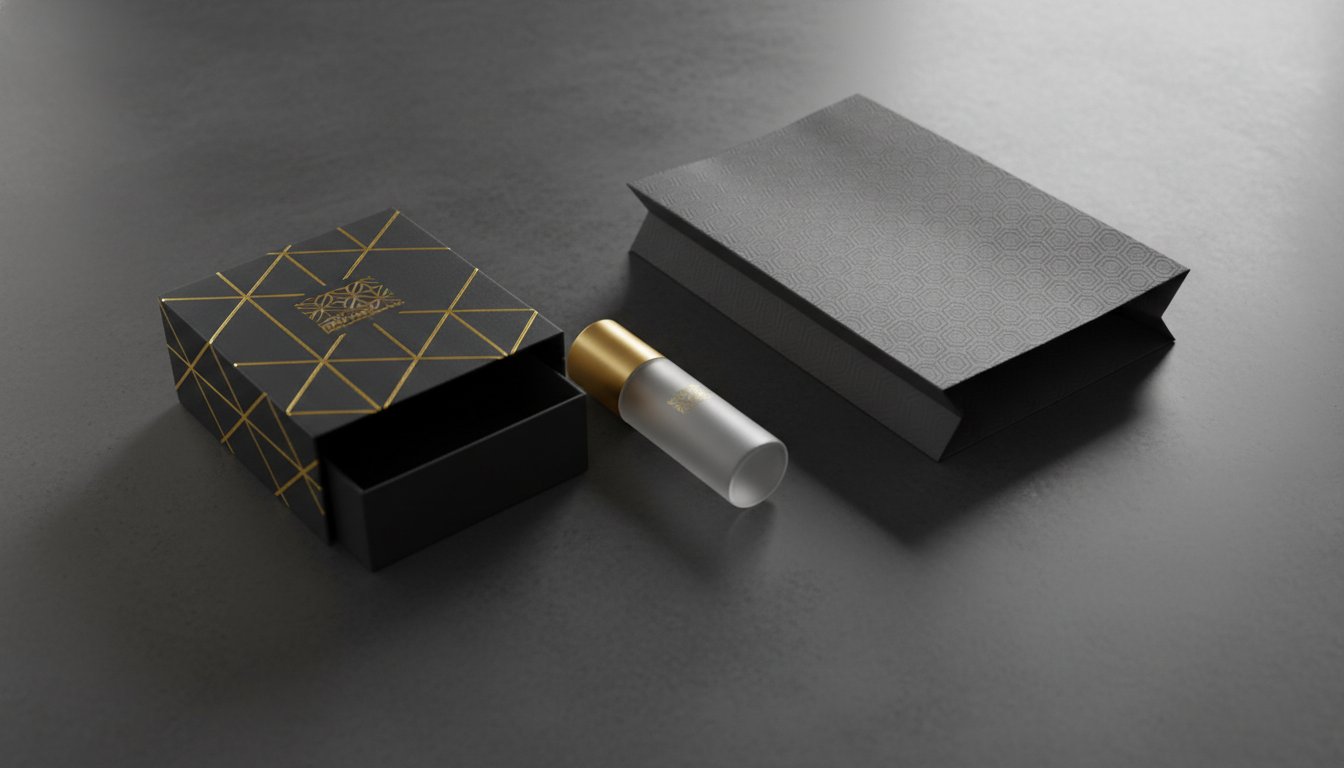
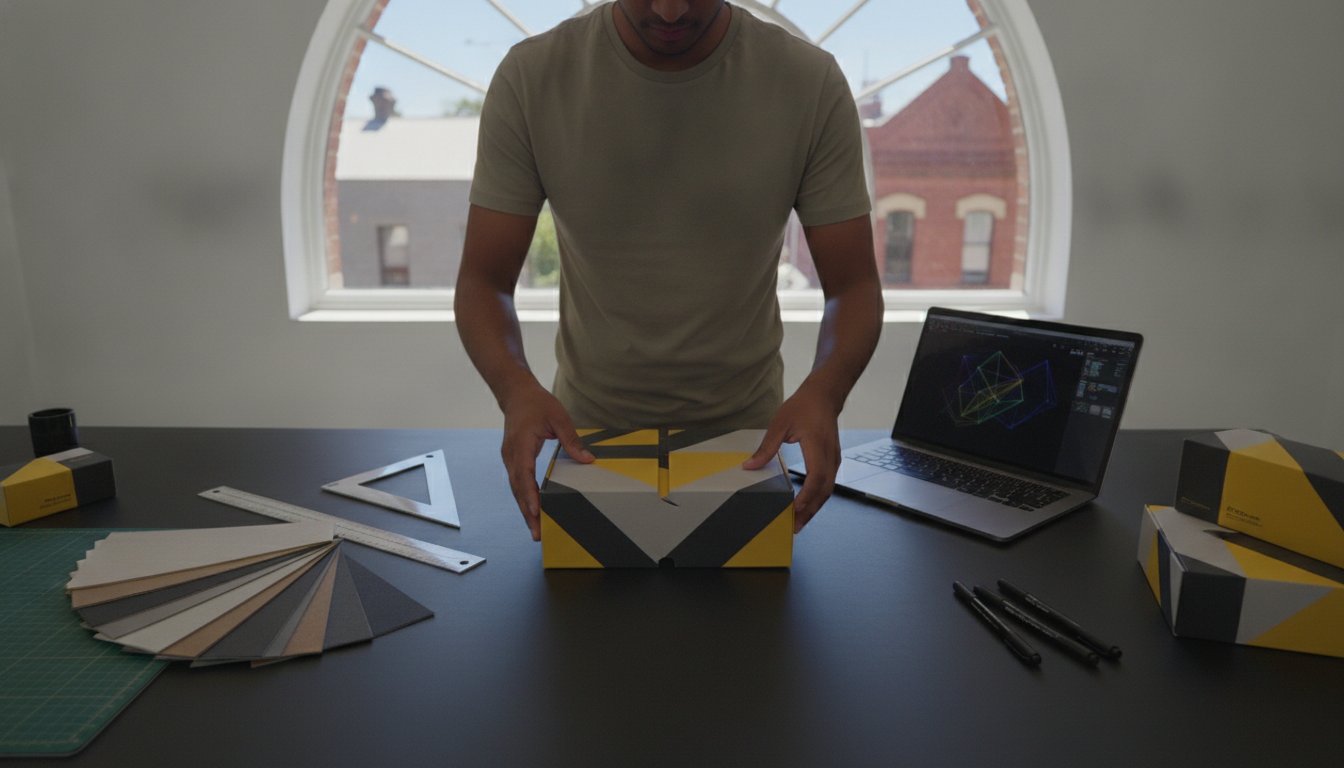
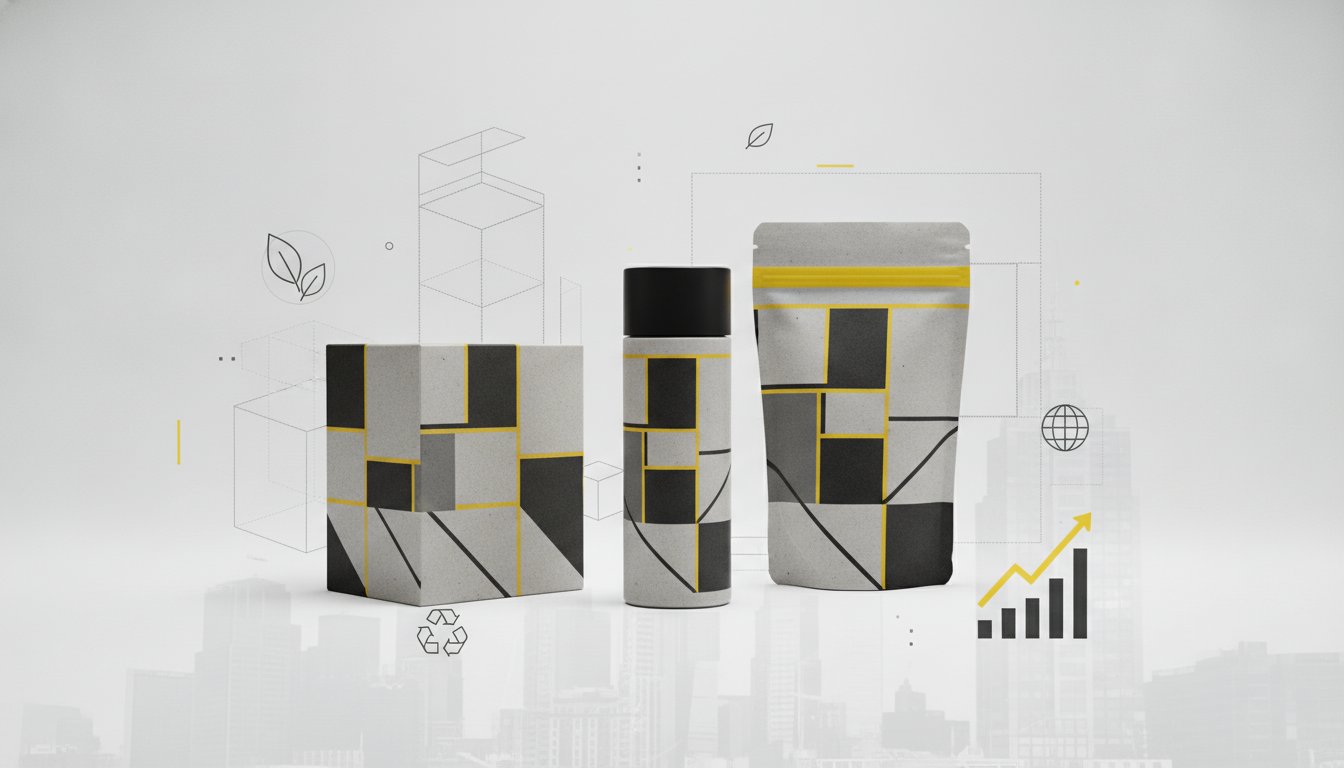
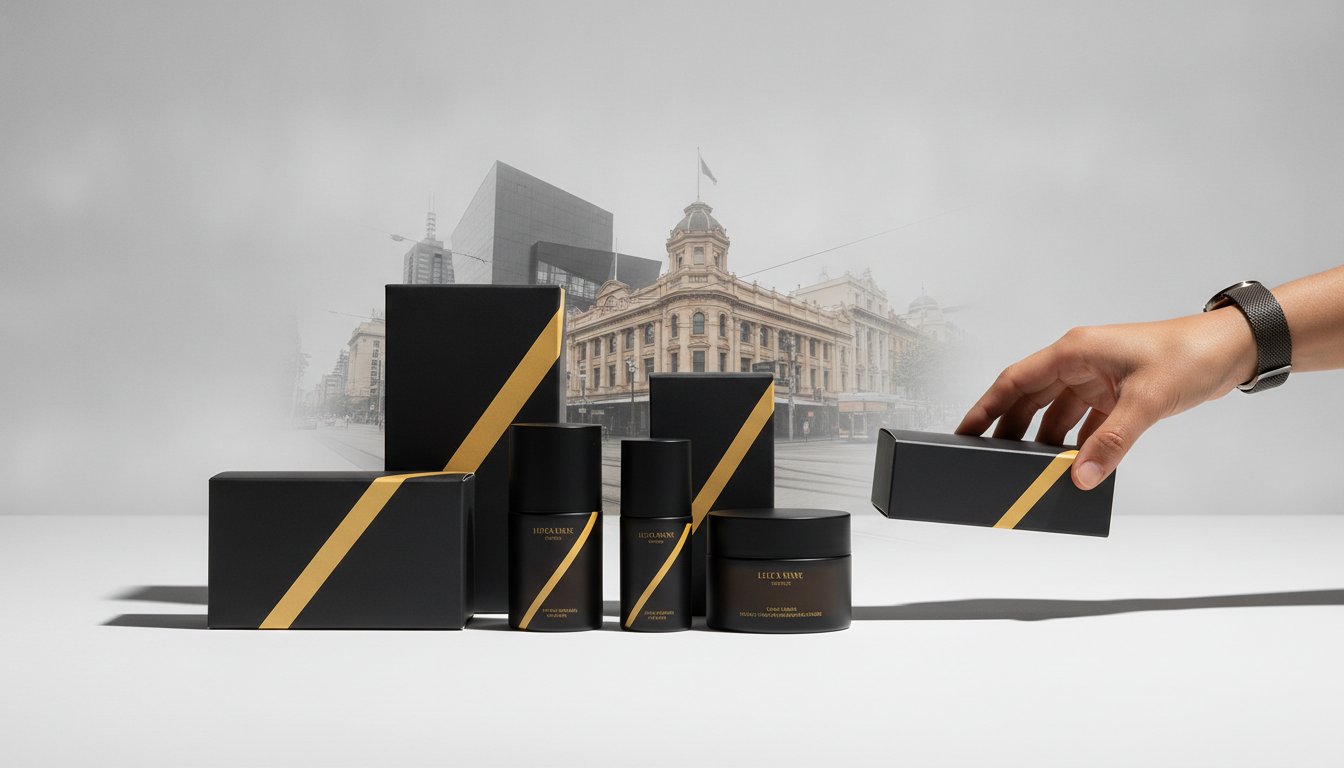
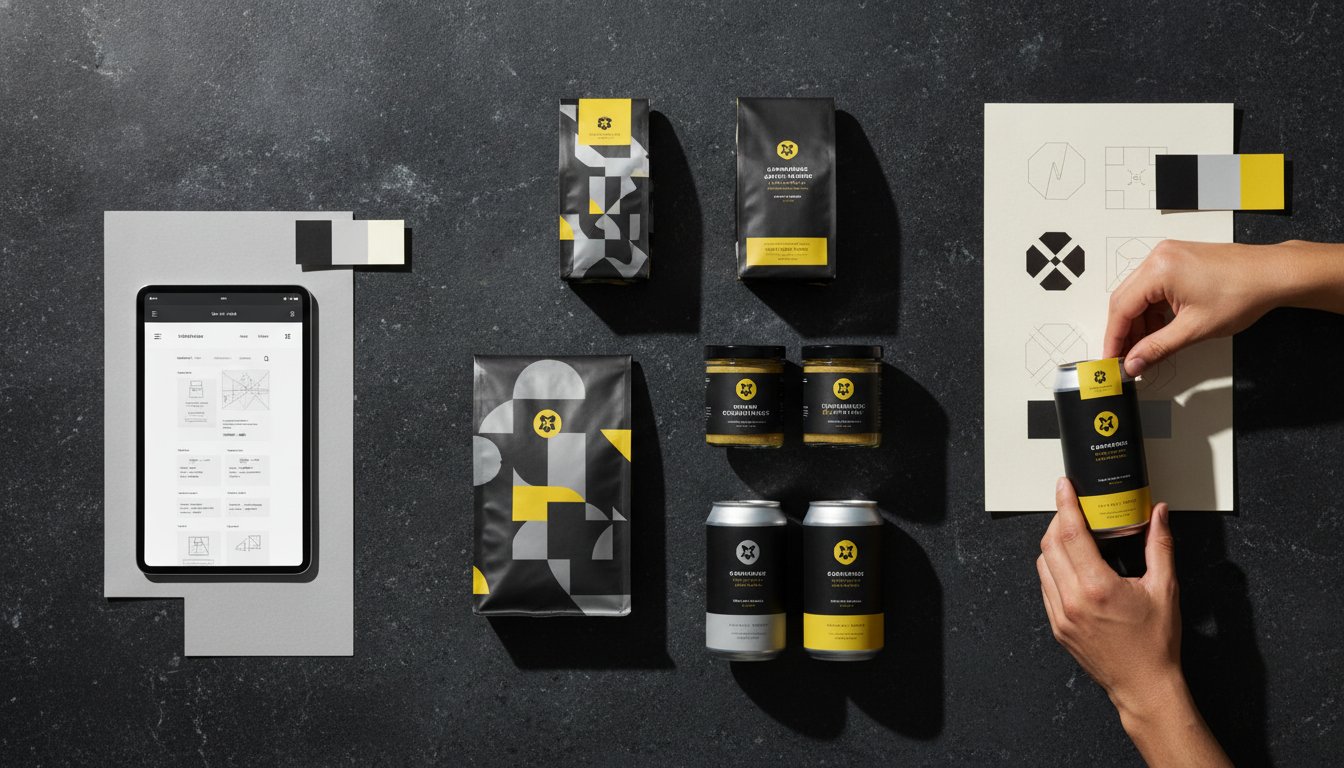
Bespoke boxes and labels that protect your product while justifying a premium price point.
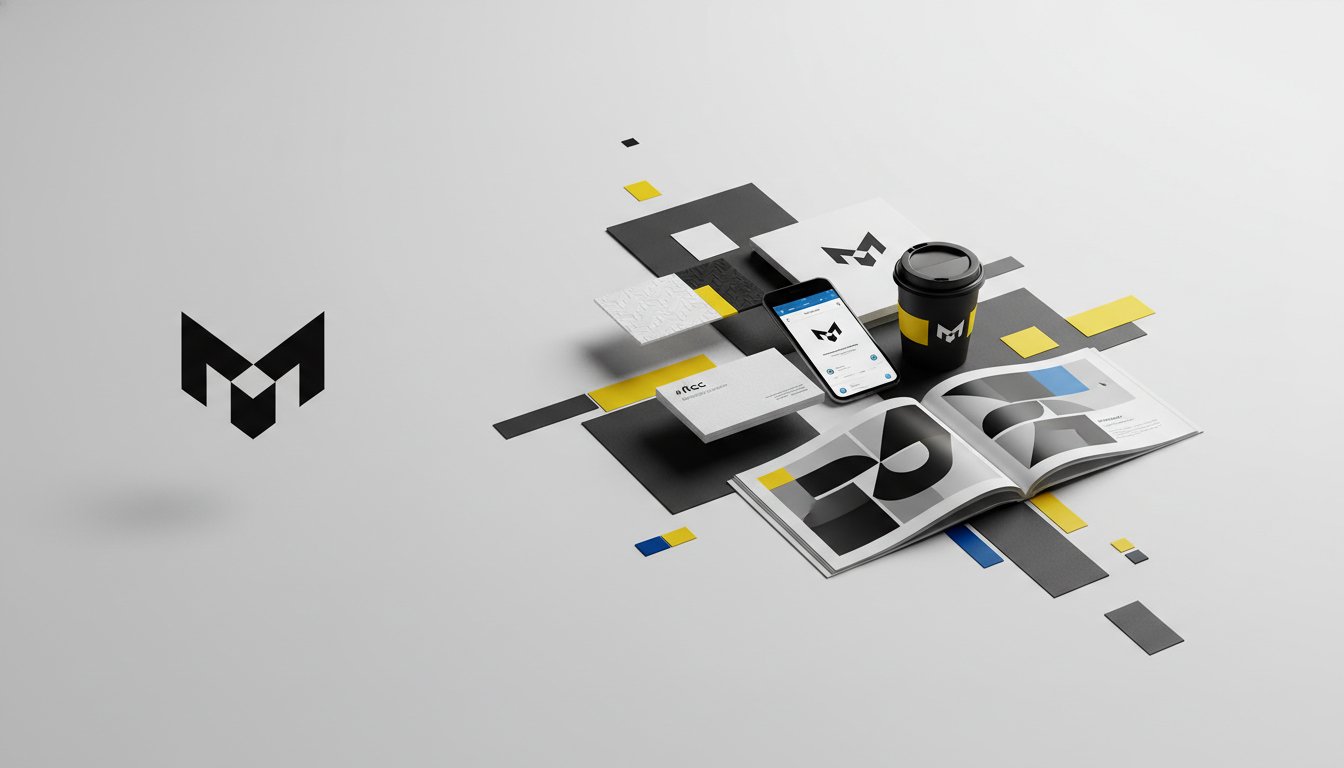
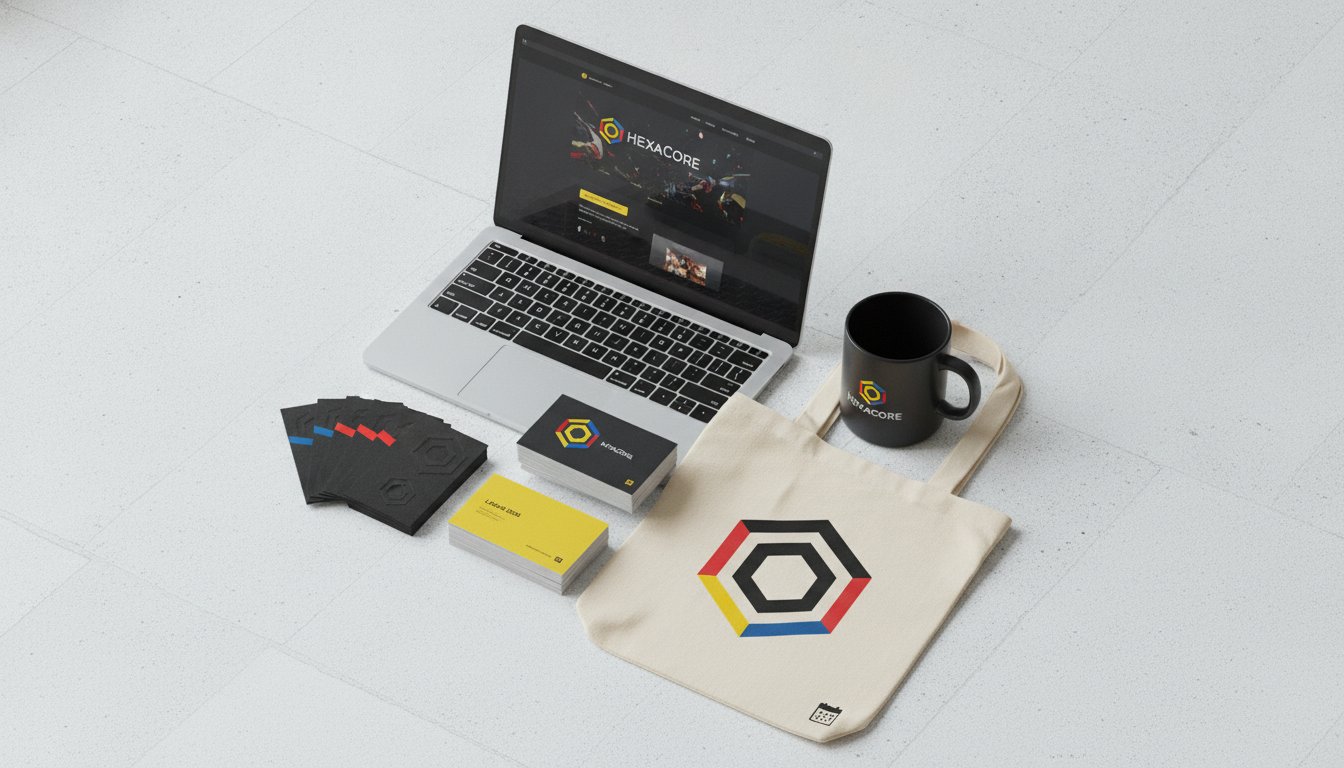
Strategic custom print design ensures these items work in harmony. It creates a cohesive presence that reinforces your brand's position at every opportunity. It isn't just about looking good. It's about performing well in the hands of your audience.
High-impact design is more than a visual exercise. It is a feat of engineering. When you move from digital interfaces to physical collateral, the rules of engagement change. Every element must be intentional. Every choice must serve a purpose. Successful custom print design relies on a delicate balance of technical precision and creative intuition. It is about creating a path of least resistance for your audience while leaving a lasting impression.
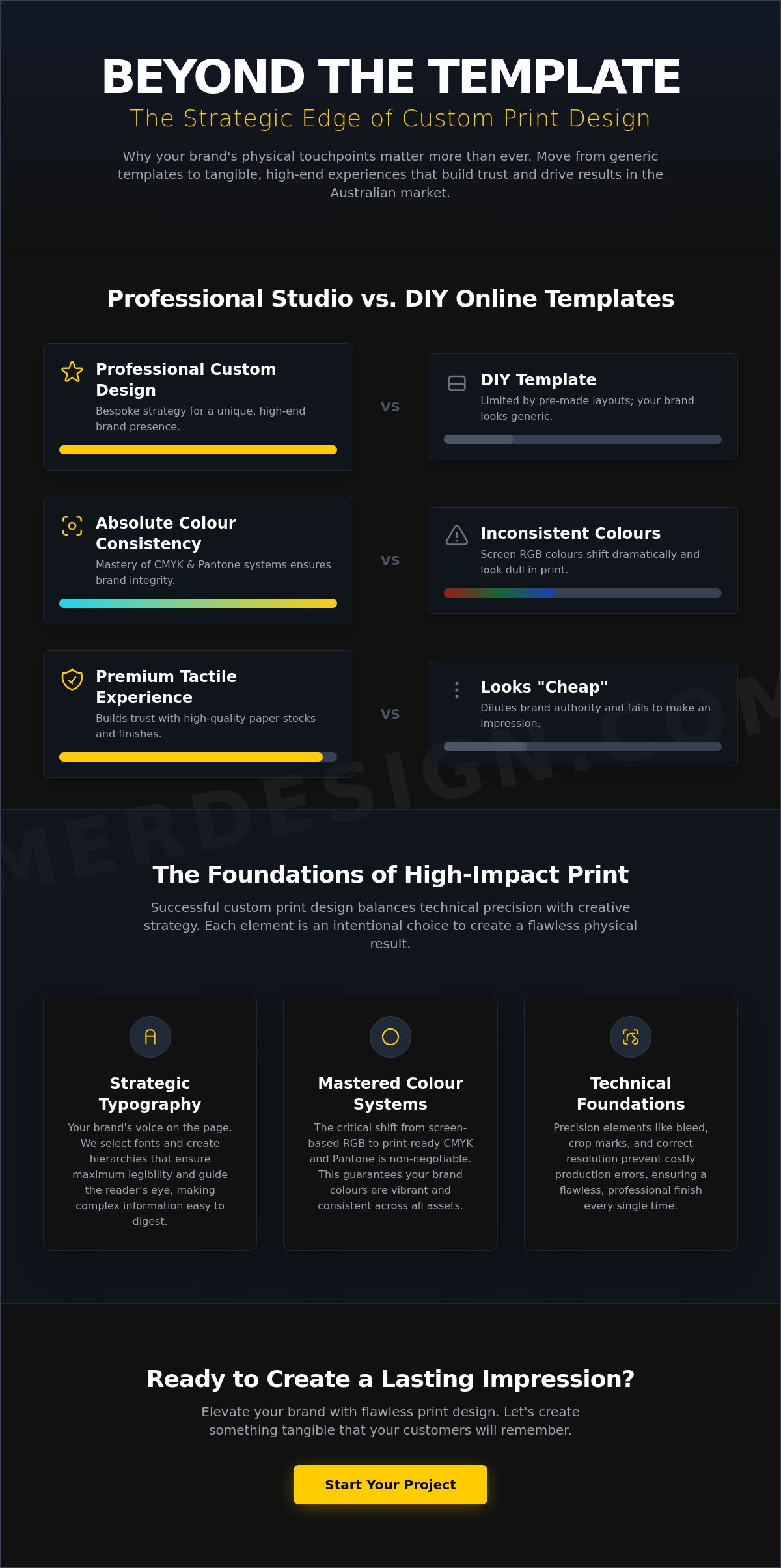
Typography is your brand’s voice on the page. In print, legibility is paramount. Unlike a screen, your audience cannot zoom in on a brochure. Selecting fonts that maintain their character under different ink loads is vital. We look for typefaces that offer distinct weights to create a clear hierarchy. This guides the reader’s eye through complex information, ensuring the most critical message is never missed. A well-structured layout uses white space as a tool, not just a gap, to provide visual breathing room and focus.
Colour consistency is the hallmark of a professional brand. The shift from RGB to CMYK is non-negotiable. Screens emit light; paper absorbs ink. This fundamental difference means colours can shift dramatically if not managed correctly. We often utilise the Pantone Matching System for corporate identities. It provides a universal language for colour, ensuring your brand remains consistent across every medium. If you are looking to refine your brand's physical presence, our team can help you organise a cohesive strategy that spans all touchpoints.
Precision is the difference between a premium product and a costly mistake. We design with bleed, slug, and crop marks to ensure a flawless finish during the trimming process. Resolution is equally critical. While 72 DPI works for web, the professional standard for high-quality printing remains 300 DPI. For fine details, 600 DPI is recommended. We favour vector assets over raster images. Vectors allow for infinite scaling without losing sharpness, which is essential for everything from business cards to large-scale signage.
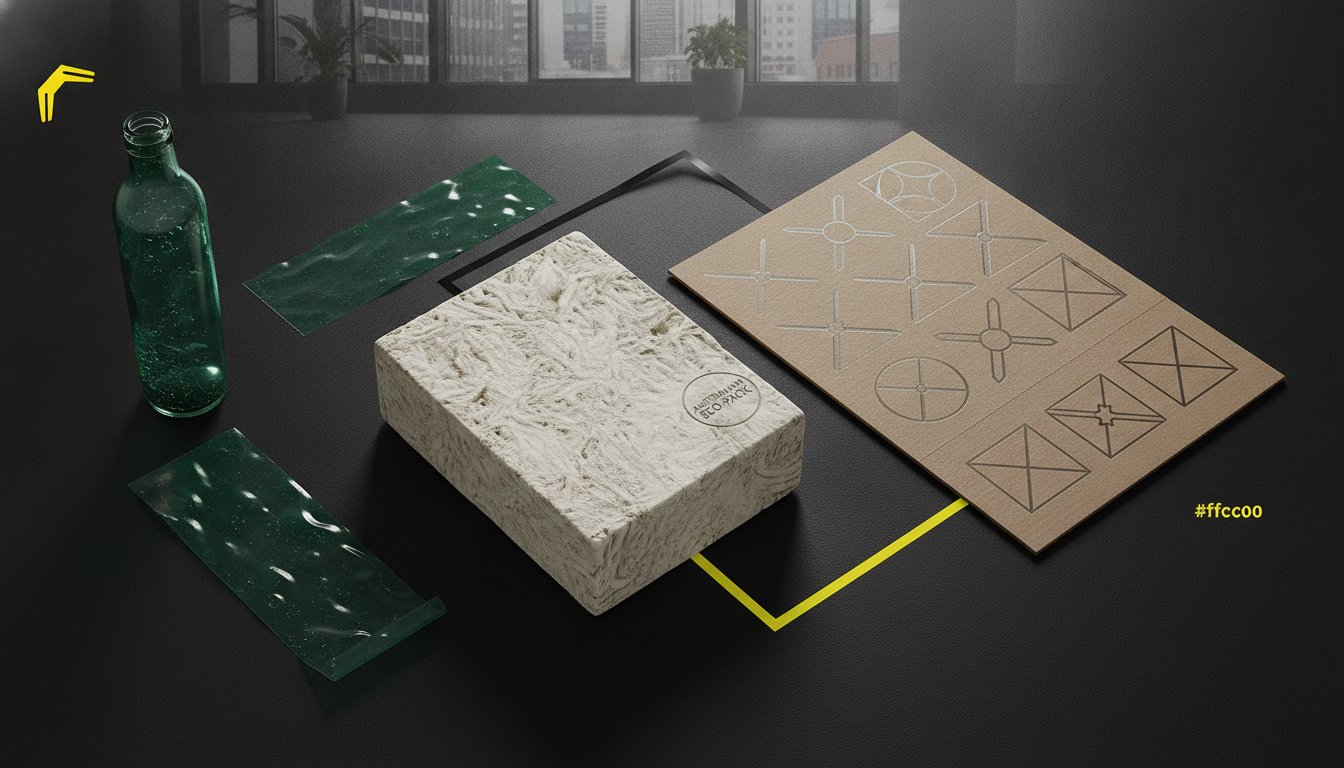
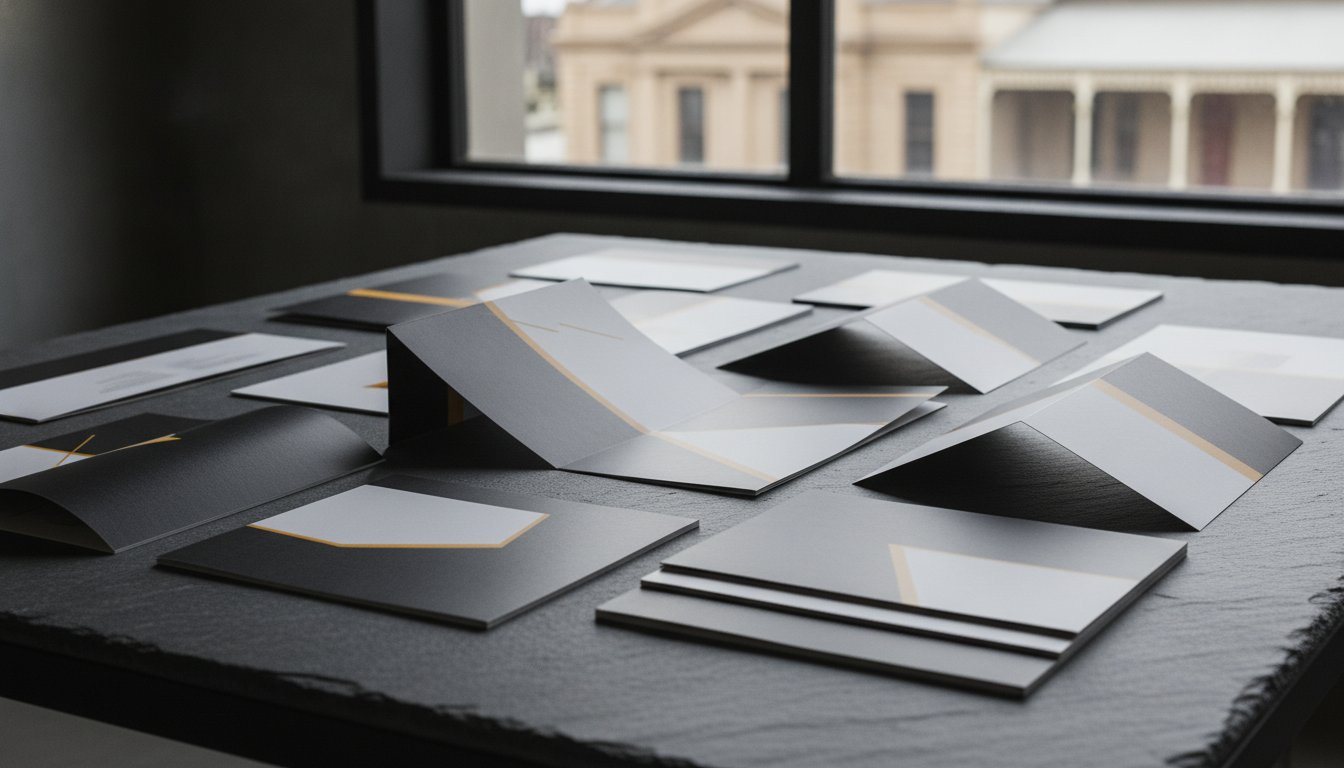
The "handfeel" of your collateral speaks before a single word is read. A heavy, textured stock conveys stability and heritage. A smooth, silk finish feels modern and accessible. Matte laminations offer a sophisticated, understated elegance, while gloss finishes make colours pop with high energy. For luxury brands, embossing or foil stamping adds a three-dimensional quality that demands attention. In 2026, sustainability is a standard expectation. We frequently source FSC-certified or recycled stocks that align with the values of the eco-conscious Australian consumer without compromising on the premium feel.
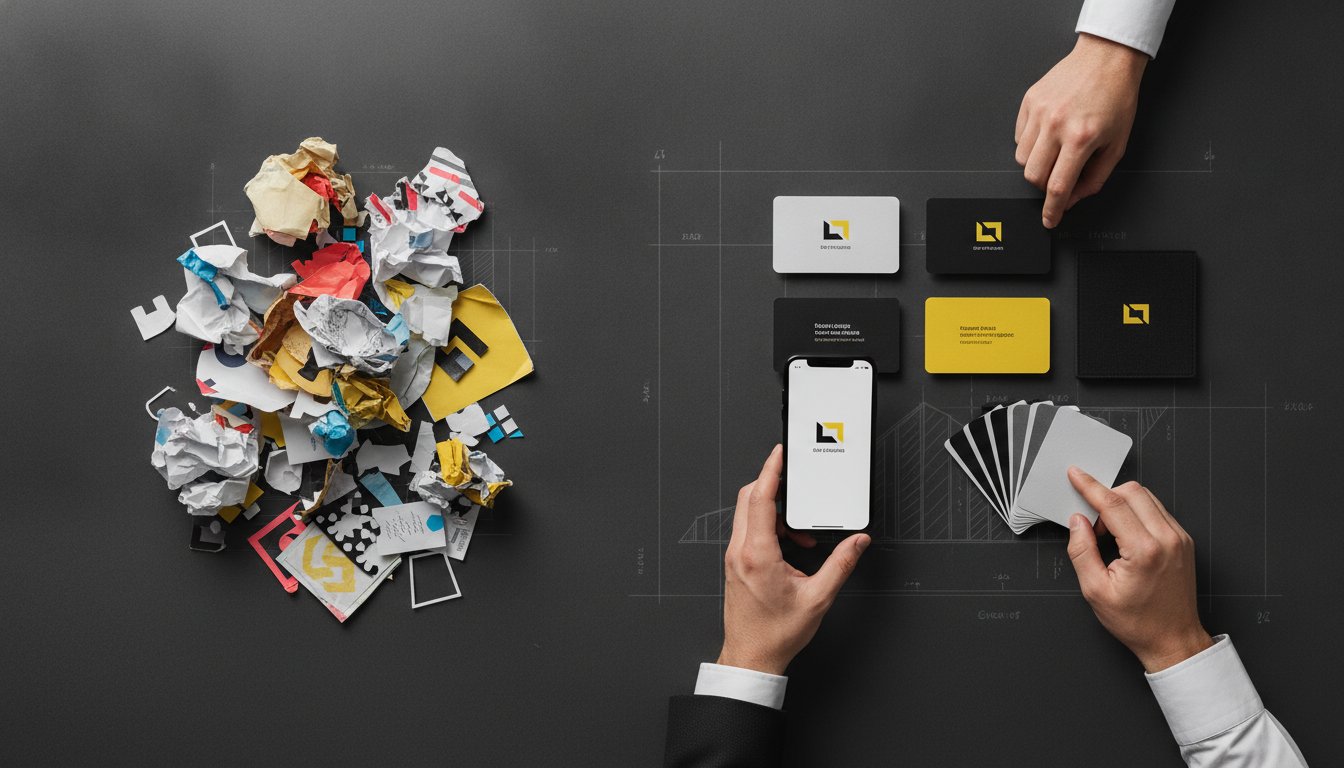
Choosing between a generic template and a professional studio isn't just a matter of budget. It's a choice between fitting in or standing out. DIY platforms offer speed. They promise "creation in minutes". However, they often deliver a generic result that lacks the soul of your brand. Custom print design from a professional studio is different. It starts with your strategy. It ends with a unique physical asset that no competitor can replicate. It is the difference between a placeholder and a powerful brand ambassador.
A template is a rigid box. You have to shrink your message to fit its constraints. A professional studio builds the design around your specific goals. We ask "why" before we decide "how". Does this brochure need to close a high-value sale or build initial brand awareness? This strategic alignment ensures your design solves a business problem. It doesn't just look "okay"; it performs. Bespoke design scales as you grow, providing a flexible foundation that templates simply cannot match.
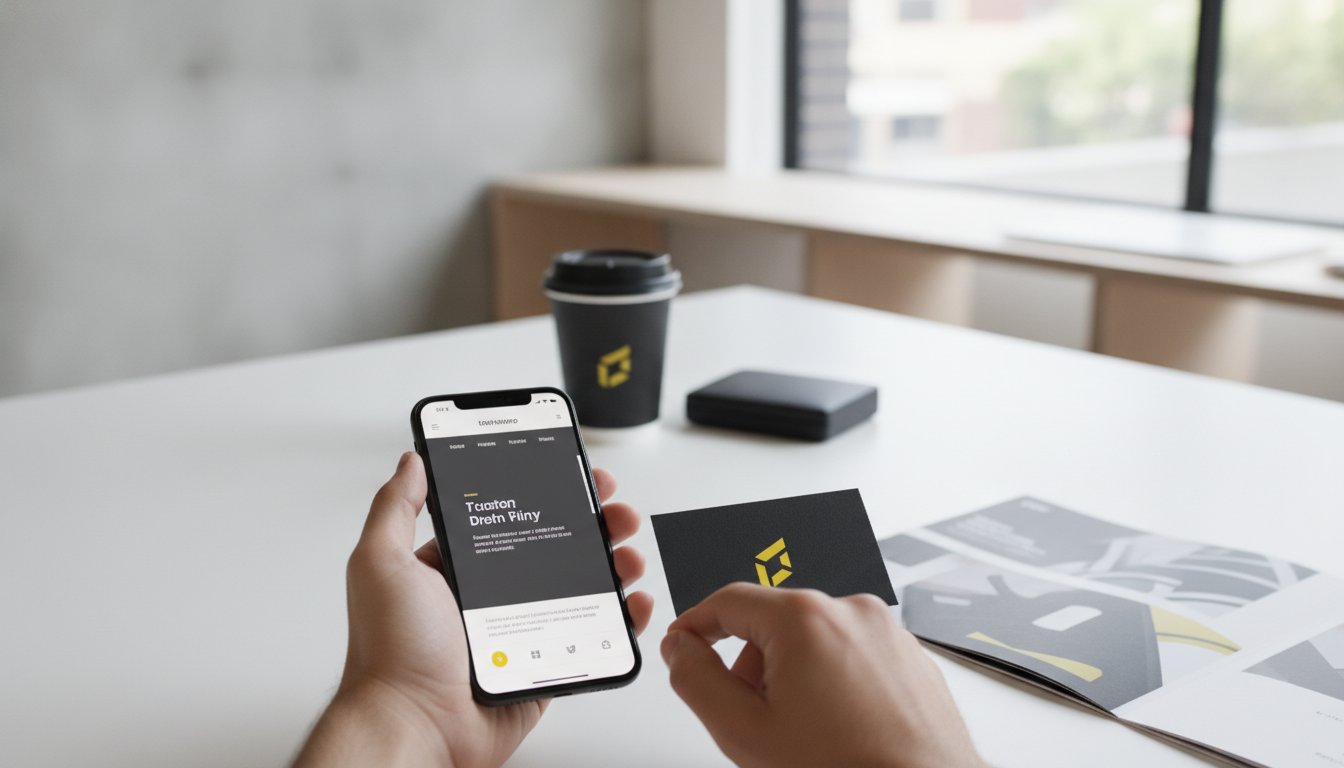
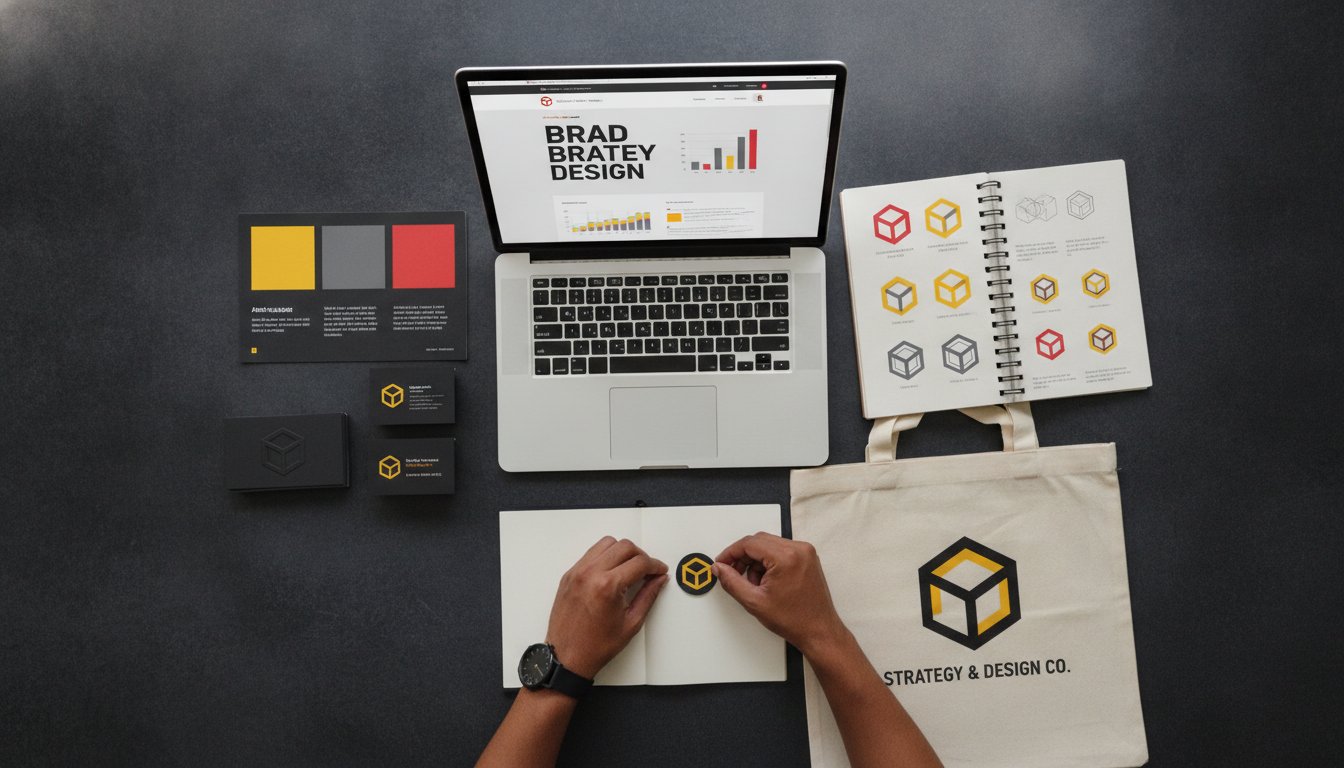
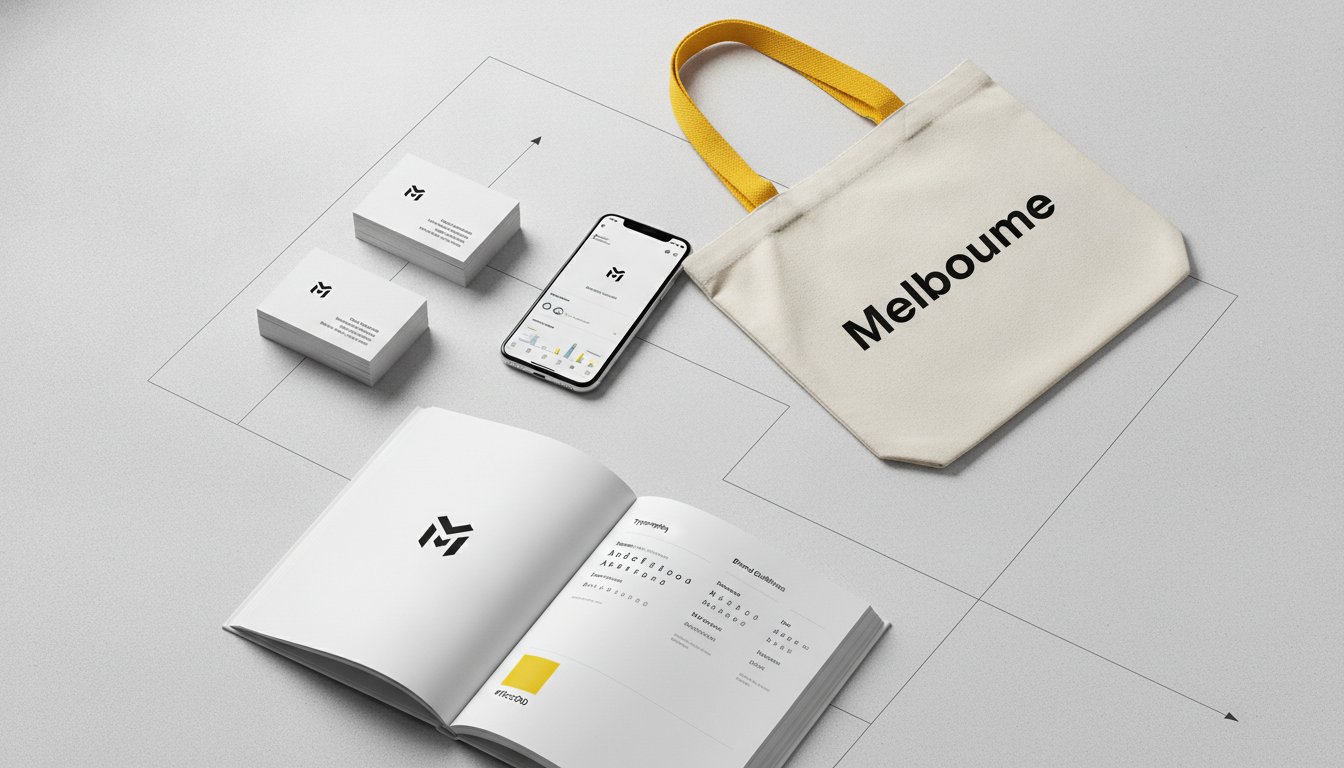
Consistency is the glue that holds a brand together. Your physical touchpoints must mirror your digital identity perfectly. There should be no friction or visual "jump" when a client moves from your custom website development to a printed proposal. Professional design ensures your typography, colour palettes, and brand voice remain identical across every touchpoint. This level of cohesion builds the trust required to justify premium pricing.
DIY design isn't actually cheap. You pay in time. Hours spent wrestling with limited online tools are hours stolen from your core business activities. There is also a significant reputational risk. If you use a popular template, you risk looking exactly like your competitors. This "sameness" dilutes your authority in the market. Finally, production waste is a constant threat. If a DIY file fails technical checks for bleed or resolution, the cost of re-printing quickly erases any initial savings.
Certain milestones demand a higher standard of execution. If you are rebranding or launching a high-stakes product line, templates are a liability. You need marketing collateral that can withstand the scrutiny of national distribution. Whenever your brand needs to communicate "premium" or "bespoke" values, a professional partner is essential. We help you bridge the gap between a standard business and a market leader.
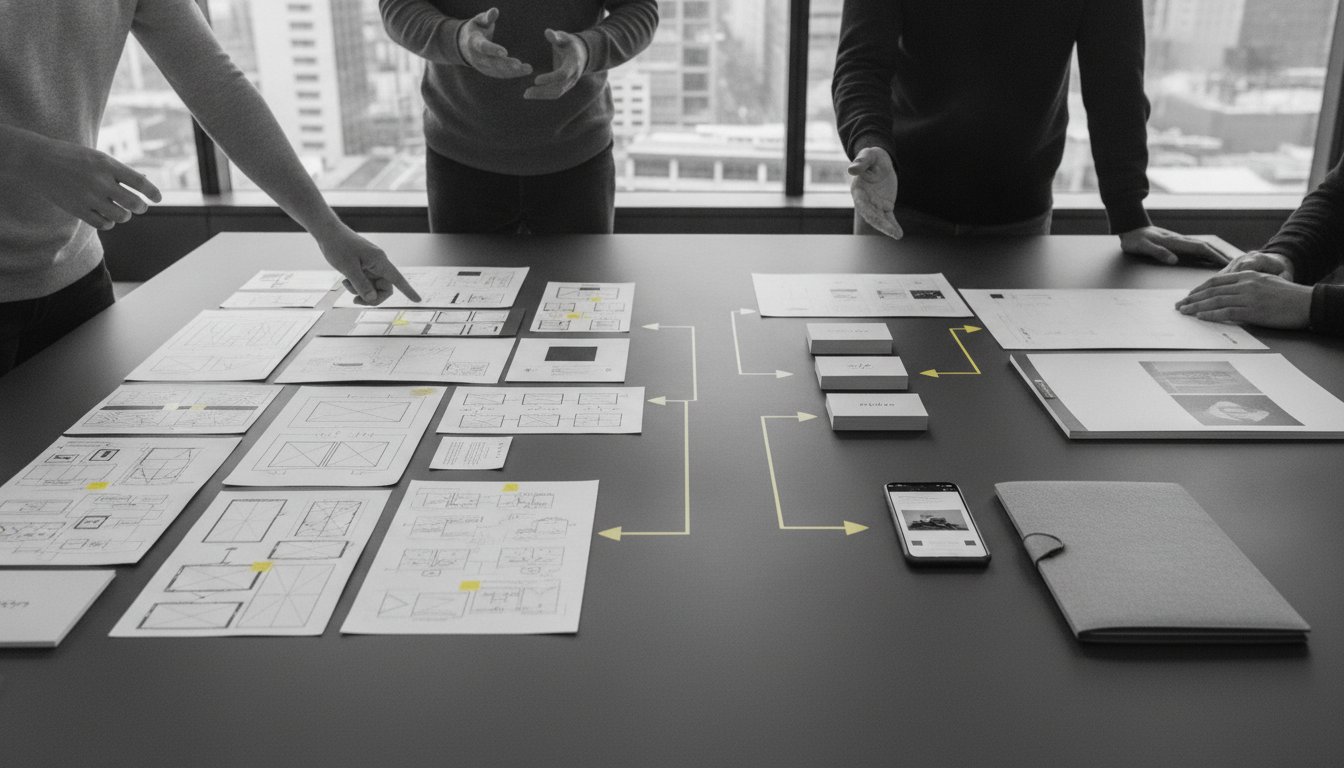
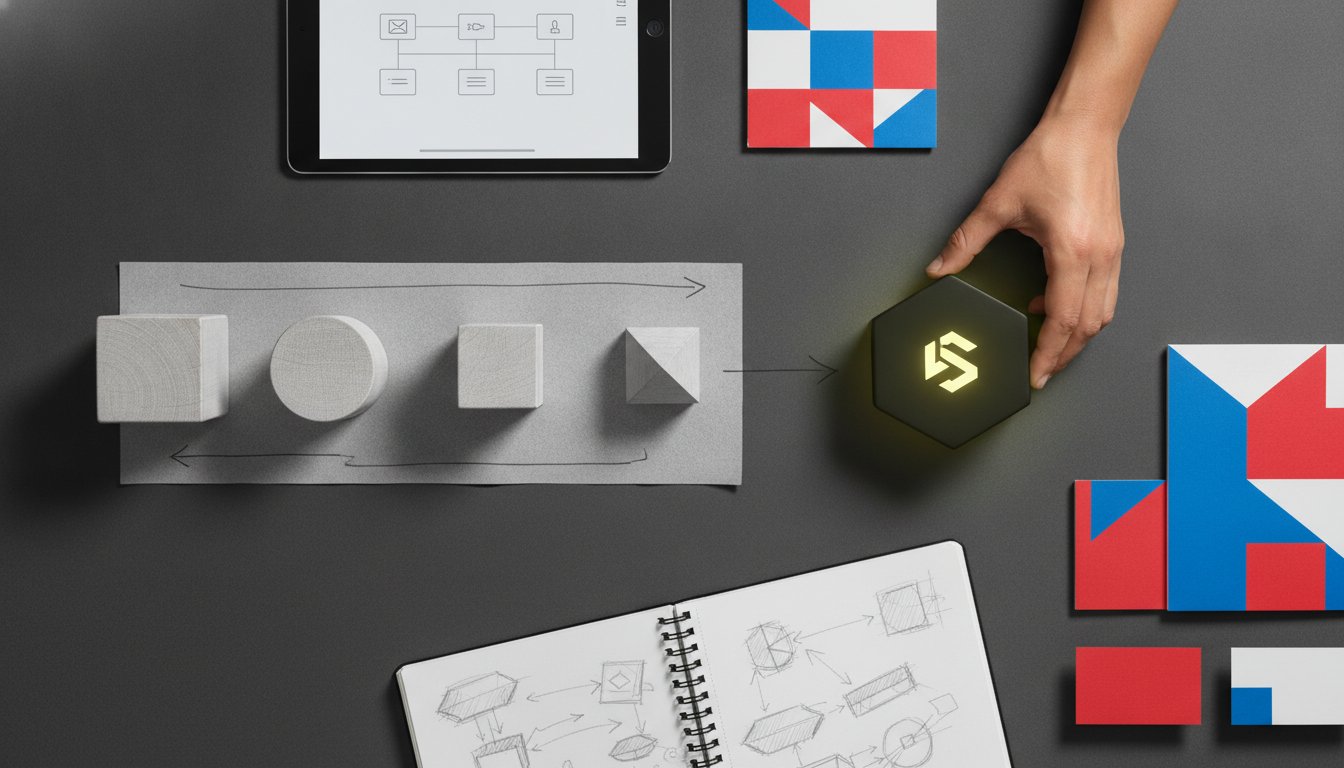
Successful print isn't an accident. It's a process. Managing a high-end project requires more than a creative eye. It demands a methodical approach. You need to move from a high-level concept to a precise physical result without losing brand integrity. A structured workflow ensures your custom print design remains strategic and cost-effective. It turns a complex task into a streamlined journey toward brand elevation. It bridges the gap between a great idea and a flawless physical reality.
Is this piece meant to educate, inspire, or close a deal? Identify exactly who will hold it and where they will be.
Outline the tone, budget, and physical constraints before the first pixel is moved. Clarity here prevents "creative drift" later.
Focus on how the layout supports the messaging hierarchy. The eye should move naturally toward your primary call-to-action.
Choose paper weights and textures that complement the visual design. A great design on the wrong paper fails to resonate.
Finalise technical files and oversee the relationship with the printer to ensure the final run matches the proof perfectly.
A great brief is a roadmap. It keeps the project on track and ensures every choice is grounded in strategy. Start by answering the essential questions. What is the single most important message? What are the non-negotiable brand elements? Providing constructive feedback is equally vital. Focus on the strategic outcome rather than subjective preferences. Be realistic about timelines. High-end production often requires extra time for specialty finishes like die-cutting, embossing, or spot UV. Rushing the process often leads to compromises you’ll regret when the boxes arrive.
Local expertise is a significant advantage. We maintain strong relationships with print partners across Melbourne and Ballarat. This allows us to manage the entire "print management" phase on your behalf. We handle the technical jargon. We verify proofs to ensure colour accuracy before the full run begins. This local oversight reduces the risk of shipping delays and production errors. If you are ready to start your next project, you can contact our team to discuss your bespoke requirements. Local relationships ensure your project benefits from the latest sustainable stocks and high-end finishes available in the Australian market.
Experience defines the difference between a project that looks good and one that performs. We've spent over 20 years refining the art of custom print design for high-end Australian brands. Our studio doesn't just execute tasks. We champion your goals. We believe in the transformative potential of collaboration. This means we don't just design; we strategise. Every asset we create is a deliberate step toward your business growth. We bridge the gap between your current state and a visionary future.
Our studio's personality is built on a sophisticated blend of professional confidence and creative warmth. We act as a creative catalyst for our clients. You aren't just another project on a list. You're a partner. This partner-led experience ensures that the technical aspects of the work never overshadow the human connection. We listen. We understand. Then, we build. This intentionality ensures that every piece of collateral feels both grounded and aspirational.
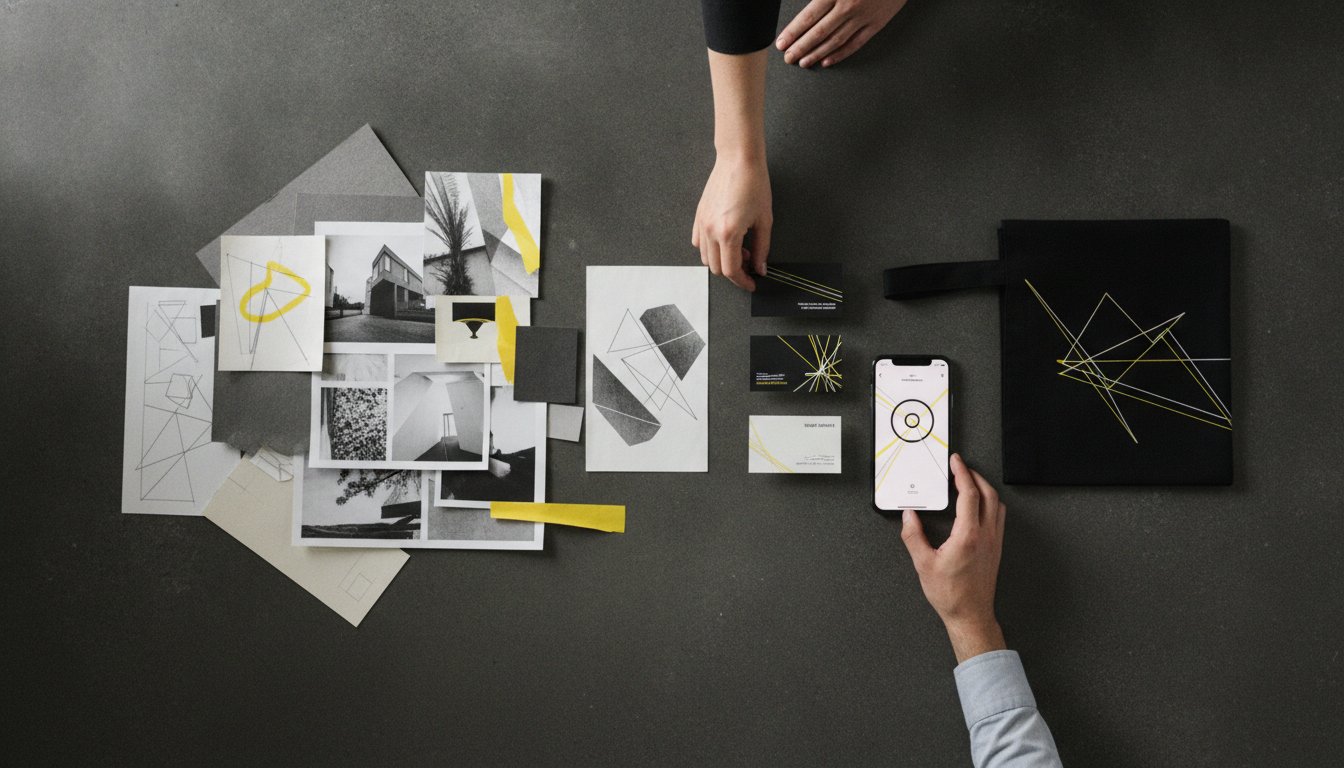
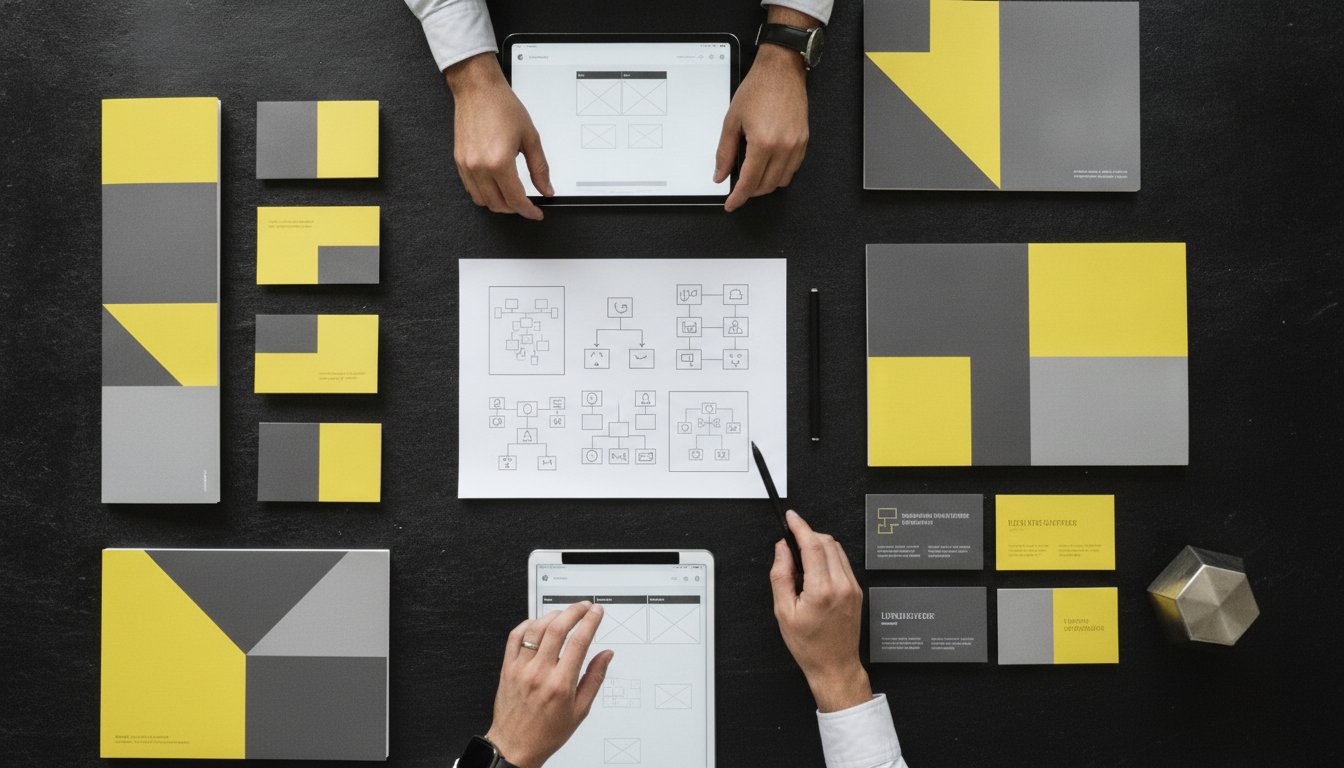
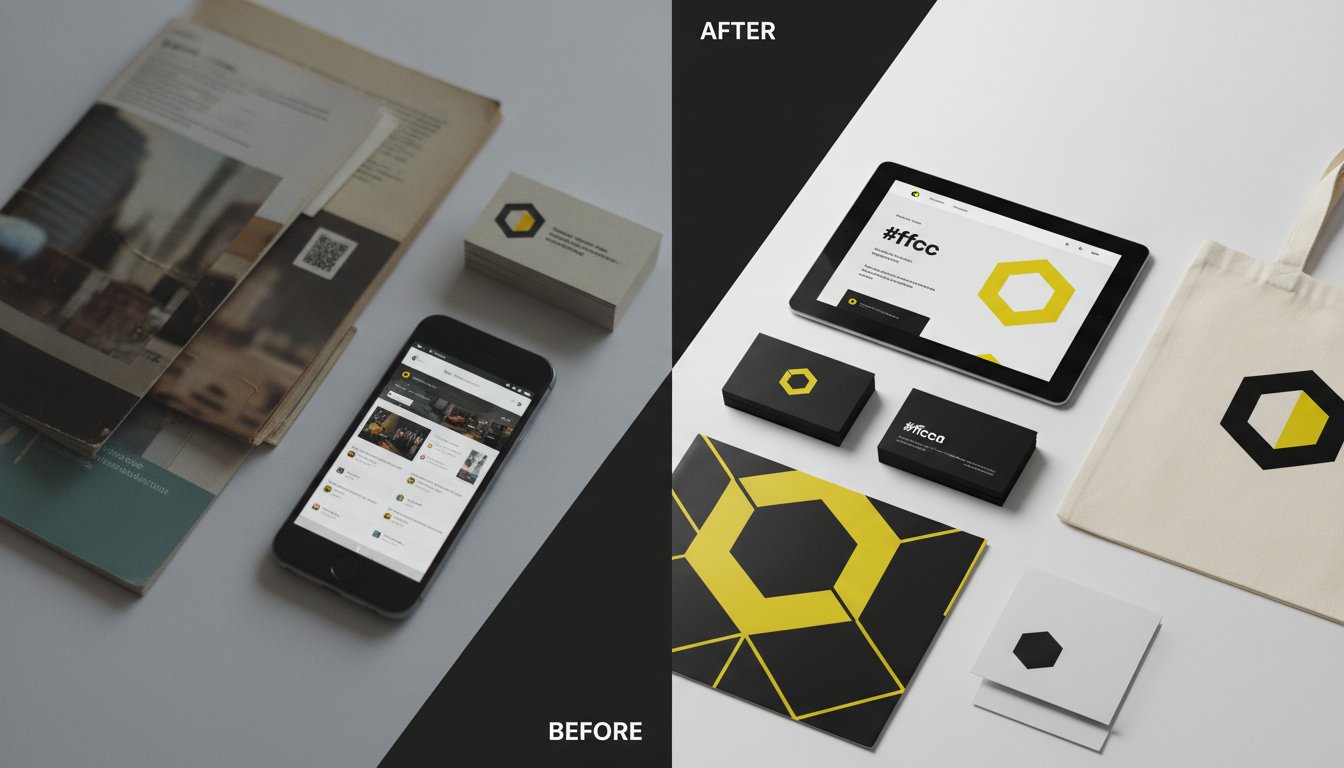
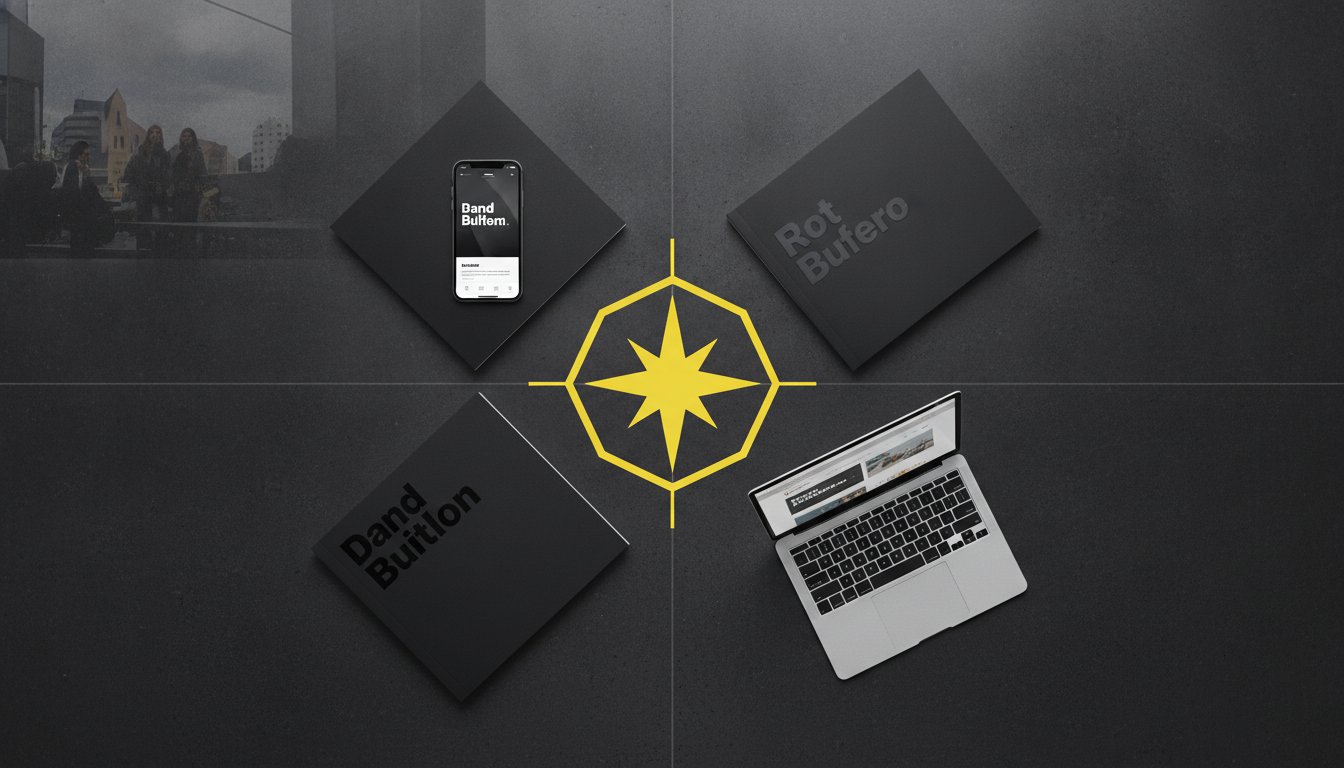
Consider the impact of a cohesive brand suite. We recently worked with a Ballarat-based business to transform their fragmented print assets into a unified, high-end collection. By aligning their tactile strategy with their core brand values, they moved beyond a generic look to a premium presence that justified their pricing. This is the result of a design-led philosophy. It’s about creating a physical experience that resonates with your audience on an emotional level.
Local insight meets national-level creative standards in our studio. We understand the unique landscape of the Melbourne and Ballarat markets. We provide the sophisticated perspective of a high-end consultancy while remaining approachable and collaborative. Every project is an opportunity for innovation. We are committed to intentional, purpose-driven design that stands the test of time. Getting started is simple. A creative consultation allows us to align our expertise with your specific objectives, ensuring a result that is both bold and strategic.
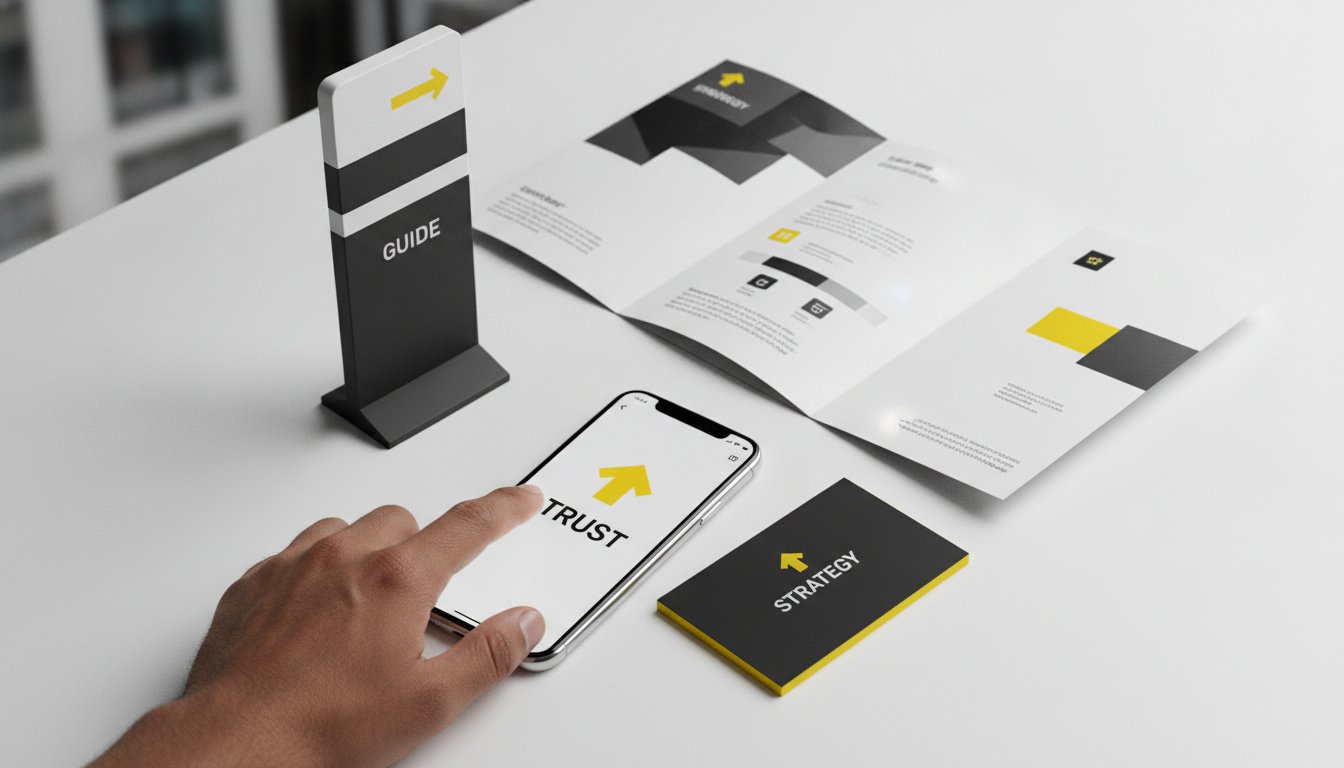
A brand is a living ecosystem. It requires harmony across every touchpoint. Your environmental graphics, packaging, and stationery must work in unison to tell a single story. In a digital-first world, the tactile nature of print is a powerful differentiator. It offers a moment of genuine connection that a screen cannot replicate. We ensure this connection is seamless. Take the next step in your brand's evolution and Partner with Seamer Design for your next project. Let's create something that elevates your brand and drives real results.
Physical collateral remains one of the most powerful ways to build trust in an increasingly digital world. You’ve seen how moving beyond generic templates allows for a deeper, more intentional connection with your audience. Strategic custom print design isn't just about ink on paper. It's about the deliberate alignment of your brand values with a tactile experience. By mastering technical specifications and selecting premium finishes, you ensure your brand commands the attention it deserves. These assets don't just sit on a desk. They act as silent ambassadors for your quality and professionalism.
Success requires a partner who understands the bridge between visionary strategy and flawless physical production. Founded in 2002, Seamer Design operates as a high-end consultancy with boutique studios in Melbourne and Ballarat. We are specialists in high-end visual identity and collateral that drives real business outcomes. Our collaborative approach ensures your brand remains consistent, premium, and purpose-driven across every touchpoint. We don't just execute tasks; we champion your long-term success.
Elevate your brand with bespoke print design from Seamer Design. Let’s collaborate to create physical assets that don't just look exceptional but also fuel your business growth. Your brand’s physical future starts with a single, intentional choice.
Custom print design is a bespoke solution built specifically for your brand’s strategic goals, whereas a template is a pre-made layout with rigid constraints. Templates often lead to a generic look that dilutes your authority. Custom design allows for unlimited creative control over typography, layout, and paper engineering. It ensures your brand stands alone in a crowded market rather than looking like a replica of a competitor.
Timelines vary depending on the complexity of the project, but most bespoke design phases take between two to four weeks. This allows for strategic research, conceptual development, and refinements. Physical production adds extra time. Specialty finishes like foil stamping or embossing can extend the timeline by several business days. We provide a clear project roadmap at the start to ensure your deadlines are met without compromising quality.
High-quality outcomes require professional assets, so we recommend providing high-resolution imagery and final copy. If you don't have these ready, we can collaborate with professional copywriters and photographers to ensure the content matches the design's quality. Using low-resolution or placeholder assets often undermines the premium feel of custom print design. We guide you on the specific technical requirements for every asset to ensure a flawless final result.
We manage the entire print production phase on your behalf to ensure the final result matches the design vision. This includes sourcing the right stocks, obtaining quotes, and overseeing the technical hand-off to our trusted Australian print partners. By managing the printer relationship, we eliminate the stress of technical jargon and production errors. You receive the finished collateral at your door, ready to use, without having to navigate complex manufacturing specs.
You will receive high-resolution, print-ready PDF files that include all necessary technical specifications like bleeds and crop marks. We also provide vector versions of specific elements, such as logos, in EPS or AI formats for future scalability. These files are built to professional standards, ensuring they can be used by any commercial printer. We keep a secure archive of your project files, making it simple to organise reprints or updates as your business grows.
CMYK is the standard colour model for printing because it uses four ink colours to create the full spectrum on paper. Digital screens use RGB, which emits light and can represent colours that ink simply cannot replicate. Designing in CMYK from the start is essential for colour consistency. It prevents the disappointment of seeing your vibrant digital brand turn dull or muddy once it hits the physical page. Professional custom print design always accounts for these shifts before the files reach the press.
Cohesion is achieved by applying a unified visual identity across both digital and physical touchpoints. We use identical typography, colour palettes, and brand voice to ensure your brochure feels like a natural extension of your website. This consistency builds trust and reinforces brand recognition. When your print assets mirror your digital presence, it creates a seamless journey for your clients, justifying premium pricing through professional alignment.
Common mistakes include using low-resolution images that appear pixelated and failing to include "bleed" for edge-to-edge printing. Many DIY projects also use incorrect colour modes, leading to unexpected shifts in the final product. Poor typography and a lack of visual hierarchy are also frequent issues. These errors often result in materials that look "cheap" or unprofessional, ultimately costing more in reprints and lost reputational value than a professional studio investment.




.jpg)
.jpg)
%20(1).jpg)