You’re introducing a new service, launching a program or bringing another business into the organisation. Someone suggests a new name and logo. Before starting the design, it’s worth asking how people should understand the relationship between the new offer and the brand they already know.
That relationship is the starting point for brand architecture. Getting it clear can help you decide what needs a distinct identity, what can share your existing identity and how the whole organisation presents itself.
Brand architecture describes how an organisation’s main brand, related brands, products and services fit together. It helps answer a practical question: when someone encounters one part of your business, how should they recognise its connection to the rest?
Consider a consultancy adding a training service. It could introduce training under its existing name, create a related program name or establish a separate brand. Each choice changes what needs to be explained, designed and maintained.
Internal divisions do not always need separate public identities. Your team may have different departments, budgets and reporting lines, while clients see one organisation helping them with related needs.
List the audiences for the new offer. Are they already familiar with you? Will they use your other services? Does your existing reputation help them understand and trust the new offer, or does it create the wrong expectation?
For an education organisation, a new professional learning program may need a clear title and recognisable place within the existing identity. A public campaign with a different audience and message may need more room to develop its own character. The decision should follow those needs.
This approach is often called a branded house. The main name leads, with service or program names helping people navigate the offer. Shared typography, colour and layouts keep the relationship clear.
It is worth considering when audiences overlap and the new service supports the same core promise. The design challenge is giving each offer enough distinction without making it appear unrelated.
An endorsed brand has its own identity while showing a relationship to the parent organisation. That connection might be expressed through a naming line or a carefully defined logo arrangement.
This can be useful when a program needs a particular personality but the organisation behind it remains important. Test whether the connection is legible in everyday use, including small digital graphics and printed materials.
A house of brands contains distinct brands rather than putting one main identity at the centre of every offer. A separate brand may make sense when audiences, positioning or existing recognition differ substantially.
It also creates more to manage. Think through who will maintain the name, messaging, design files and communication channels. A new identity needs ongoing attention after launch.
Collect your current names, logos, taglines, service descriptions and examples of how they appear. Include campaign identities, older program names and materials used by different teams.
Draw a simple map of the relationships. Then ask someone unfamiliar with the organisation to explain it back to you. Where do they assume two related services are separate? Where do they confuse a program with the organisation running it?
Those observations give the discussion a more useful starting point than choosing a favourite logo. They also reveal whether clearer naming and presentation could solve the problem within your existing identity.
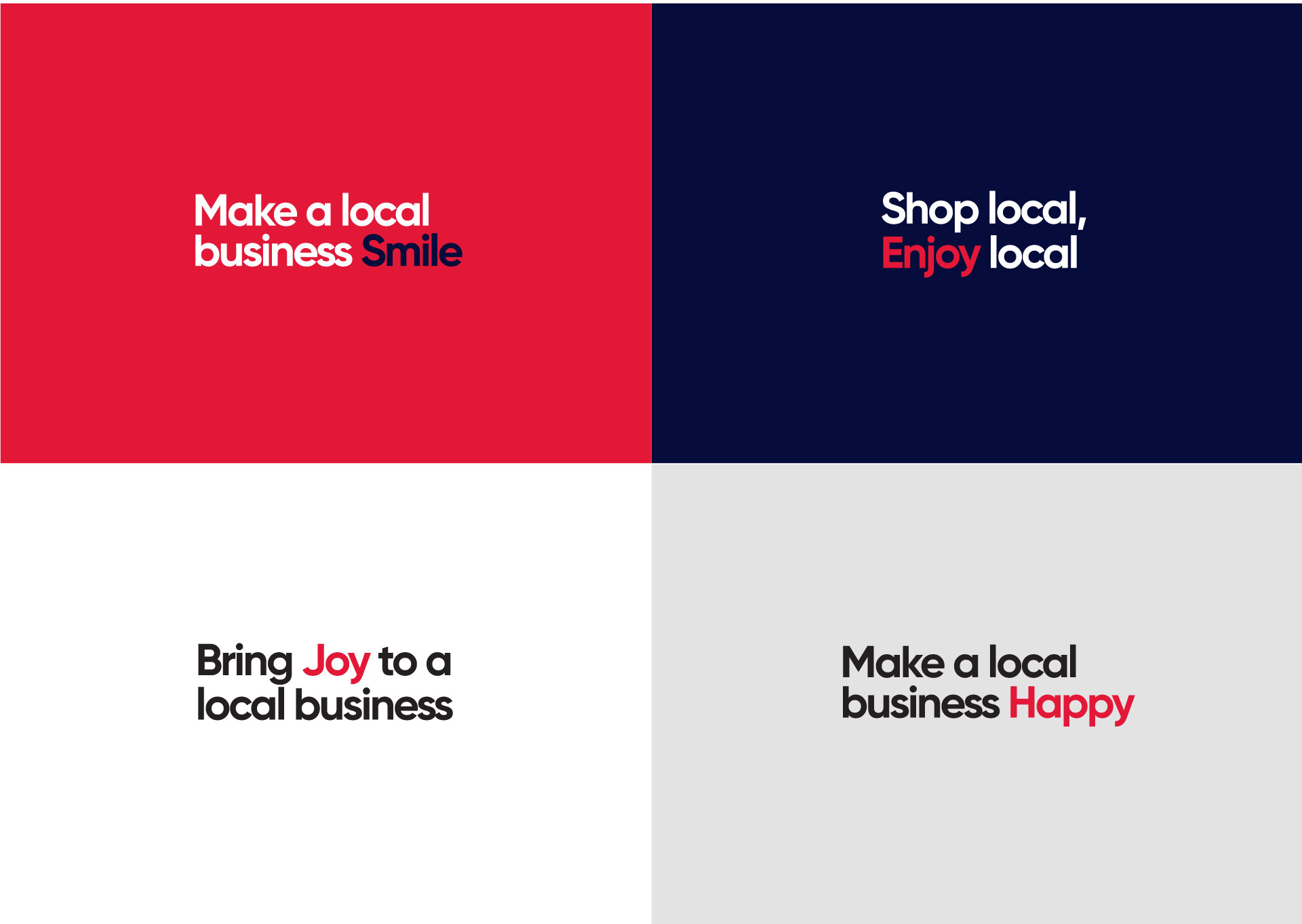
Our Business to Ballarat project shows how identity and language can work together around a specific purpose. The Commerce Ballarat campaign encouraged local spending. We rebranded it with a smile built into the mark and developed slogans for its promotional material.
The useful lesson is to connect the design decisions to the job the communication needs to do. When planning your own campaign or program, also decide how the organisation behind it should be identified and which existing brand rules apply.
Before approving a direction, try it on the things your team actually uses: a proposal cover, program flyer, presentation opening or website navigation. Can a reader tell what the offer is and who provides it? Is the relationship still clear when space is limited?
Agree on naming, logo relationships and the visual elements that can vary. Record those decisions with examples, and identify who can approve future additions. This helps the next program fit the system without restarting the discussion.
Bring your current identity, a list of services and programs, the change you’re planning and what you know about the audience. Include any partner-brand requirements and examples of where people are getting confused.
Explore our branding services in Melbourne and Ballarat, or talk to Seamer Design about how your next offer should fit with your existing brand.