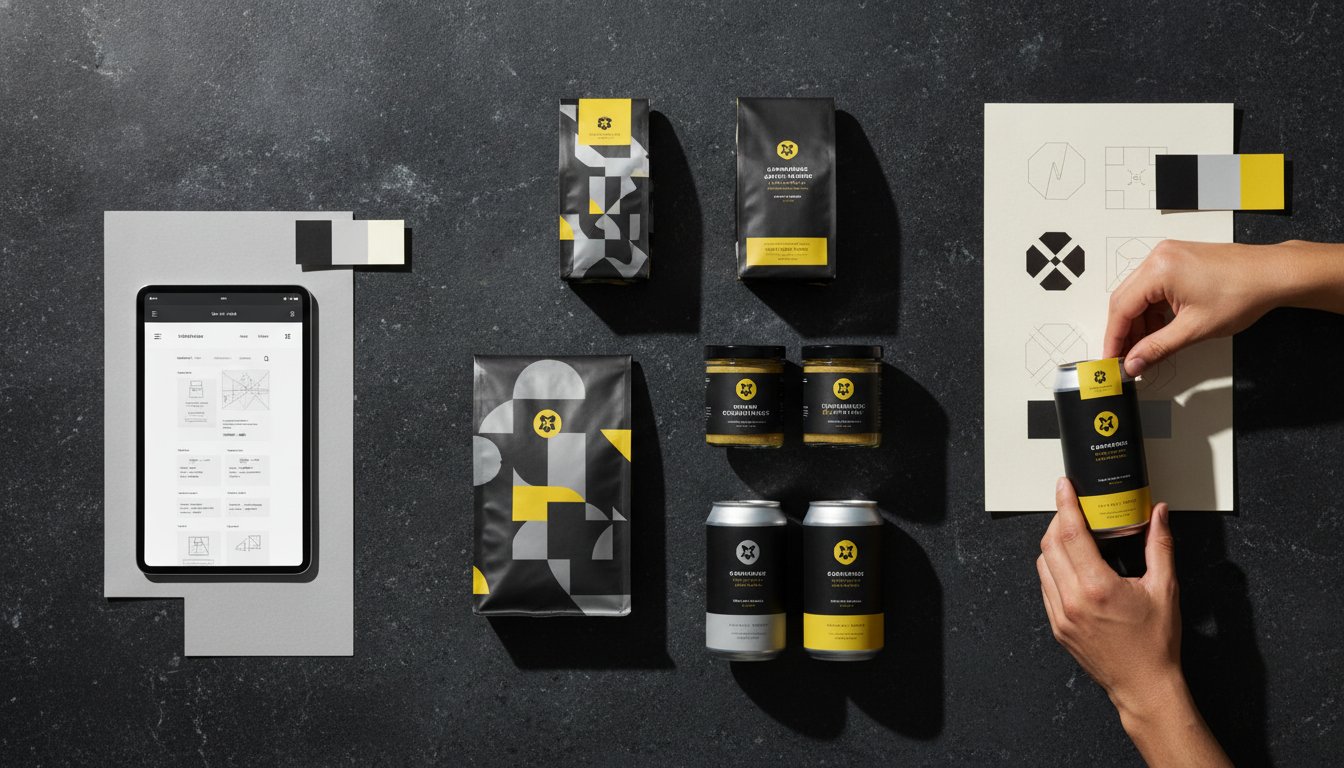
Did you know that 94% of first impressions of your brand are influenced solely by the quality of your website’s design? In a market as competitive as Australia, your digital presence is no longer just a business card. It is your most powerful strategic asset. If you have noticed high bounce rates or felt that a generic template is diluting your premium brand, you aren't alone. Many business owners worry that custom website user experience design is too technical or expensive, often confusing simple visual interfaces with the deep, strategic flow that actually converts visitors into partners.
We understand the need for a digital experience that feels as sophisticated as the services you provide. You deserve a site that works as hard as you do. This article will show you how to transform your digital presence into a high-performing asset through intentional design. You will learn the clear ROI of UX and gain a practical framework for improving digital flow. From meeting WCAG 2.2 Level AA accessibility standards to aligning every click with your brand strategy, we are bridging the gap between where your site is now and where your vision needs it to be.
• Understand the "digital handshake" that establishes immediate authority and trust with your Australian audience.
• Identify your Ideal Customer Profile to ensure every digital interaction feels personal and purposeful.
• Organise complex information into a clear digital blueprint that prioritises user comprehension and flow.
• Master the prototyping process to validate your website user experience design before moving to development.
• Recognise the long-term commercial value of custom design over the limitations of generic templates.
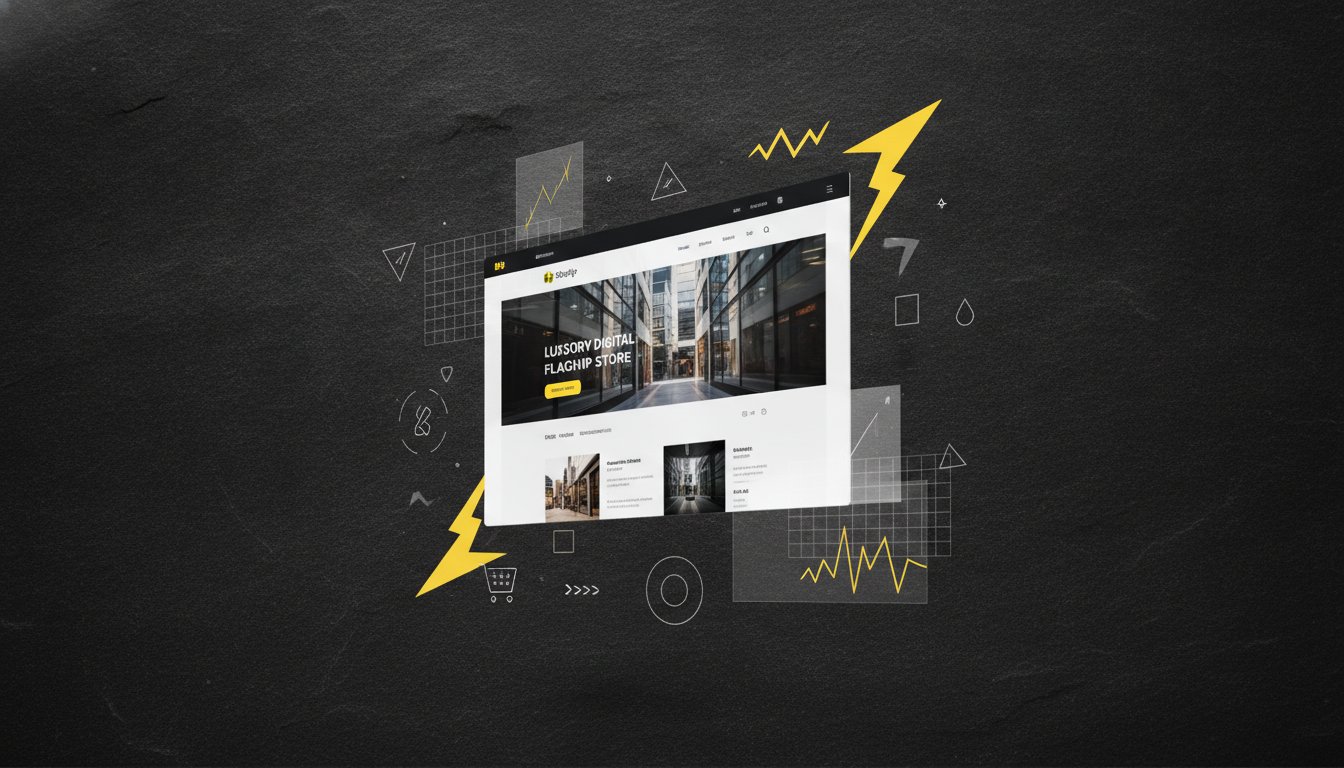
Think of your website as your digital handshake. It is the first interaction a potential partner has with your brand. In 2026, for businesses in Melbourne and Ballarat, this handshake must be firm, clear, and welcoming. User experience design is the process of ensuring that every touchpoint on your site feels intuitive and intentional. It goes beyond mere aesthetics. It focuses on the psychological journey of the visitor. In a market where 75% of users judge your credibility based on design alone (Melbourne Web Digital, December 2025), your website user experience design is your most vocal brand ambassador.
Successful website user experience design relies on three core pillars: usability, accessibility, and brand alignment. In Australia, we value the "fair go" principle. This cultural value must extend to our digital spaces. Under the Disability Discrimination Act 1992, providing an accessible experience is a legal necessity. Meeting WCAG 2.2 Level AA standards ensures your premium brand is inclusive for all Australians, including the 27 million smartphone users nationwide (Digital8, March 2026). It is about removing barriers and creating an open door for every visitor, regardless of their ability or device.
Efficiency drives commercial growth. When a local service provider reduces digital friction, they directly increase their conversion rates. Data from Melbourne Web Digital suggests that 57% of Australians will not recommend a business if its mobile website is poorly designed. High bounce rates are rarely an accident. They are often a symptom of a fractured user journey that confuses or frustrates the visitor. UX is the strategic alignment of user needs and business goals. By investing in this alignment, you protect your brand reputation and ensure you aren't losing valuable leads to competitors with more intuitive interfaces.
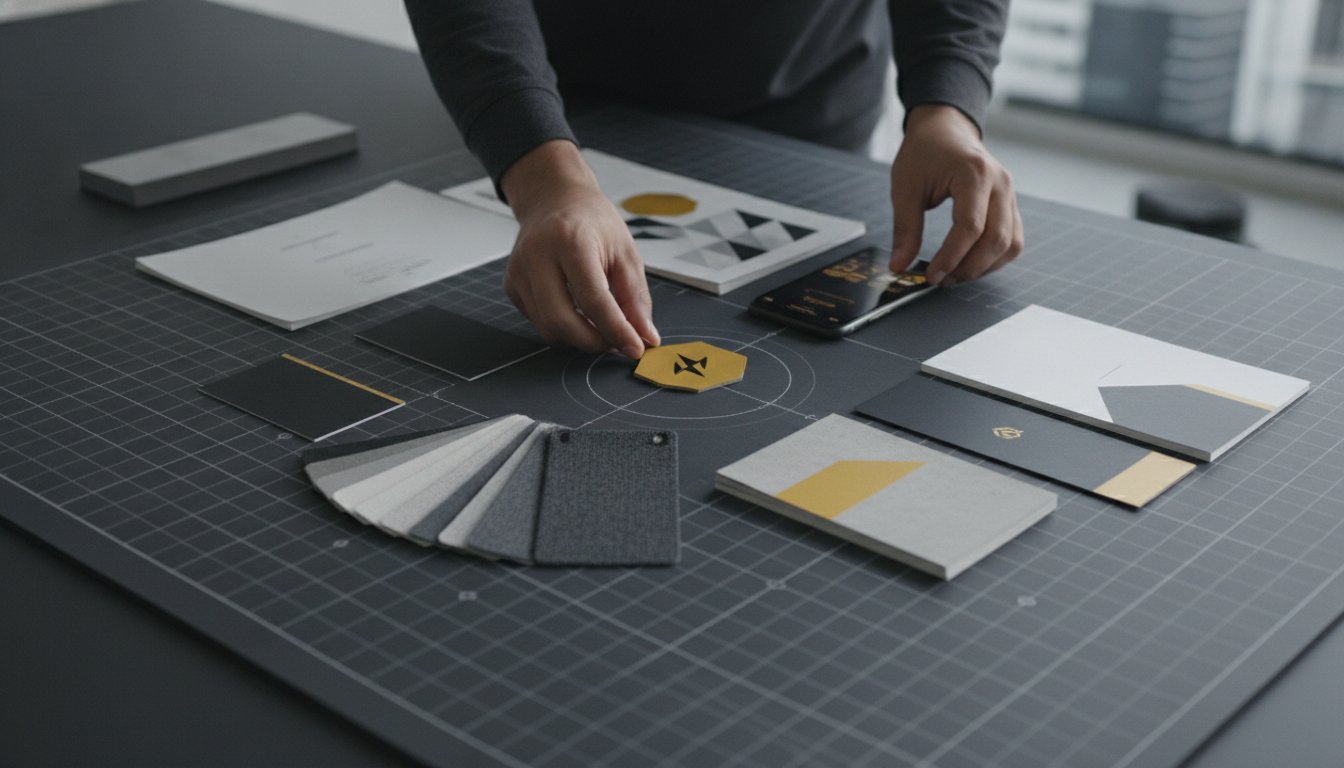
The distinction between UI and UX is often misunderstood, yet it is vital for your digital strategy. Think of UI as the "look" of your site. It is the paint, the furniture, and the stylish decor. UX is the "feel." It is the architectural floorplan and the logical flow of the space. You cannot have a high-performing digital presence without both elements working in tandem. While a visual identity design agency shapes the UI to reflect your brand's aesthetic soul, the UX ensures that soul is functional. This partnership moves the user seamlessly from initial curiosity to final commitment.
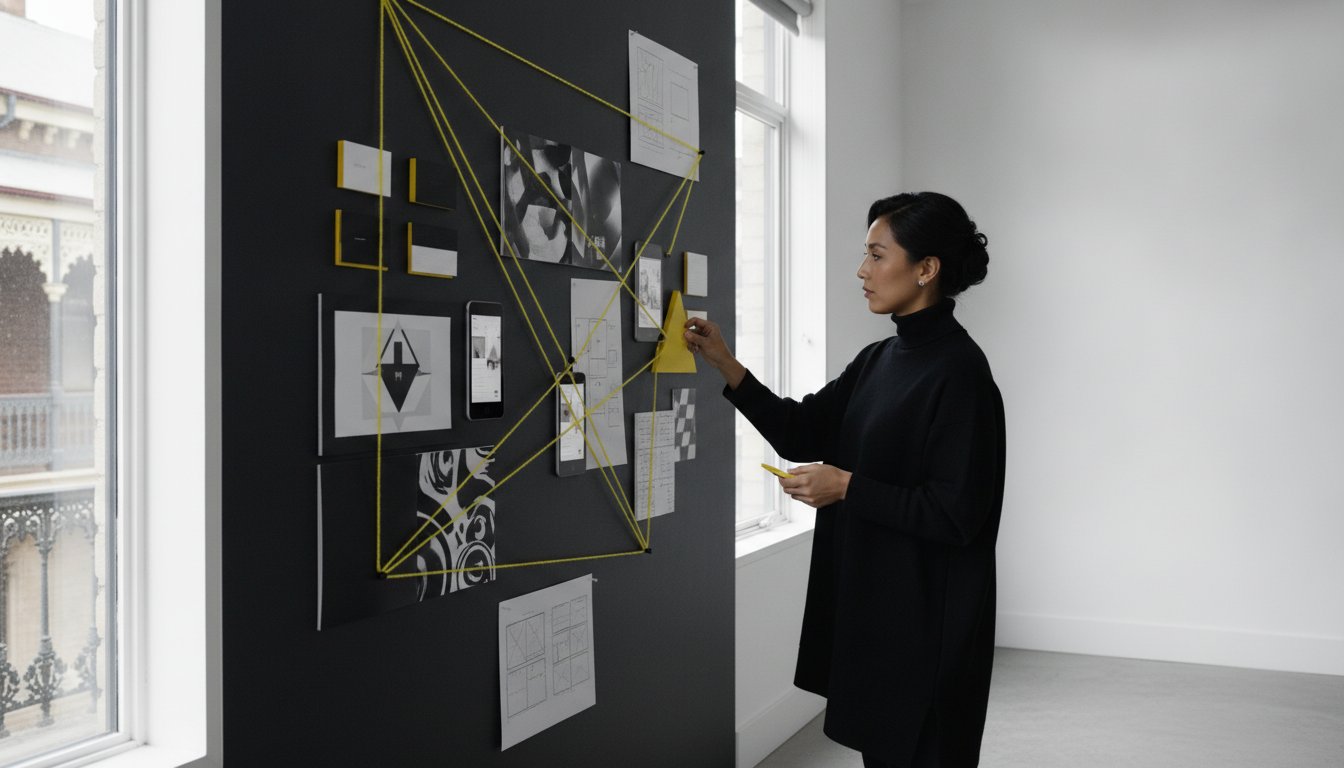
Discovery is the silent architect of digital success. Before a single pixel is placed, we must understand the "who" and the "why" behind every click. Research is the non-negotiable foundation of high-end custom website development Melbourne. It transforms a visual concept into a strategic tool. By identifying your Ideal Customer Profile (ICP), you move beyond generic assumptions. You start to see your brand through the eyes of your audience. In the Australian market, this means recognising the specific needs of a Melbourne-based executive versus a regional business owner in Ballarat. Their digital expectations differ. Your strategy should too.
Gathering this intelligence requires a blend of technology and human empathy. Tools like heatmaps and deep-dive analytics reveal the "what." They show us exactly where users hesitate or abandon the journey. However, user interviews reveal the "why." By applying established user experience principles and methodologies, we bridge the gap between raw data and human connection. We aren't just chasing the latest design trends. We are solving real-world problems. This empathetic approach ensures that your website user experience design feels supportive and intuitive rather than technical and cold.
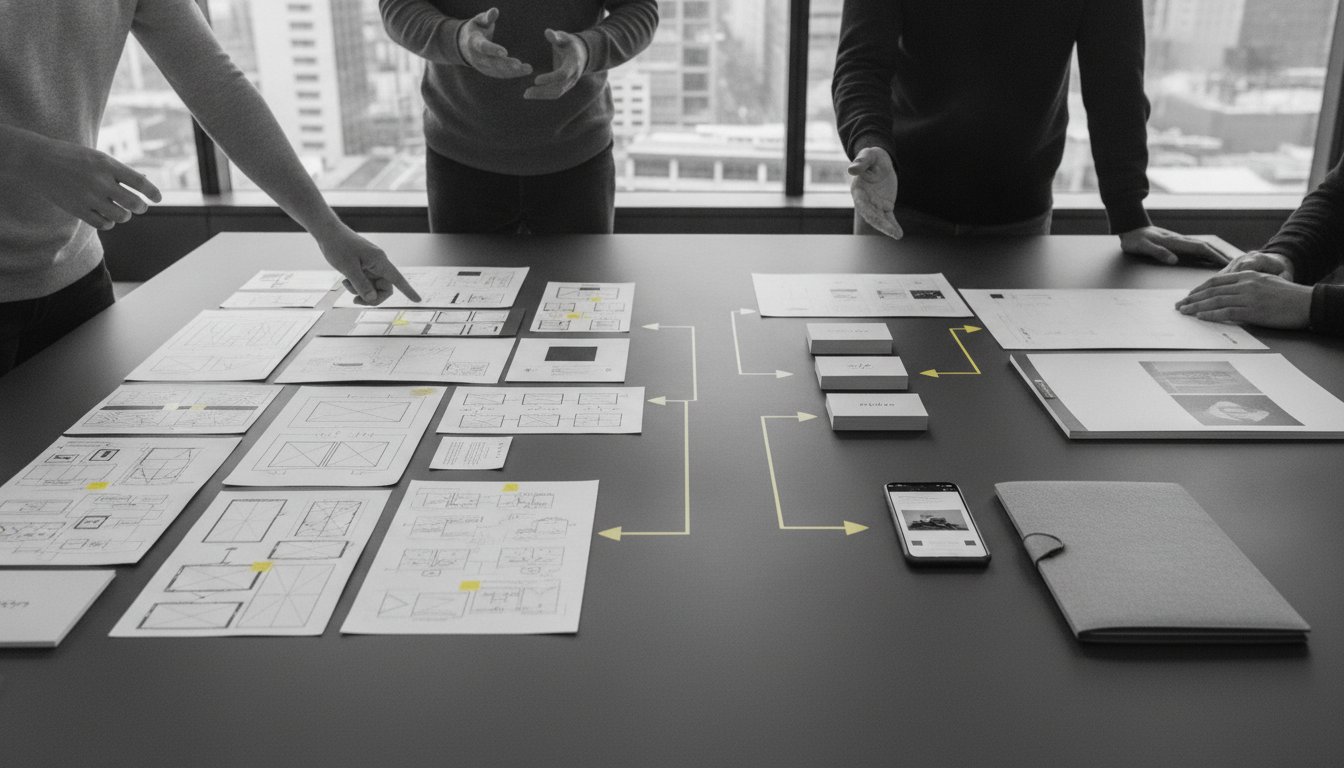
Every successful digital interaction starts with a clear map. We begin by defining the entry points. Where do your customers find you? Whether it is a direct search or a referral, the first touchpoint sets the tone. We identify friction zones where users feel confused or overwhelmed. These are the moments that damage trust. By creating authentic user personas that reflect regional Victorian audiences, we tailor the flow to their specific habits. This level of detail ensures your digital presence is a high-performing asset rather than a static brochure.
Your website user experience design must be the digital embodiment of your brand strategy. If your brand values focus on luxury and calm, your site's flow should reflect that through measured pacing. If you promise efficiency, the journey must be rapid and frictionless. The digital experience should feel like a natural extension of your physical business. A "one size fits all" template fails because it cannot mirror your unique identity. It is a compromise that sophisticated brands cannot afford. When you are ready to elevate your digital identity, strategic alignment becomes your greatest competitive advantage.
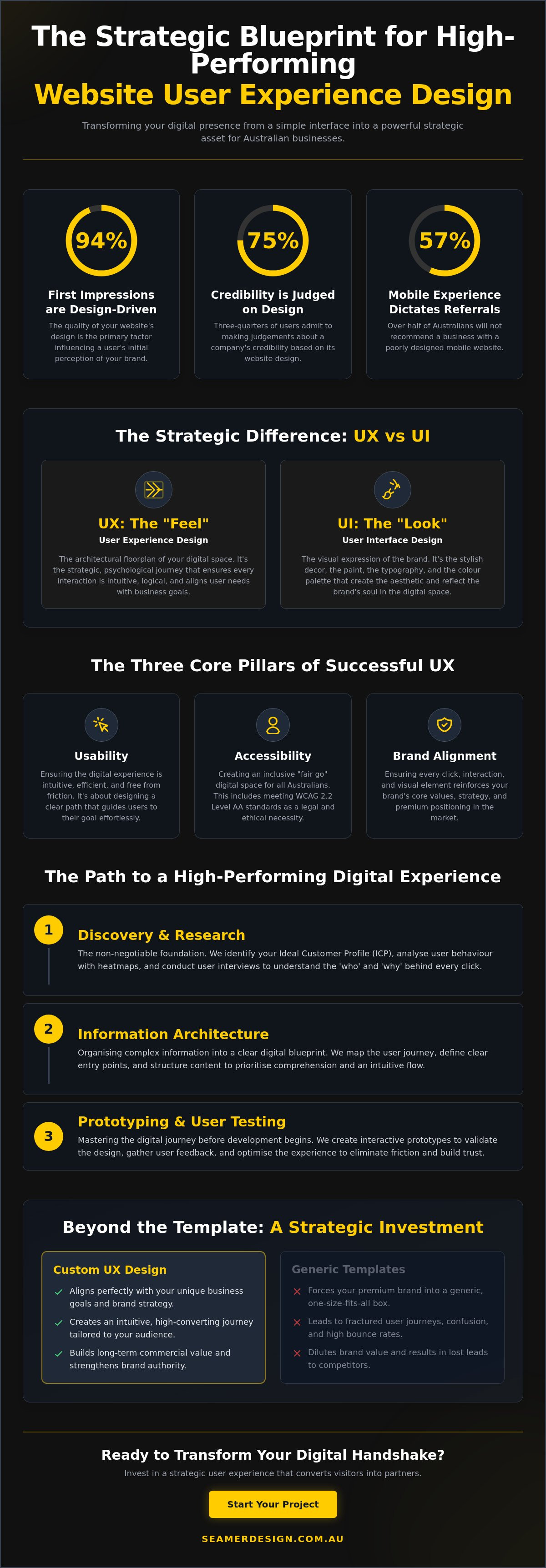
Architecture defines the quality of an experience. In the digital world, Information Architecture (IA) acts as the essential blueprint for your brand’s home. It is the invisible structure that supports every interaction and the backbone of successful website user experience design. For Australian brands with diverse service portfolios, IA prevents a visitor from feeling lost in a sea of data. It organises the chaos. Every page, link, and button must serve a specific strategic purpose. When we simplify complex offerings, we don't lose depth; we gain clarity. We ensure the user journey is a straight line from curiosity to commitment.
Navigation should never be a puzzle. We adhere to the "Three Click Rule" because modern users value their time above all else. If it takes more than three clicks to find essential information, you have already lost their attention. This structure isn't just about logic. It is about respect for the user's intent and reducing the effort required to engage with your brand.
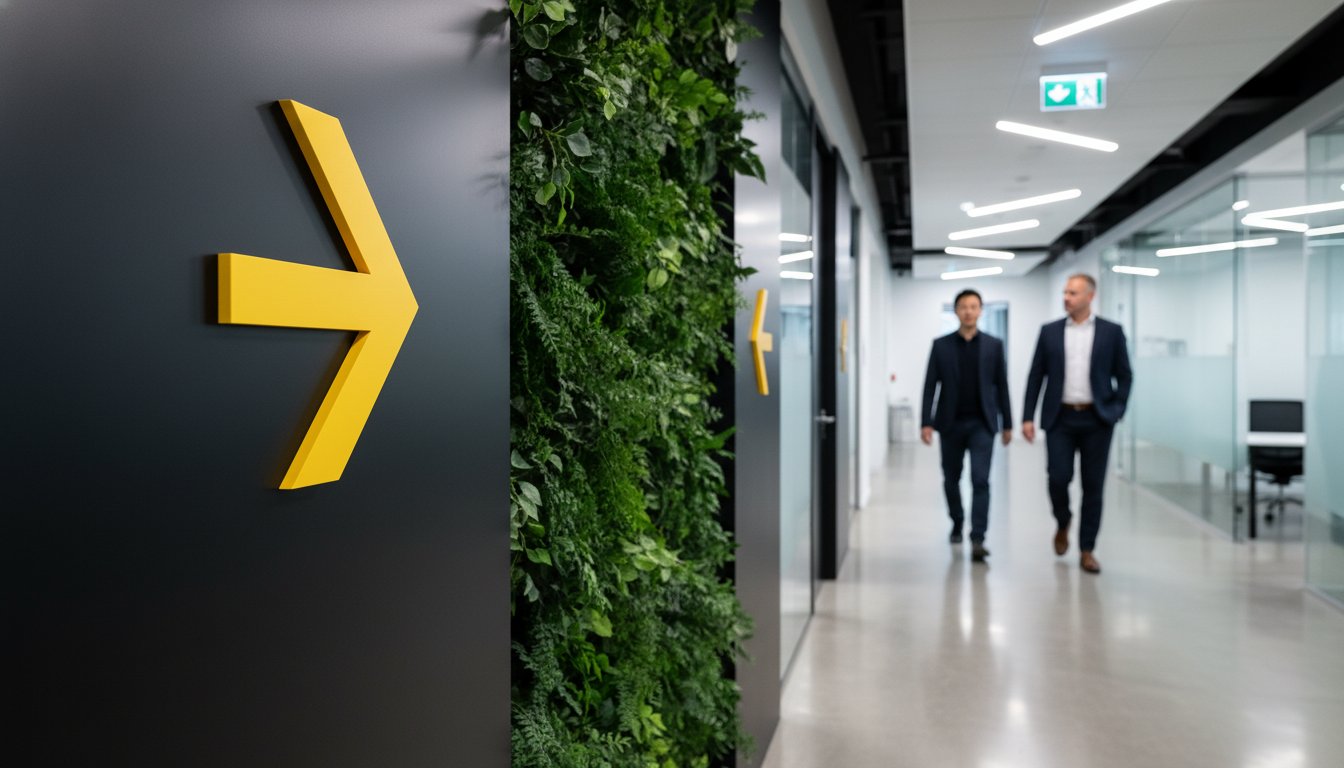
In 2026, navigation must be invisible yet omnipresent. Headers should provide immediate access to core categories, while footers act as a safety net for deeper exploration. For larger corporate sites, effective wayfinding is the difference between a successful lead and a frustrated bounce. This digital navigation mirrors the logic of physical wayfinding signage design. Both disciplines aim to reduce anxiety by providing clear markers of progress and location. A robust search function further empowers the user, giving them a direct route to their specific needs without unnecessary scrolling.
Visual flow is how we tell a story without saying a word. We use typography and colour to establish a hierarchy of importance. Your primary brand message must be the first thing a visitor sees. This isn't just about bold fonts; it's about strategic placement. Whitespace, or negative space, is your most powerful tool in reducing cognitive load. It allows the mind to rest and process information effectively. By following established U.S. Web Design System design principles, we build trust through consistency and clean layouts. This methodical approach ensures your most critical information isn't just present; it is prominent. You guide the eye. You control the narrative. You elevate the entire experience.
Once the blueprint of Information Architecture is set, we move into the laboratory phase. This is where we validate our assumptions. We don't just hope the design works; we prove it. The optimisation process is a structured journey that prevents expensive mistakes during development. It is the bridge between a conceptual idea and a high-performing asset. In the world of website user experience design, testing is the ultimate truth-teller. It ensures your investment is grounded in reality rather than just theory.
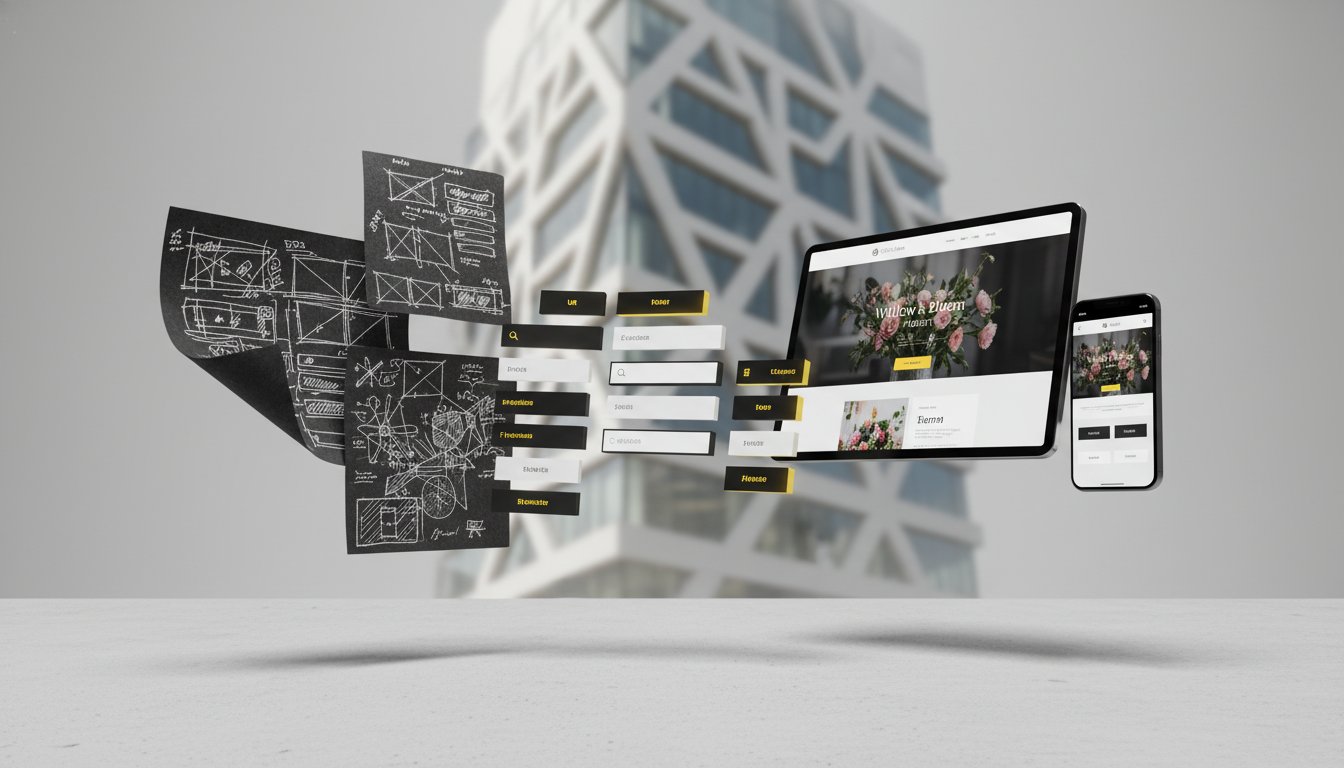
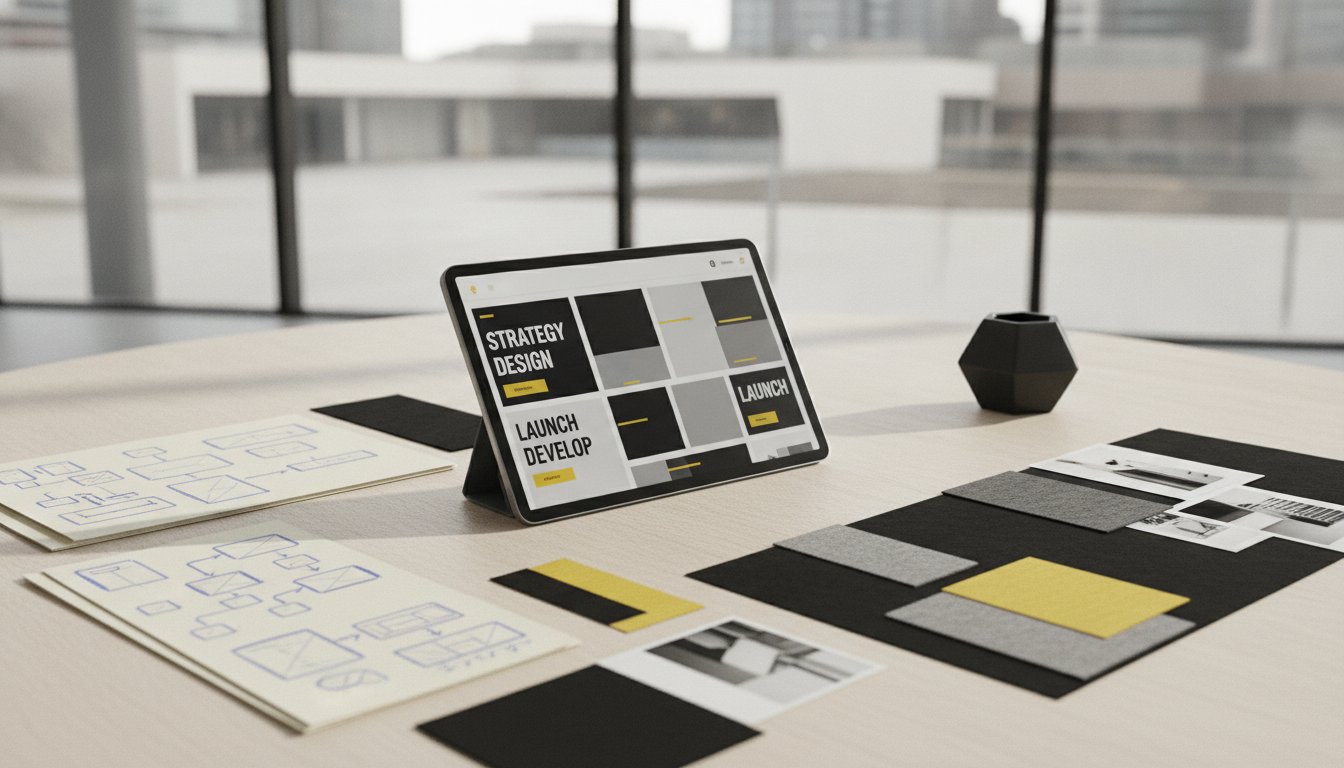
Our methodical approach follows five critical steps to ensure your digital presence is flawless:
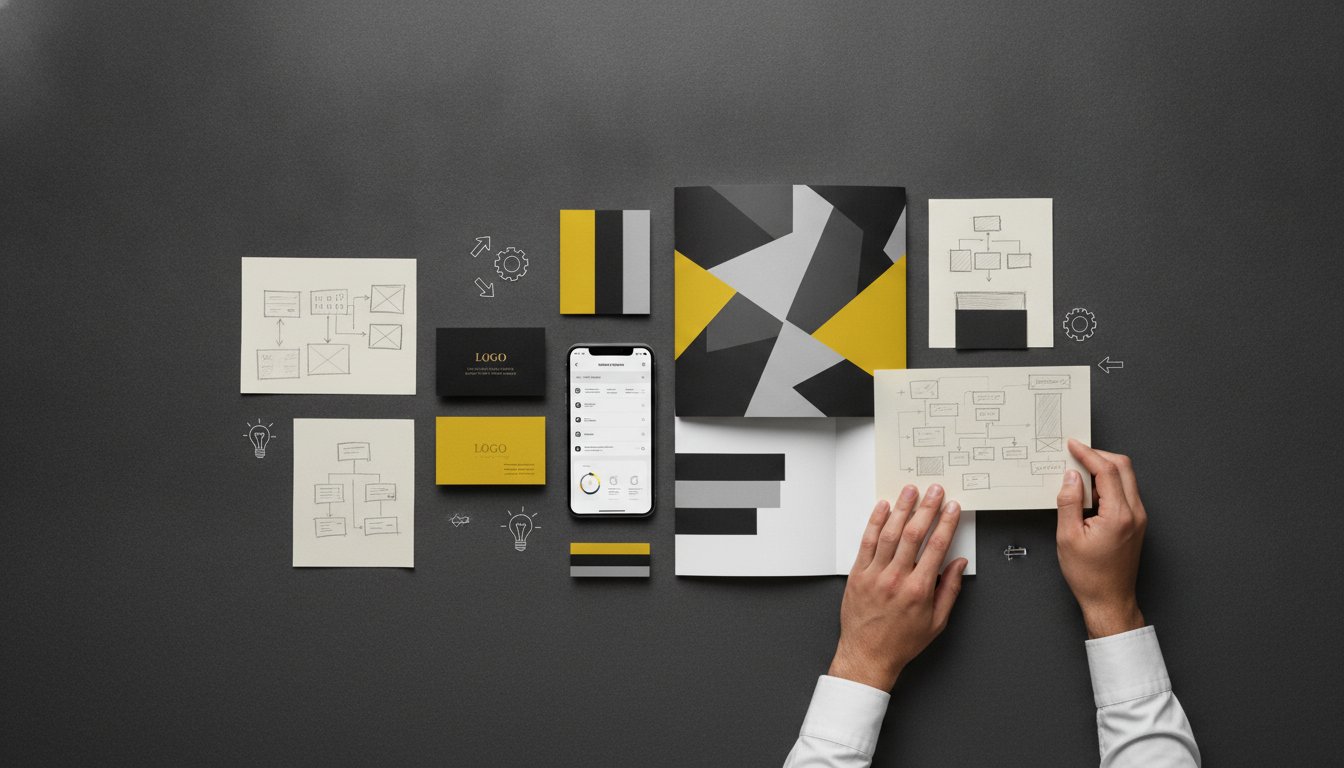
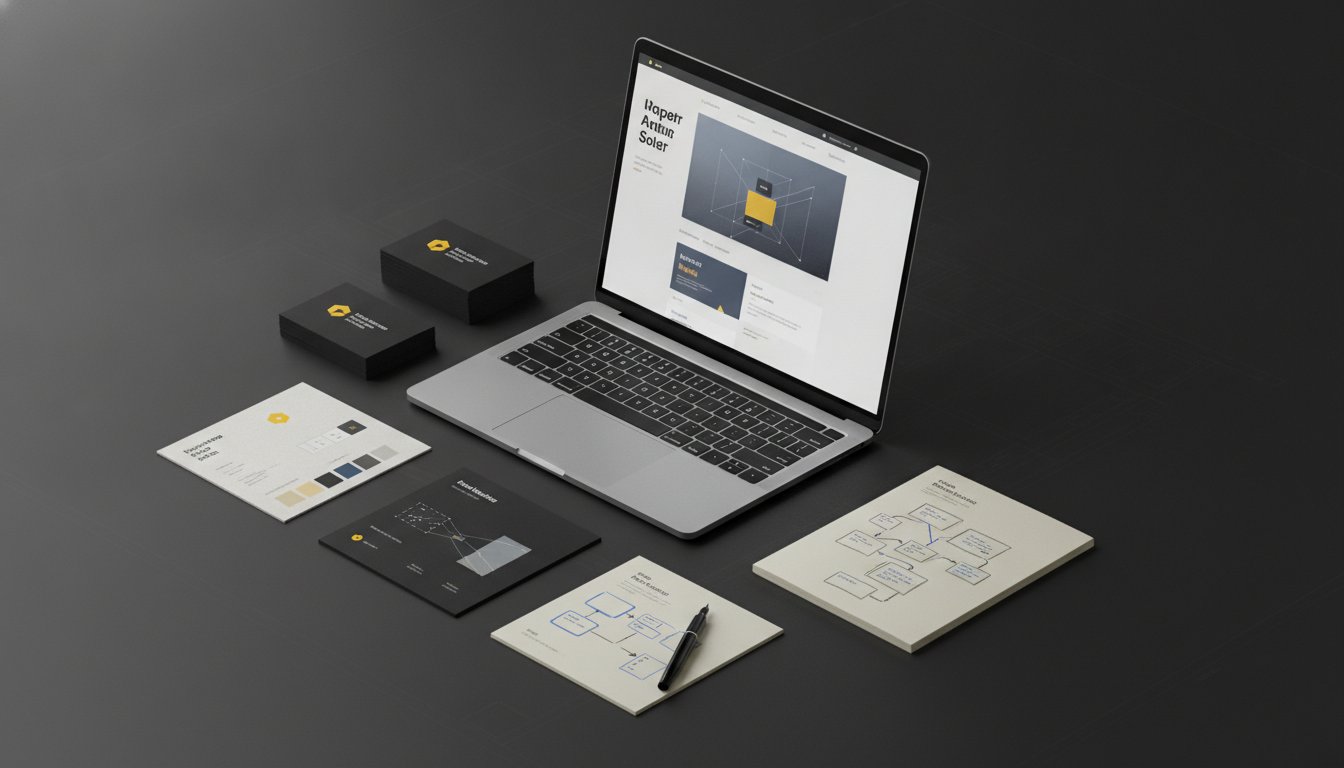
Create low-fidelity wireframes to nail the skeletal structure without the distraction of colour or imagery.
Build interactive prototypes to test the logic and "feel" of the site in a live environment.
Conduct user testing with real people from your specific target demographic.
Analyse feedback to identify unexpected roadblocks or friction zones.
Iterate and refine the design until the flow is seamless and intuitive.
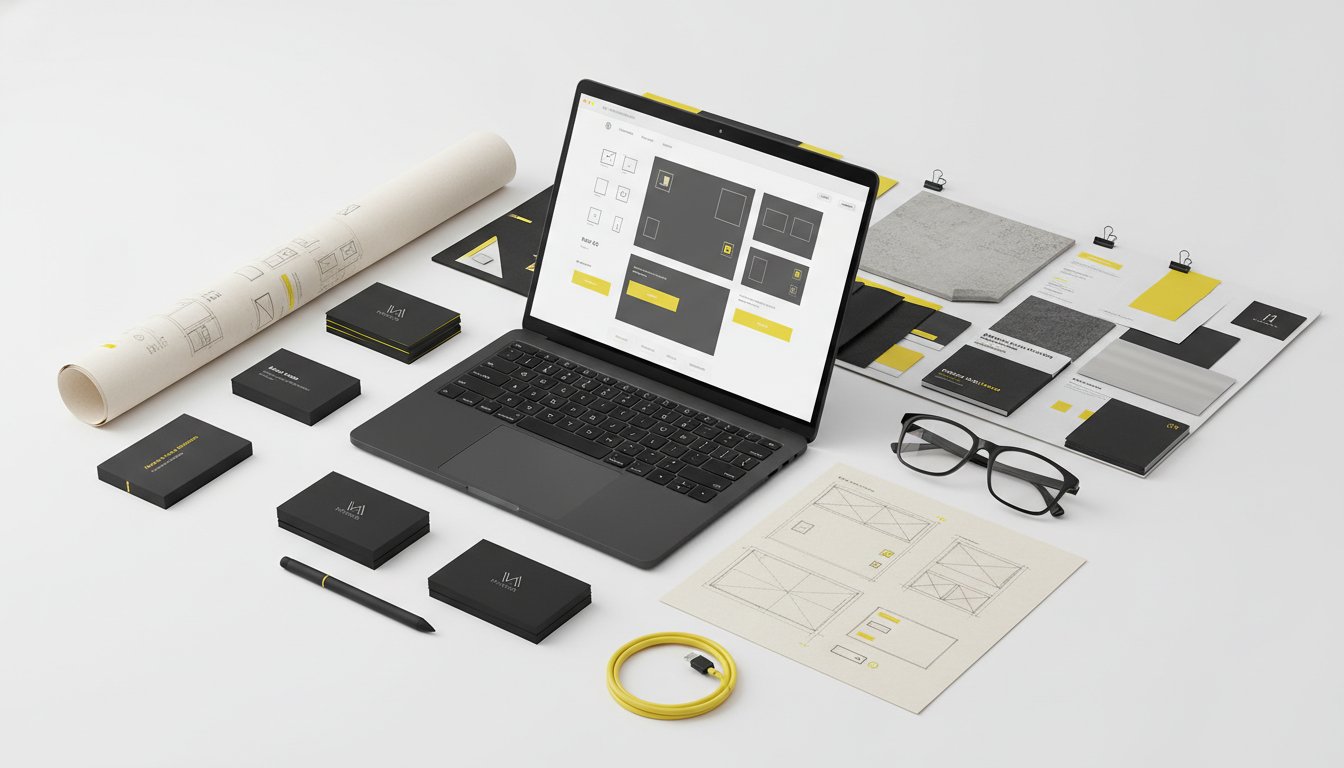
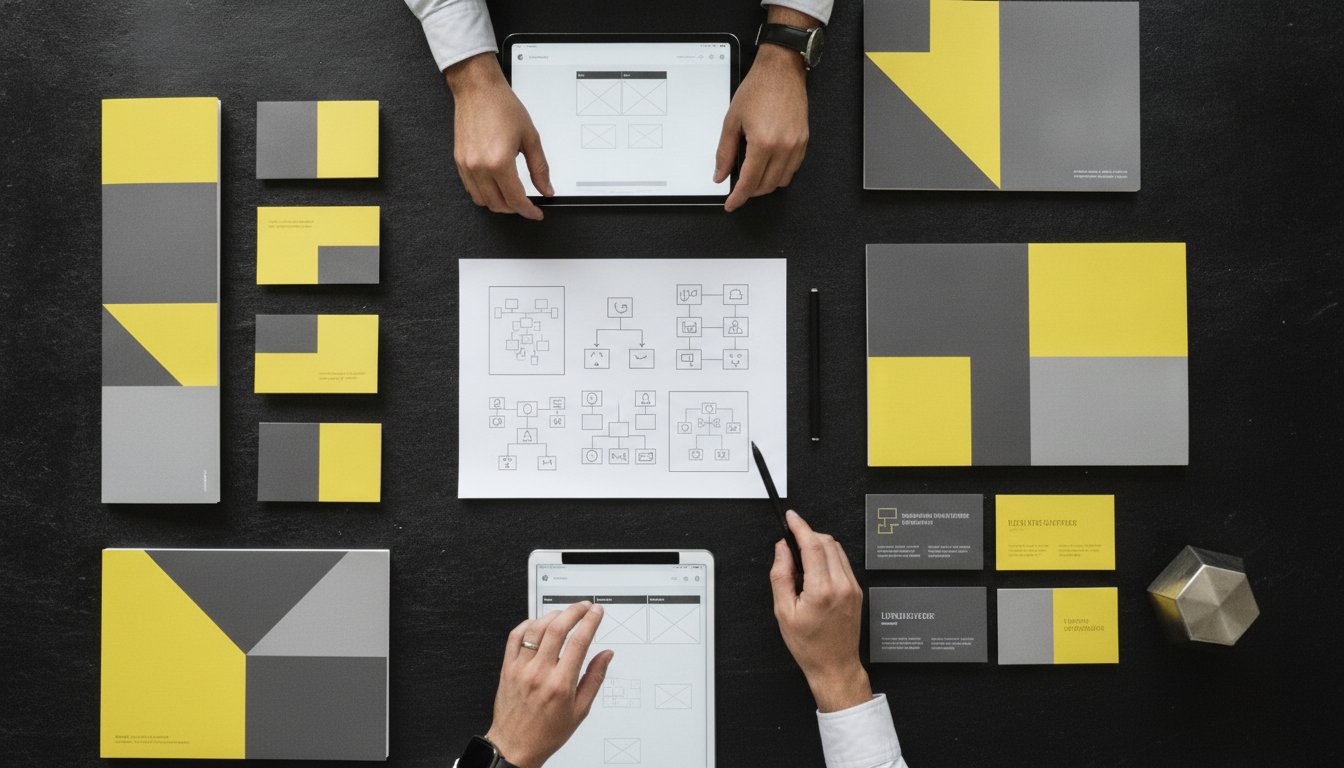
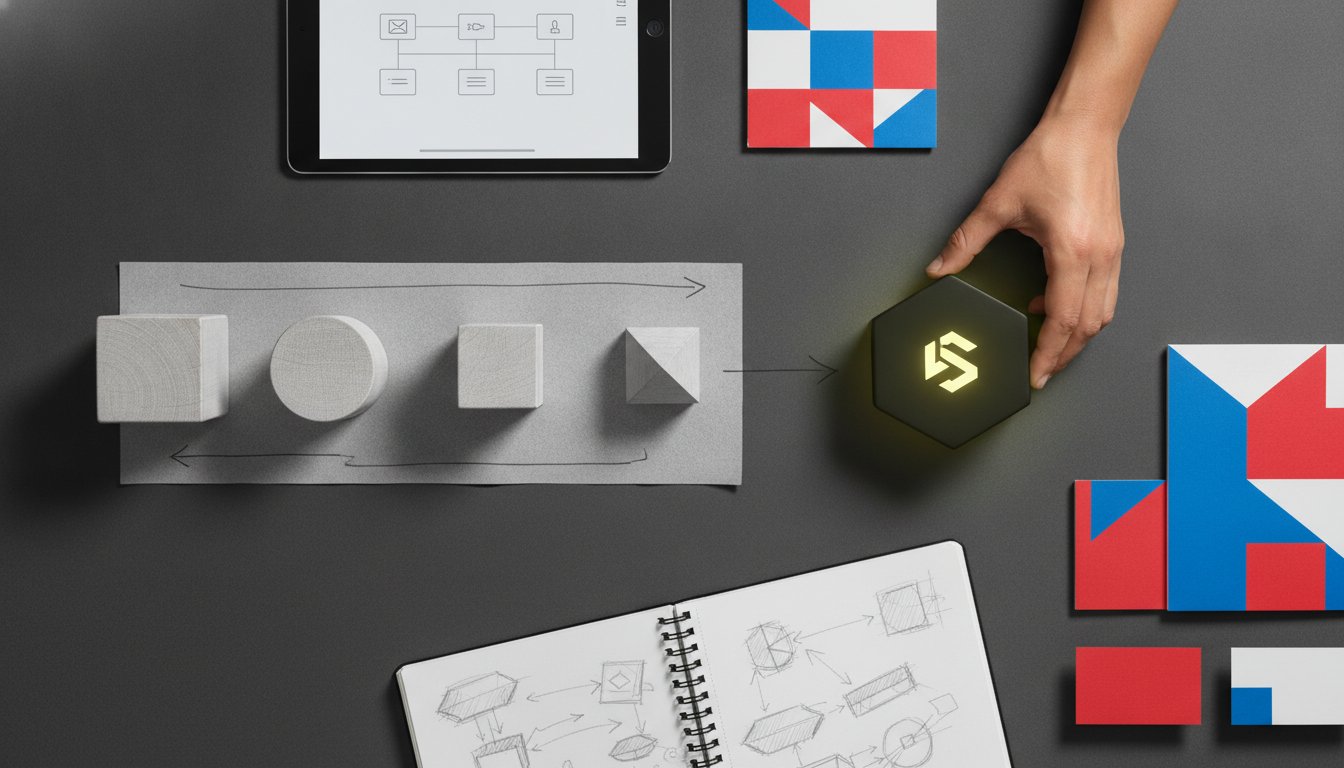
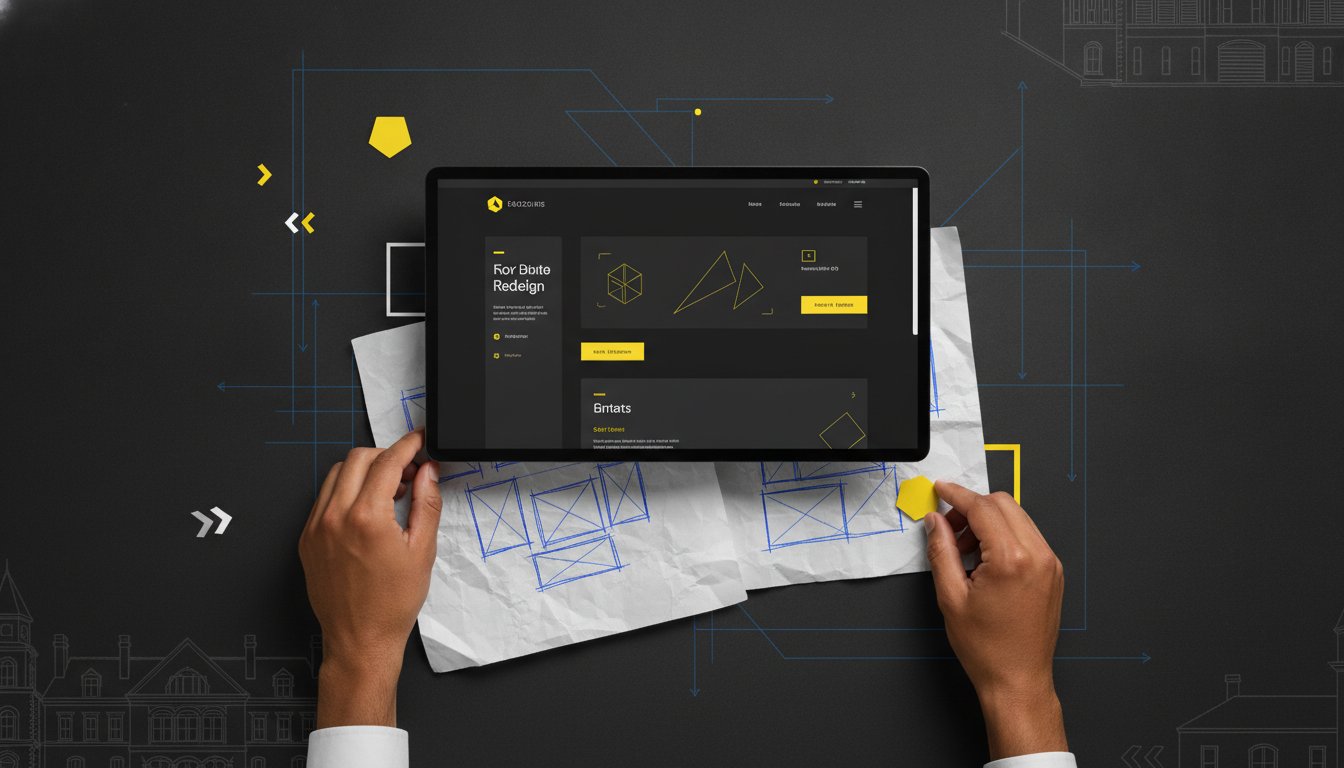
Wireframes are the skeletal structure of your digital brand. By starting with "black and white" designs, we ensure the functionality is flawless before we even consider the visual layer. We focus on button placement, content hierarchy, and the overall journey. This stage is about clarity. It is about making sure the "buy" button is exactly where a user expects it to be. We strip away the emotional influence of aesthetics to focus on the raw mechanics of interaction. If the flow doesn't work in black and white, it won't work in full colour.
Your internal team is too close to the project. They already know where the buttons are. To get honest, actionable data, you need fresh eyes. We conduct testing with real Australians across Melbourne and Ballarat to ensure the digital journey resonates with local expectations. Whether through remote screen-sharing sessions or in-person workshops, we look for "friction points." These are the moments where a user hesitates or feels confused. We don't view "negative" feedback as a setback. It is a gift. It reveals exactly where your website user experience design needs to be stronger to win. This evidence-based refinement is what separates a premium custom site from a generic template.
If you are ready to see how your vision translates into a functional reality, our website design and development process ensures every click is intentional and every journey is optimised for success.
Strategic design is a capital investment in your brand’s future. It's not a mere expense. Choosing high-quality website user experience design ensures your digital platform scales alongside your business. Cheap templates might seem attractive initially, but they often hide significant costs. These include poor performance, limited customisation, and a generic feel that dilutes your premium brand. A 1-second delay in page load time can significantly reduce conversions (Melbourne Web Digital, December 2025). Custom design eliminates these bottlenecks. It protects your brand reputation and secures your long-term growth.
The digital landscape is shifting rapidly. By late 2026, AI-powered personalisation and "agentic UX" will become standard for leading Australian brands. This technology allows your website to act on behalf of the user, providing a deeply tailored experience that anticipates needs. This level of sophistication requires a solid, bespoke foundation. You can't layer advanced AI over a rigid, off-the-shelf template. You need an architecture designed for evolution. It's about being forward-thinking and ready for what's next.
Templates are built for the masses. Your brand is unique. When you rely on a generic solution, you compromise your user's journey to fit a pre-defined box. This leads to fractured experiences and lost leads. A tailored digital journey ensures every interaction reinforces your brand strategy. It creates a seamless transition from your physical business to your digital home. You can explore the detailed differences and long-term implications in our guide on custom website vs template selection.
Elevating your digital presence starts with a purposeful conversation. We don't just execute tasks; we deeply understand and champion the goals of our clients. We act as a creative catalyst to bridge the gap between your current state and your desired future. If you're ready to transform your site into a high-performing asset, obtaining a professional website design quote australia is your first step. Your brand deserves a digital handshake that is as sophisticated and supportive as the services you provide. Let's build a digital experience that reflects your excellence.
Your website is more than a collection of pages. It is the digital embodiment of your brand strategy. By prioritising website user experience design, you move beyond mere aesthetics to create a journey that truly resonates with your audience. We have explored how intentional discovery, logical information architecture, and rigorous prototyping turn a static site into a high-performing business asset. This strategic approach ensures your brand remains accessible, intuitive, and ready to scale in an evolving 2026 market.
Seamer Design brings over 20 years of strategic design expertise to every project. We are a boutique agency with national reach, powered by an award-winning Melbourne and Ballarat creative team. We don't just build websites; we champion your goals. Our focus is on the transformative potential of collaboration. We bridge the gap between your current state and a visionary future.
Elevate your digital journey with Seamer Design today.
Your digital presence holds immense potential for growth and connection. We are here to help you unlock it. Let's build something visionary together.
UI design focuses on the visual interface, including the colours, typography, and buttons that define your brand’s look. UX design is the structural logic of the entire journey. While UI creates the aesthetic, UX ensures the path from landing to conversion is frictionless and intuitive. They must work in tandem to create a successful digital presence.
Timelines vary based on the complexity of your service offerings and audience needs. A thorough discovery, wireframing, and prototyping phase typically spans several weeks. This investment ensures your site is built on a foundation of data rather than assumptions. Taking the time to test early prevents expensive revisions during the final development stage.
Yes, because 75% of users judge a business’s credibility based on its website’s design and feel. In a competitive local market, your digital presence is often your first handshake. Strategic design builds immediate trust. It ensures your premium local brand isn't undermined by a generic or confusing digital experience.
You can achieve significant gains through incremental optimisations. Start by clarifying your primary call-to-action and simplifying your navigation menus. Improving page load speed and fixing broken links also enhances website user experience design. These targeted shifts reduce friction and help keep visitors on your page longer.
Mobile design is a commercial necessity as over 60% of website visits in Australia now come from mobile devices. Data shows that 57% of Australians won't recommend a business if its mobile site is poorly designed. A responsive layout ensures your brand remains accessible and professional across every screen size, from smartphones to desktops.
WCAG refers to the Web Content Accessibility Guidelines, with the current recommended standard being WCAG 2.2 Level AA. These standards ensure your site is inclusive for people with disabilities. Meeting these guidelines is a legal requirement under the Disability Discrimination Act 1992. It reflects the Australian "fair go" principle in your digital space.
Success is found in the data. Track your bounce rates, average session durations, and conversion numbers through analytics. Heatmaps provide qualitative insights by showing exactly where users click and scroll. When these metrics improve, it confirms that your digital journey is becoming more effective and user-friendly.
A UX designer acts as a strategic partner and an advocate for your customer. They bridge the gap between your business goals and the user's needs. By conducting research and testing prototypes, they ensure the final website is a high-performing asset. Their focus remains on creating a meaningful connection between your brand and your audience.




.jpg)
.jpg)
%20(1).jpg)