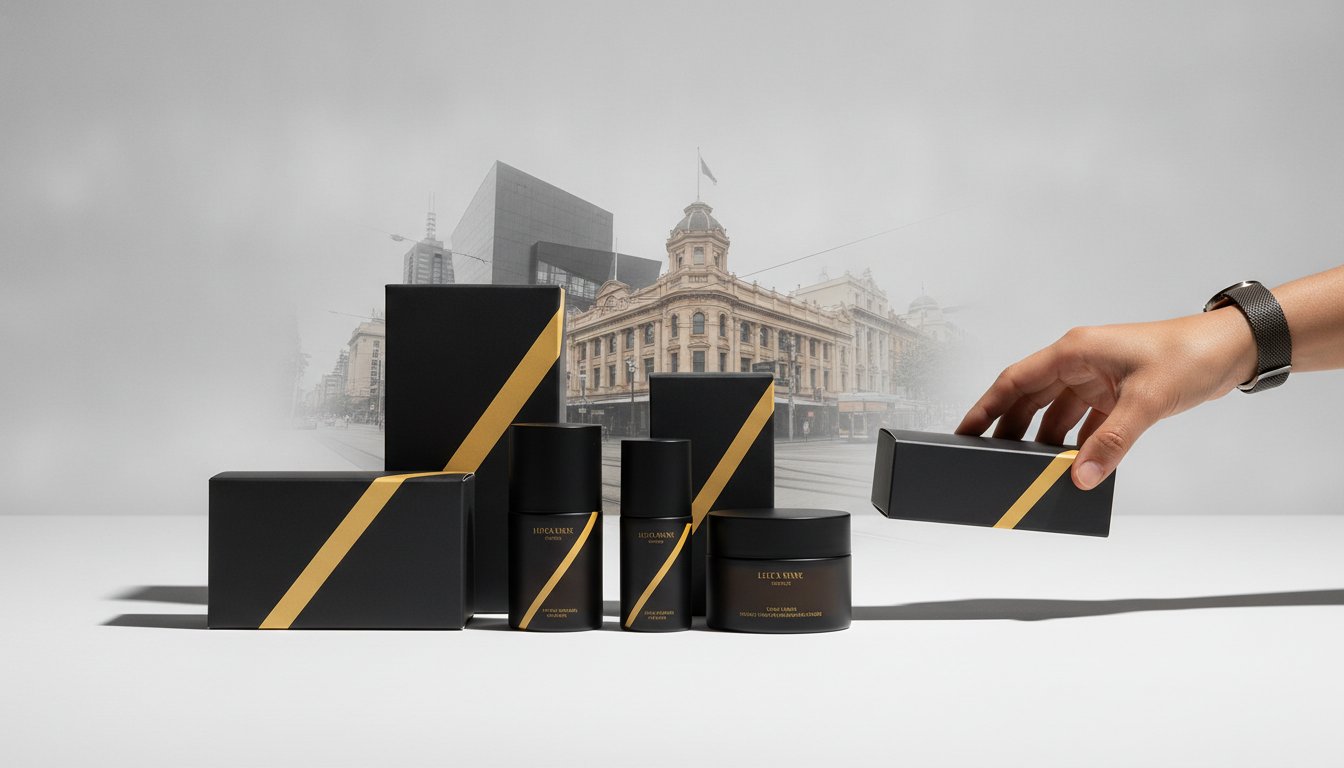
Your packaging is doing one of two things: winning customers before they even read a word, or quietly handing the sale to a competitor. If your product is sitting on a retail shelf right now looking a little lost, a little generic, or simply invisible next to the brands beside it, that's not a creative problem. It's a strategic one. And it's exactly the problem a specialist packaging design agency in Melbourne is built to solve.
You already know great packaging matters. You've felt the frustration of a design that looks "almost right" but doesn't quite land, or spent months searching for a partner who gets both the brand thinking and the technical print realities. That tension between strategy and execution is real, and it's where most brands quietly stall.
This article is here to change that. You'll discover what separates truly effective packaging from the rest, what to look for in a Melbourne design partner, and how the right collaboration can turn your product into a genuine brand ambassador. From shelf-presence to sustainable material choices, here's everything you need to move forward with confidence.
• A specialist packaging design agency in Melbourne does far more than make things look attractive — it functions as a strategic partner that aligns every design decision with your broader brand architecture and commercial goals.
• Sustainable packaging doesn't mean sacrificing premium appeal; discover how modern material choices can reinforce both your environmental values and your luxury positioning simultaneously.
• The most effective packaging emerges from a structured, discovery-led process — one that uncovers your authentic brand story before a single design element is committed to paper.
• Boutique agencies offer a distinct advantage: direct access to senior creative thinkers and agile workflows that keep your project moving without the layers of a large studio.
• From regional character to metropolitan sophistication, learn how the right design partner bridges both worlds to create packaging that resonates with Australian consumers and stands out on competitive retail shelves.
A packaging design agency in Melbourne isn't a graphic design studio with a specialty in boxes. It's a strategic partner that sits at the intersection of brand thinking, consumer psychology, and print production reality. The distinction matters enormously. When design decisions are made without a strategic foundation, you end up with packaging that looks polished in isolation but fails to connect with the right buyer at the right moment. Strategy is what turns a container into a conversion tool.
Understanding the broader packaging design principles that govern how consumers interact with products reveals something consistent: physical packaging communicates trust, quality, and personality before a single word is read. It's a silent salesperson working every hour your product sits on a shelf, and it either earns its keep or it doesn't.
Consumer choice in a retail environment happens fast. Research consistently shows that purchasing decisions are made within seconds of visual contact with a product. In that compressed window, your packaging carries the entire weight of your brand proposition. Shelf-presence is the intersection of colour, form, and brand story, and without all three working in harmony, even a brilliant product can disappear into the background.
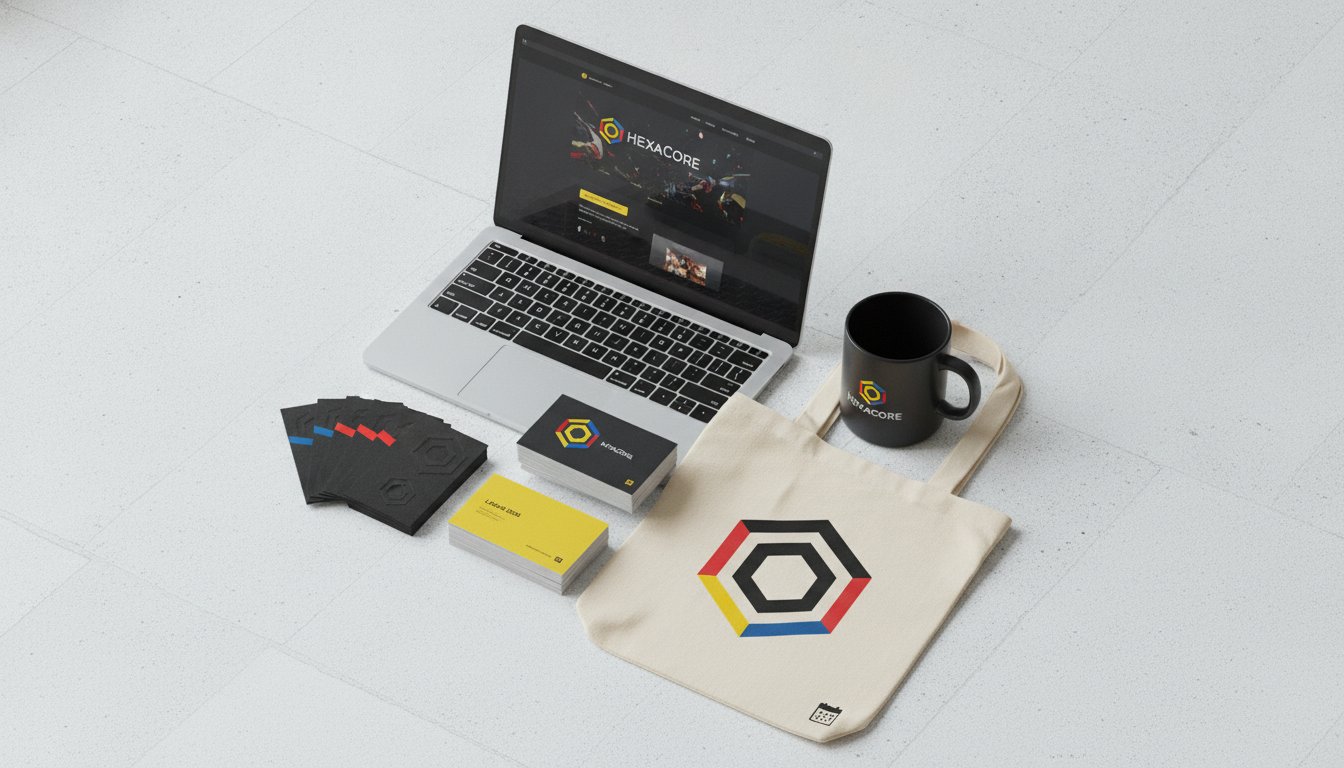
Packaging that performs isn't accidental. It's the result of deliberate alignment between your visual identity design agency goals and every physical touchpoint your customer encounters. When your packaging reflects the same strategic thinking as your broader brand architecture, the result is a product that feels coherent, considered, and worth paying for.
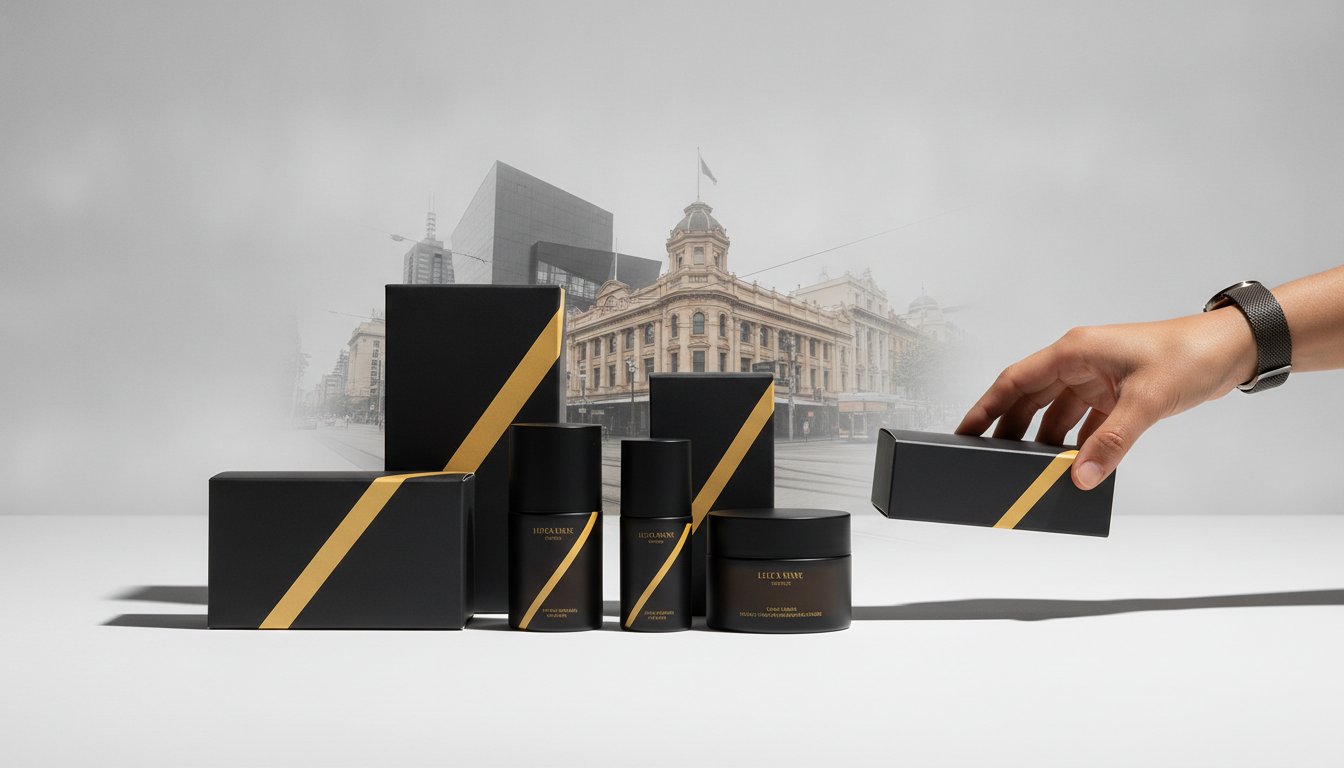
Melbourne's retail environment has grown sharper and more demanding. Independent grocers across Fitzroy, Prahran, and the inner north have become genuine tastemakers, stocking products that carry a clear point of view. High-end retail centres are curating their shelves with the same intentionality as a gallery wall. Generic packaging simply doesn't belong in these spaces.
E-commerce has added another dimension entirely. The unboxing moment has become a legitimate marketing channel, with consumers sharing first-open experiences across social platforms. That means the inside of your packaging now carries brand equity, not just the exterior.
There's also a compelling regional story unfolding. Brands from Ballarat and the surrounding Central Highlands are increasingly competing for shelf space in Melbourne CBD retailers, and the ones succeeding aren't apologising for their origins. They're using design to frame their provenance as a strength, blending regional authenticity with metropolitan sophistication. A specialist packaging design agency in Melbourne that understands both worlds, as Seamer Design does, having operated across Melbourne and Ballarat since 2002, brings a perspective that purely city-centric studios simply can't replicate.
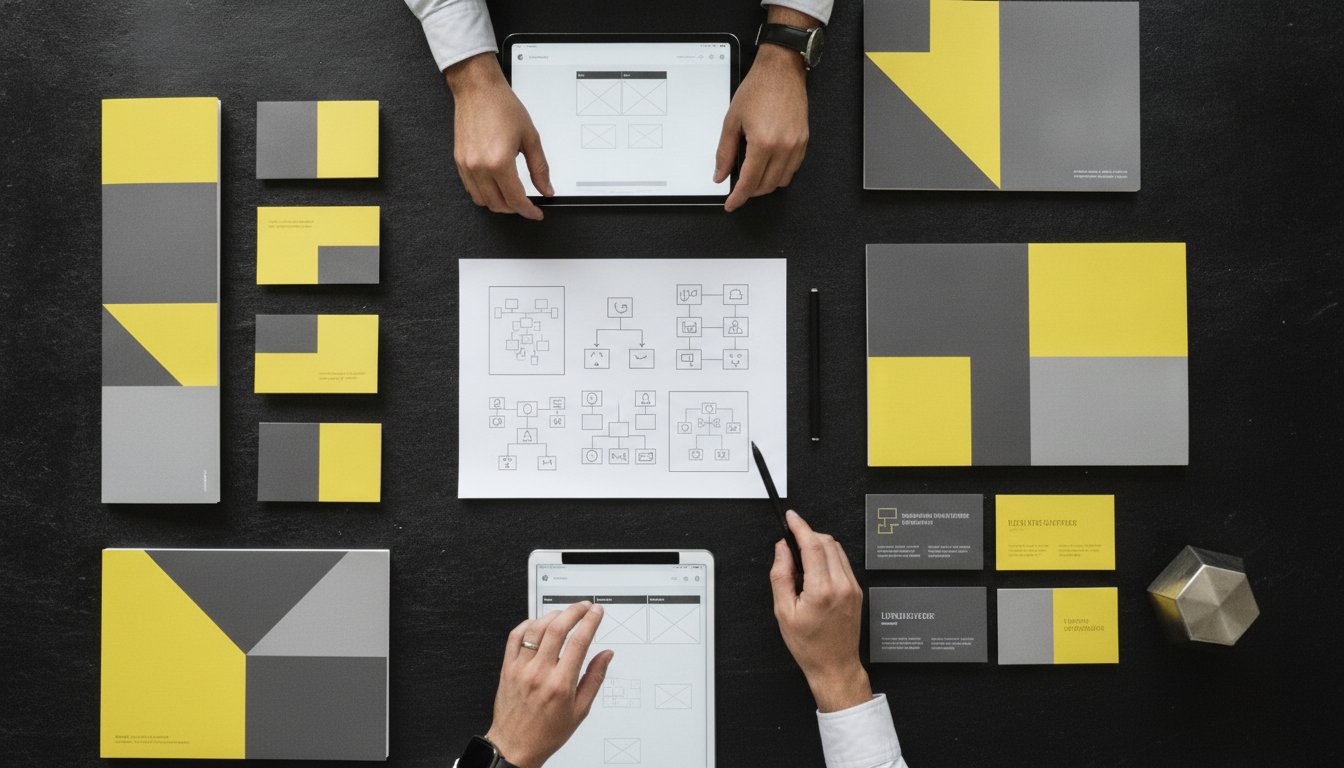
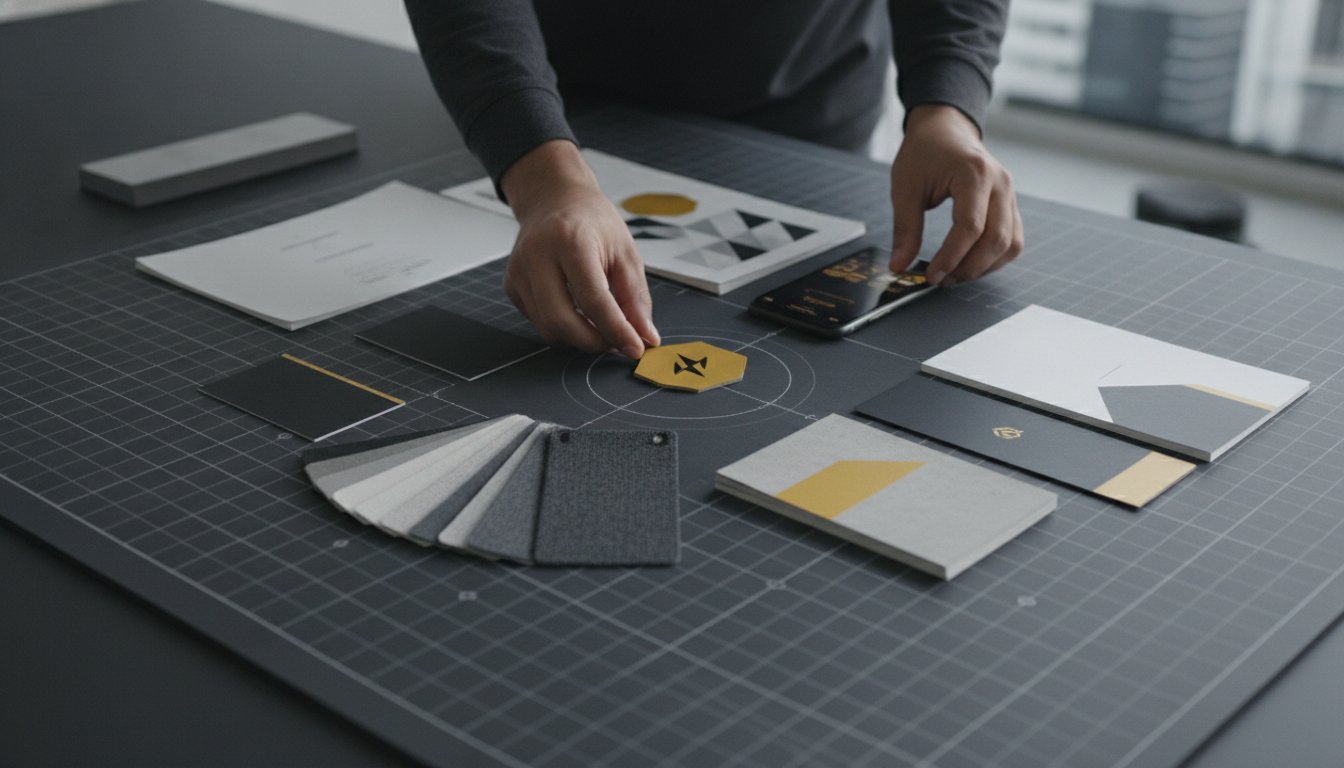
Every material tells a story before it's touched. The weight of a card stock, the texture of an uncoated surface, the subtle give of a soft-touch laminate — these aren't finishing choices. They're brand decisions. At Seamer Design, this principle sits at the core of what we call Tactile Strategy: the discipline of ensuring every physical element of your packaging reflects a deliberate brand value, not just an aesthetic preference.
It's a meaningful distinction. Packaging that looks considered but wasn't strategically built tends to unravel at scale. When a second SKU is introduced, or a seasonal variant needs to slot into the range, the cracks show. Tactile Strategy prevents that. It creates a design logic that holds across every format, every substrate, every retail environment your product enters.
For brands working through packaging design for small business challenges, this approach is especially powerful. Smaller brands often assume strategic rigour is reserved for enterprise budgets. It isn't. The discipline of connecting brand architecture to physical execution is exactly what allows a smaller producer to punch well above their weight on shelf.
A well-structured packaging system does more than look cohesive. It communicates hierarchy. Sub-brands sit clearly within a parent identity. Product tiers read as distinct without feeling disconnected. Typography carries authority without shouting, and colour palettes create instant recognition across a range without becoming monotonous.
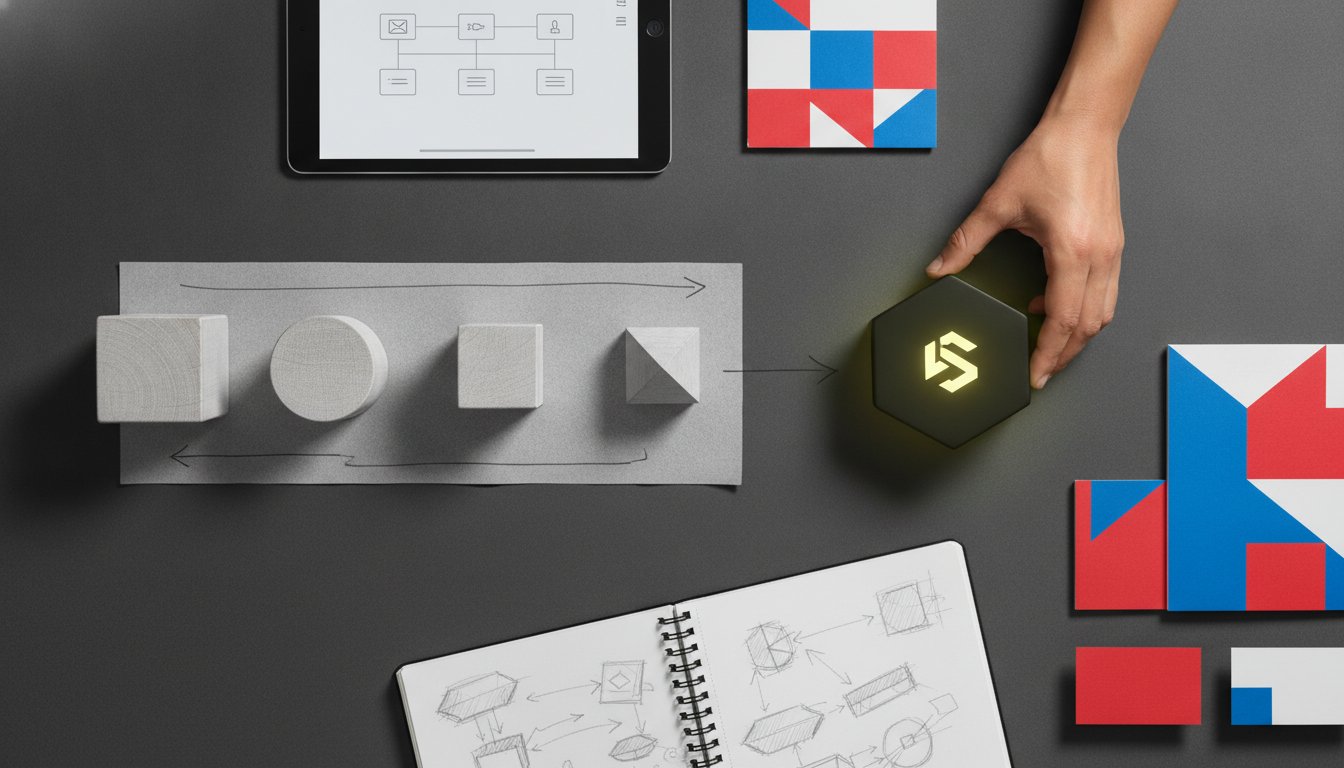
The process begins with brand architecture, not aesthetics. Before a single dieline is considered, the strategic questions are answered: What does this product promise? Who is it for? Where does it live within the broader brand family? Packaging design that starts here, rather than at the visual brief, produces results that are genuinely durable.
Bespoke dielines aren't always the answer. Sometimes a well-chosen standard format, elevated by a single hero element, delivers more impact per dollar than a fully custom structure. The skill is knowing which path serves the brand best at each stage of its growth.
Seamer Design approaches this as a practical conversation, not a creative ego exercise. Budget, production run size, and retail requirements all shape the recommendation. A custom embossed panel on an otherwise standard carton can be the detail that transforms shelf presence. One considered element, executed with precision, often outperforms a complex design spread thin.
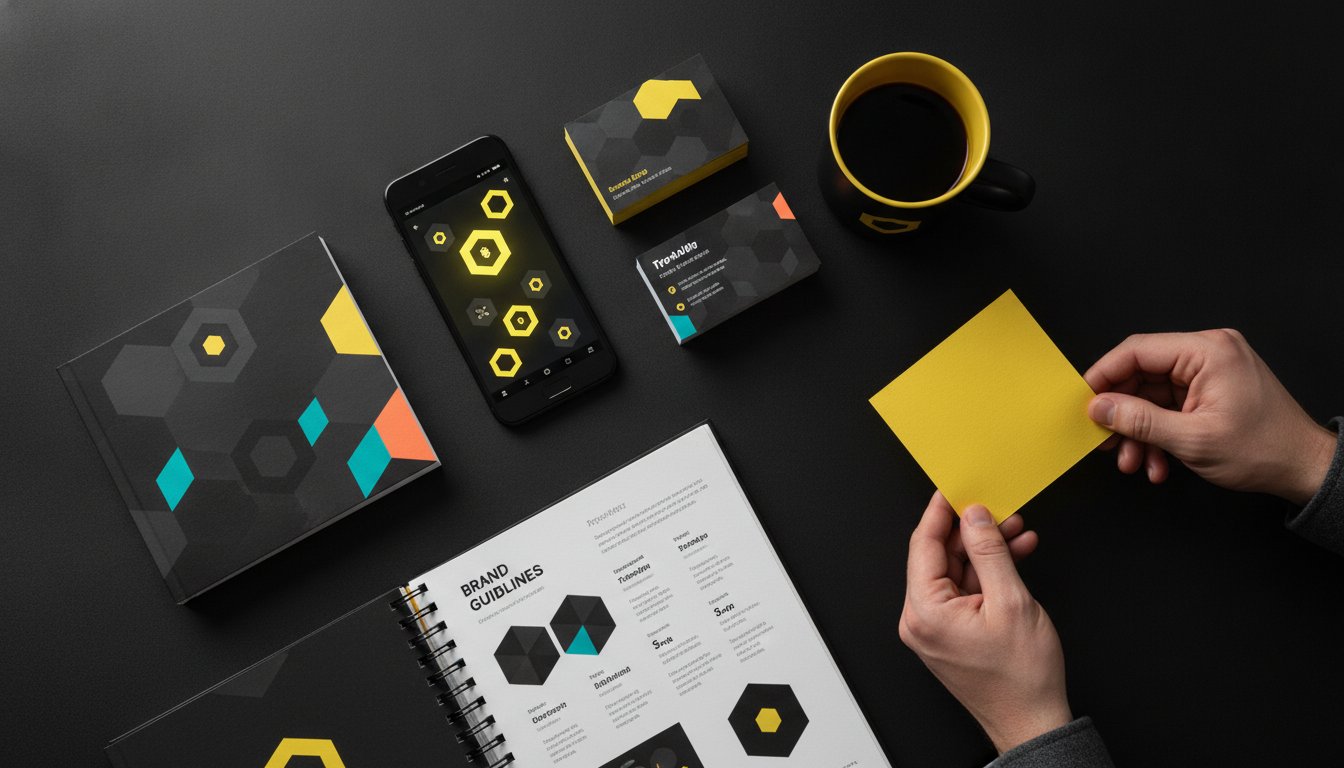
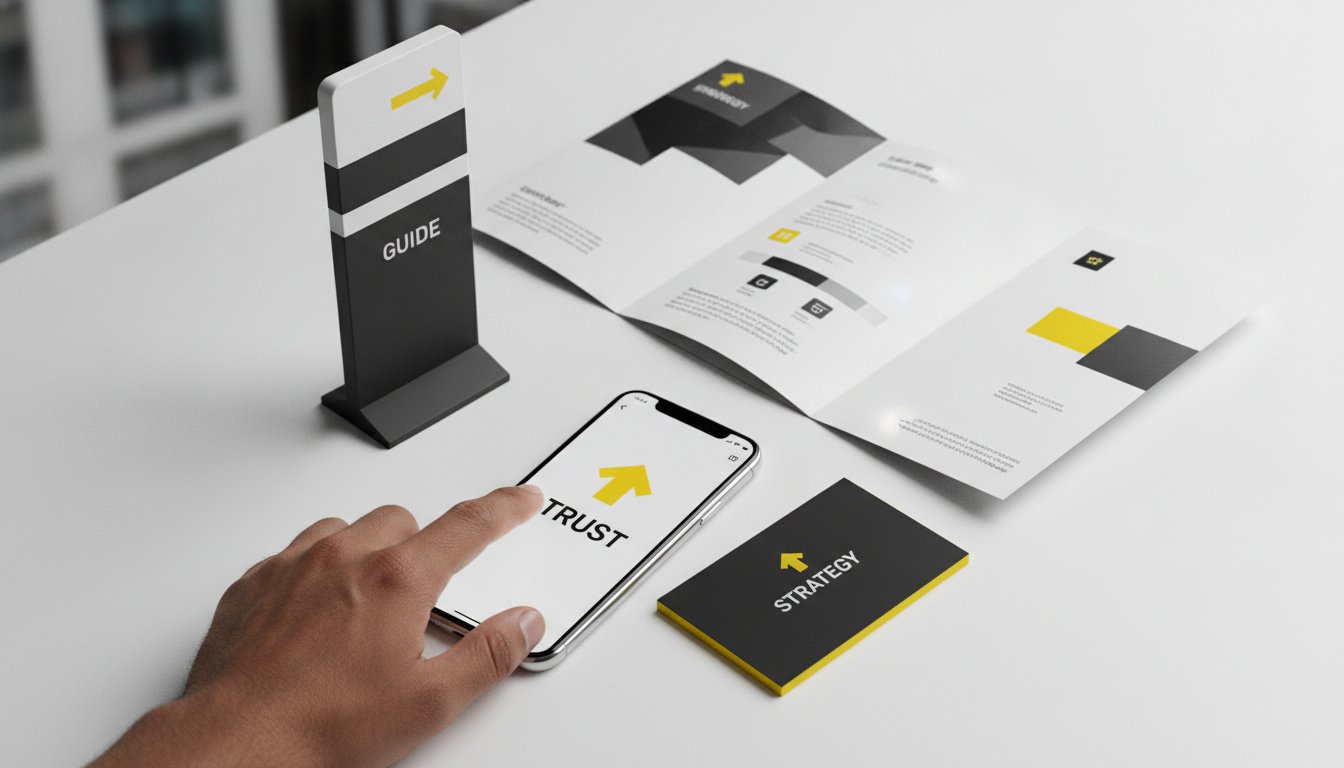
Consistency across digital and physical touchpoints is where many brands quietly lose ground. A packaging design agency in Melbourne that understands both worlds, from screen to substrate, ensures your product feels like the same brand whether a customer finds it on Instagram or picks it up in a Fitzroy bottle shop. That coherence isn't accidental. It's built, deliberately, from a shared strategic foundation.
If you're ready to build packaging that genuinely extends your brand rather than simply containing your product, explore how Seamer Design approaches brand-led packaging.
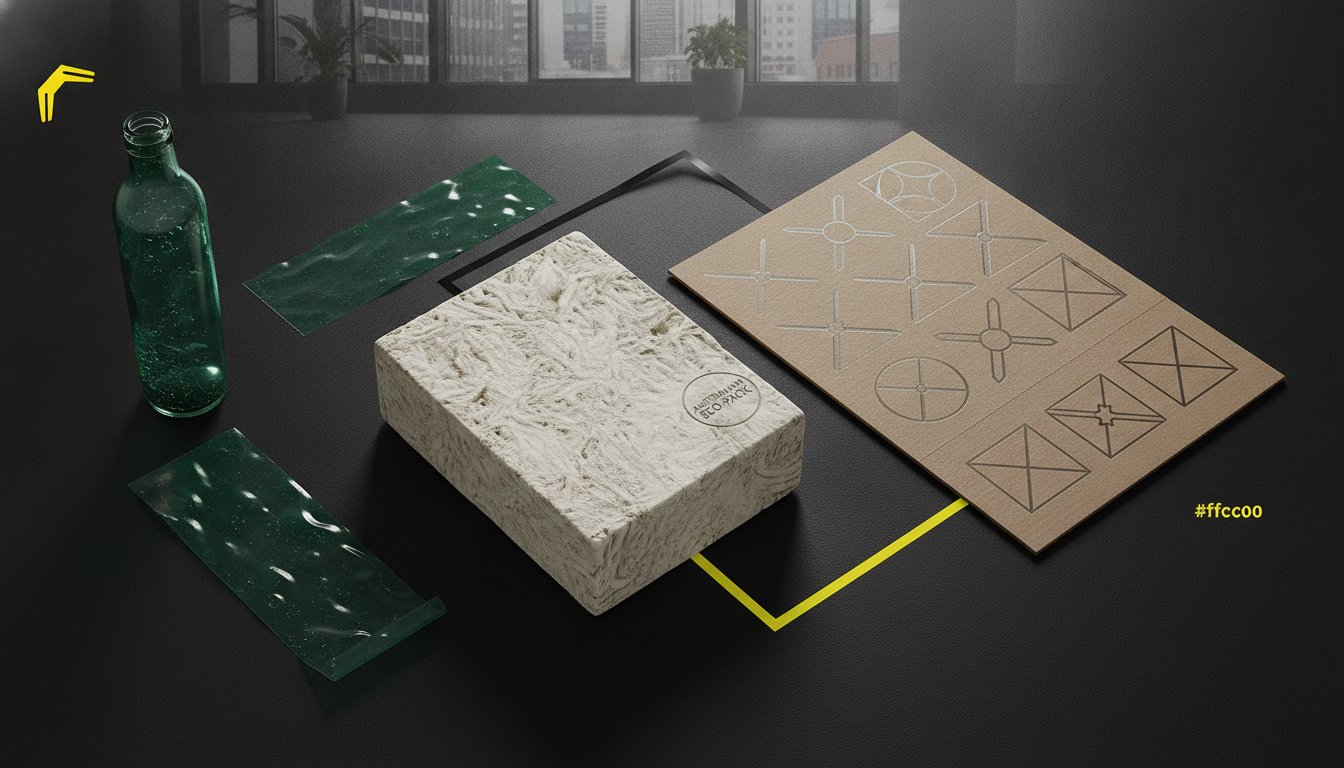
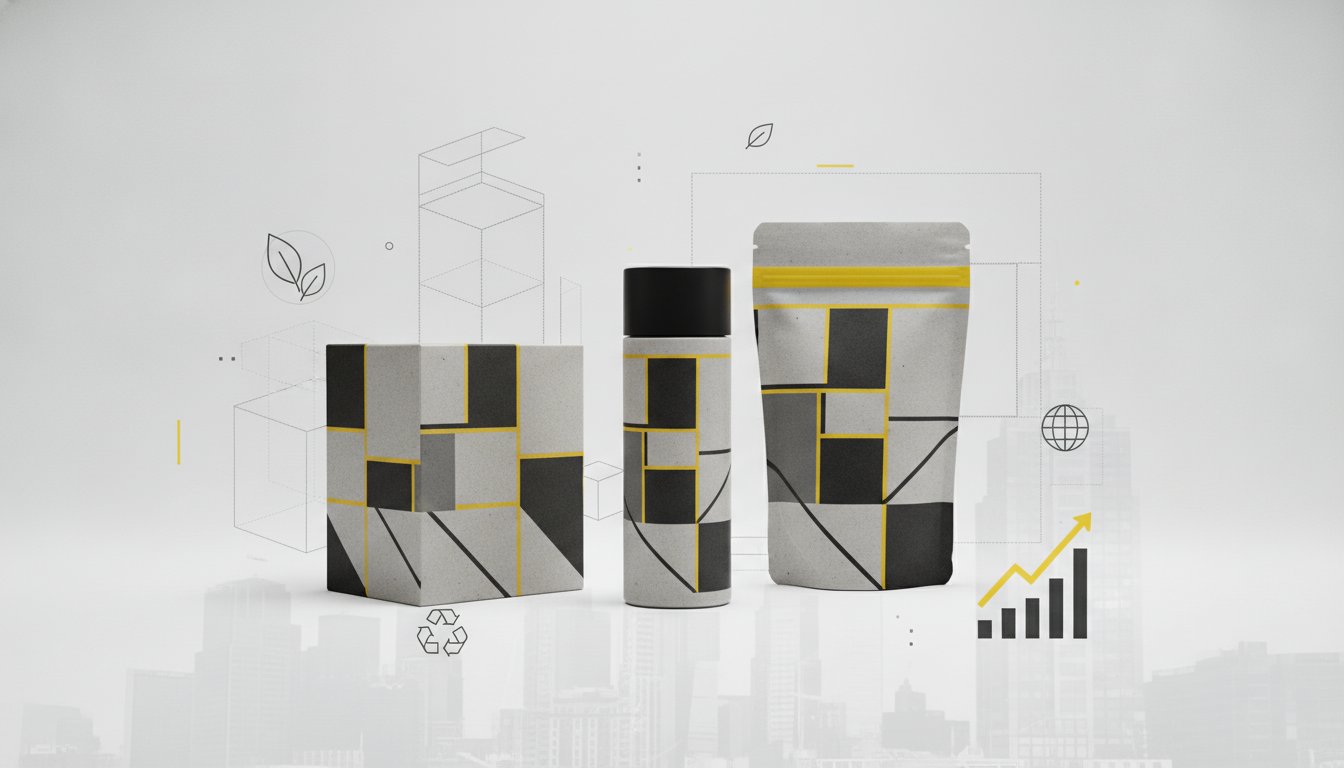
Let's address the objection directly: sustainable packaging is not the compromise it used to be. The assumption that eco-conscious materials mean brown, flat, and forgettable is one of the most persistent myths in the industry, and it's costing brands real shelf presence. The reality in 2026 is that materiality has become one of the most powerful tools a packaging design agency in Melbourne can deploy, precisely because the best sustainable materials now carry tactile richness that synthetic alternatives often can't match.
Australian consumers have moved well past passive interest in sustainability. Purchasing behaviour increasingly reflects active preference for brands that demonstrate genuine environmental accountability. The materials responding to this shift include:
that replace traditional plastic laminates without sacrificing print clarity
offering premium weight and printability with verified responsible sourcing
that extend the life of the packaging itself, turning it into a brand touchpoint long after purchase
with surface qualities that now rival virgin materials in both finish and consistency
Navigating Australian Competition and Consumer Commission guidelines around environmental claims is non-negotiable. Vague language like "eco-friendly" or "green" without substantiation creates legal exposure. The stronger design move is to let the material itself carry the story. An uncoated, textured board communicates naturalness before a single word of copy is read. That's strategic design thinking, not greenwashing.
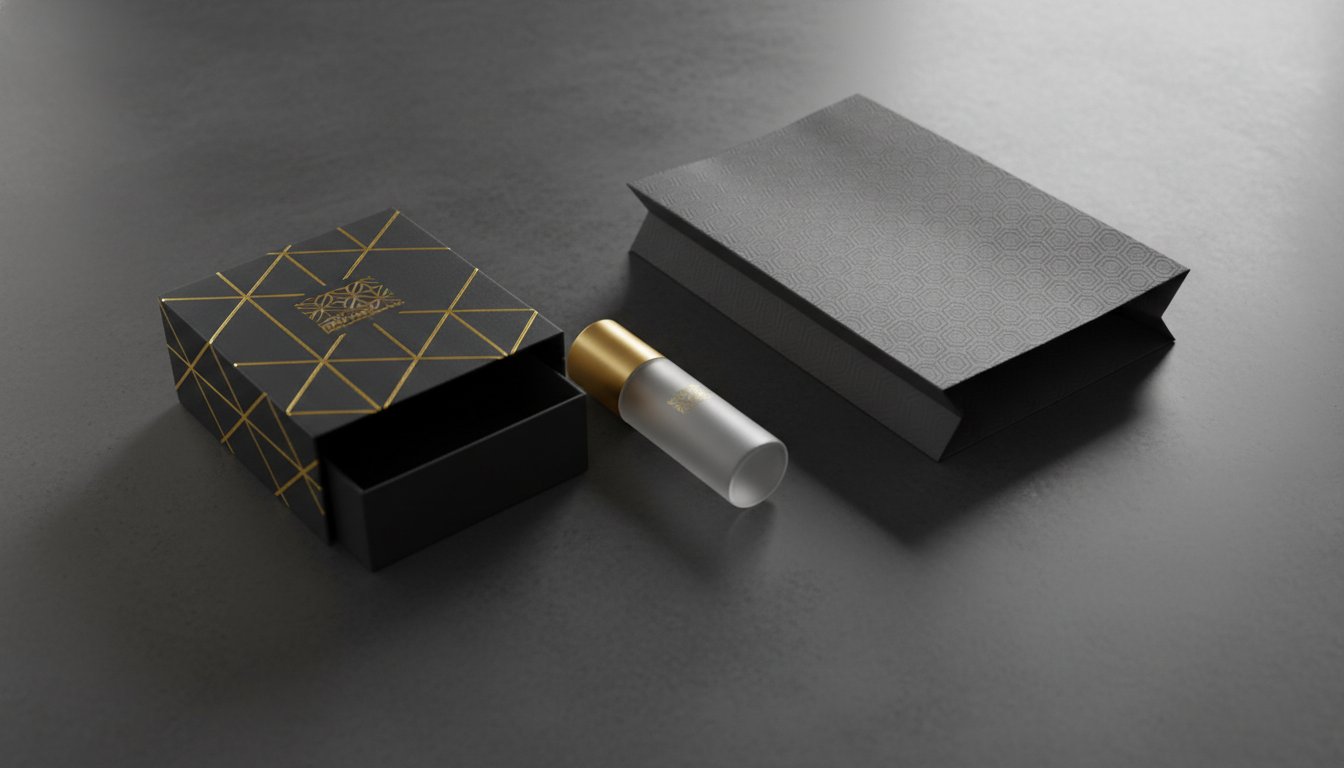
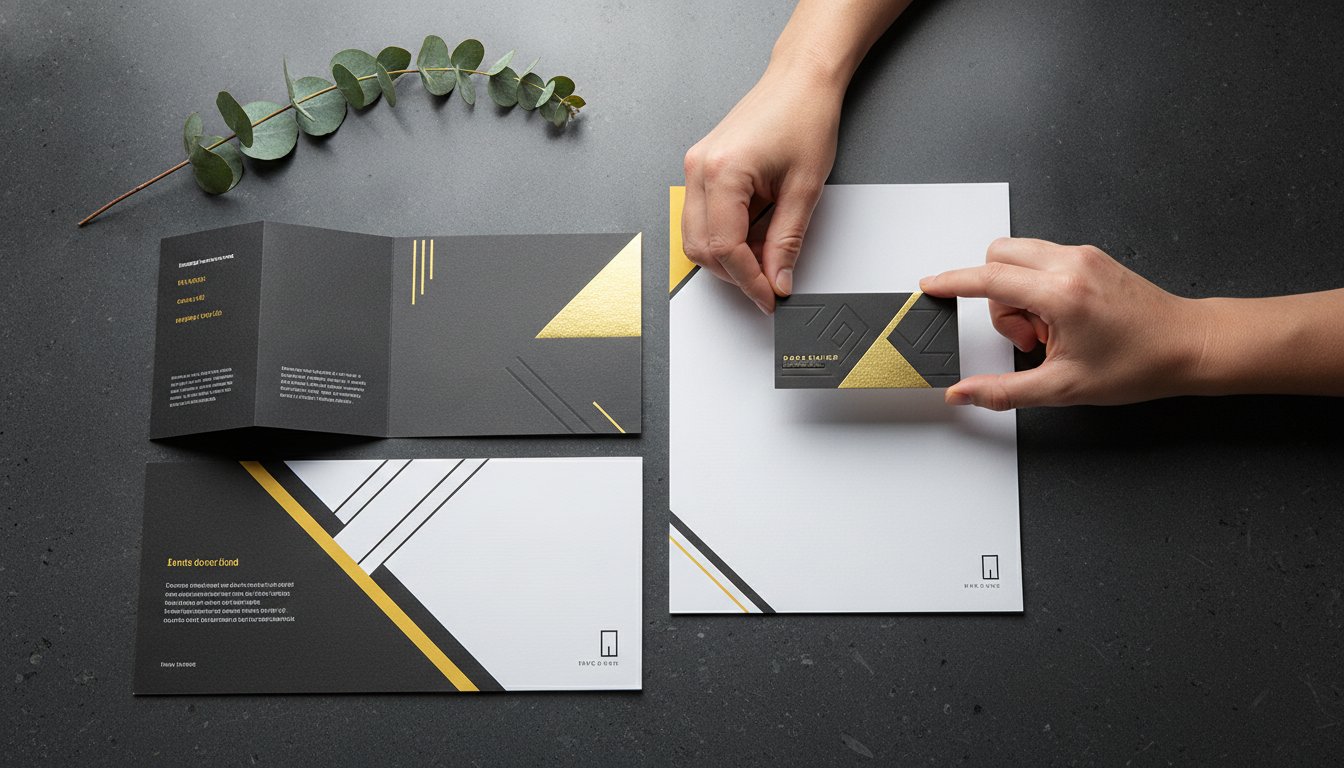
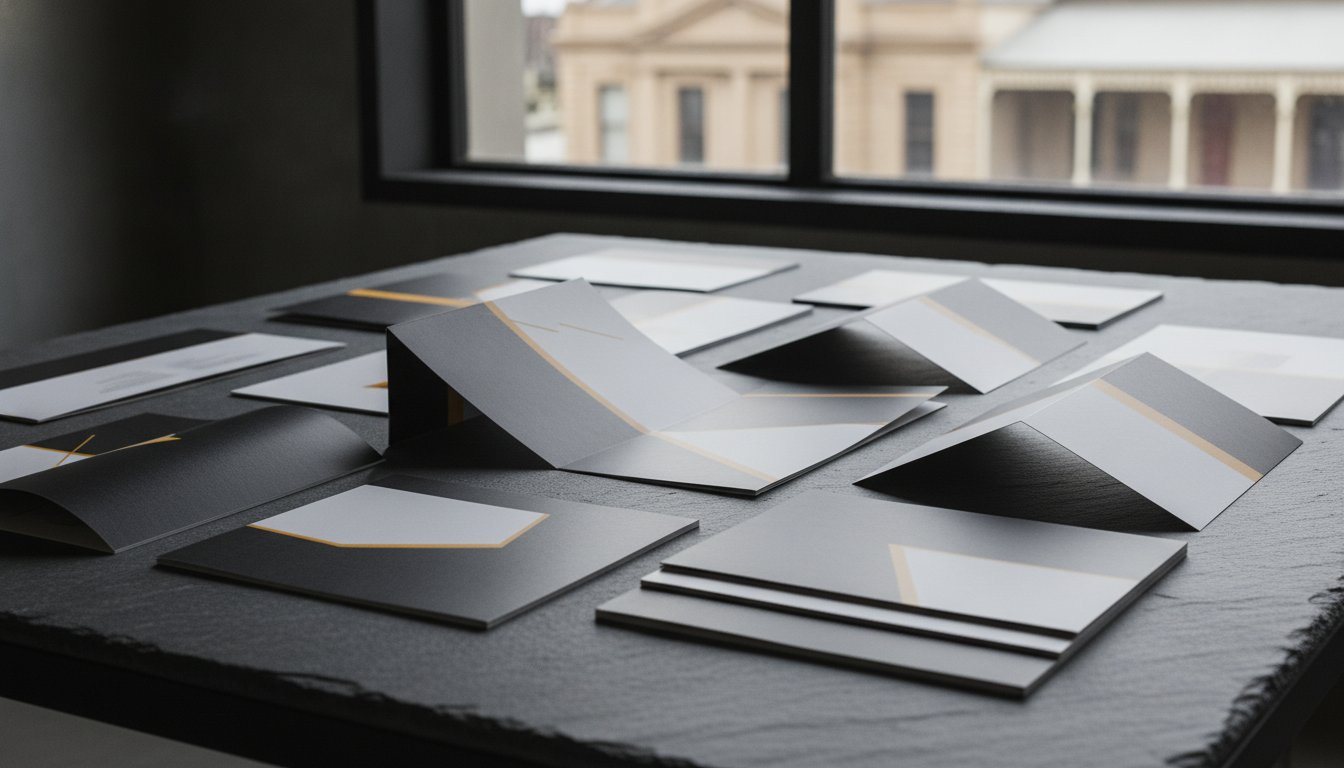
Haptic feedback is an underused brand asset. The moment a customer picks up your product, their hands begin forming a quality judgement. Soft-touch laminates, tactile embossing, and debossed typography all contribute to a sensory experience that photographs simply can't replicate. These aren't decorative extras. They're brand signals that communicate craft, care, and premium positioning.
Minimalism is the other lever. A restrained design with a single foiled element on an uncoated natural stock will consistently outperform a busy layout fighting for attention across every surface. One considered detail, executed with precision, reads as confidence. That confidence is exactly what high-end retail environments and discerning consumers respond to.
Consider a range of botanical wellness products where the only embellishment is a blind-embossed botanical illustration on a recycled kraft carton. No foil. No gloss. Just form, texture, and a considered typographic hierarchy. The result communicates provenance, quality, and environmental integrity simultaneously, without a single sustainability claim in the copy.
This is where working with a specialist packaging design agency in Melbourne pays dividends. The knowledge to match the right substrate to the right finish, within a realistic production budget, is what separates strategic design from expensive guesswork.
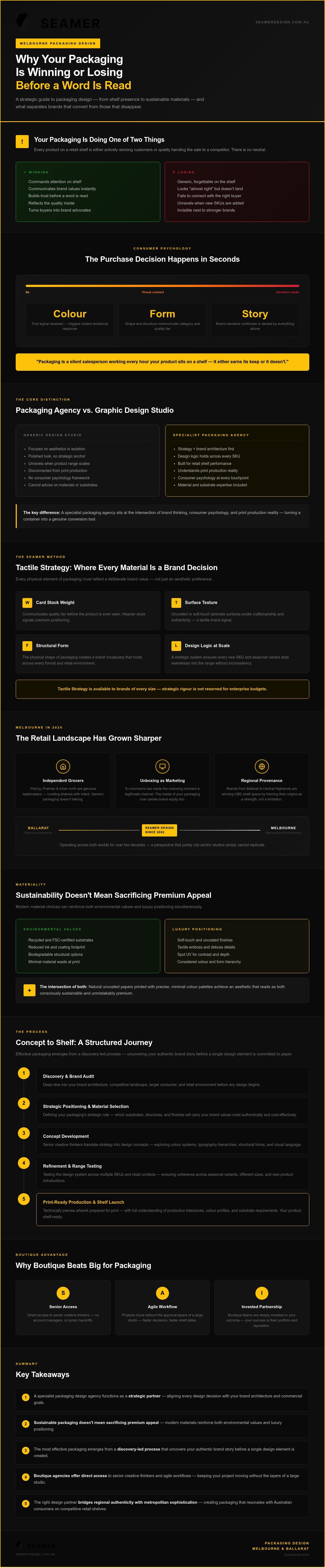
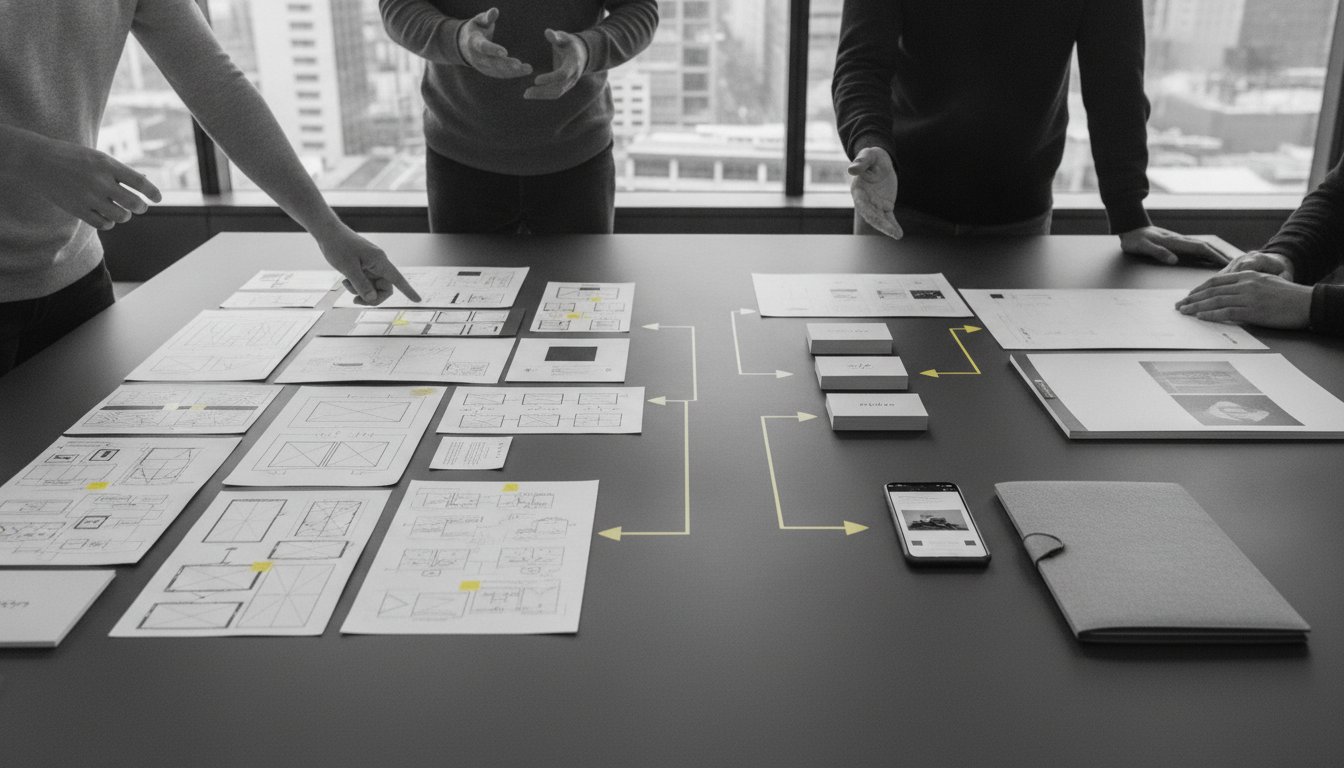
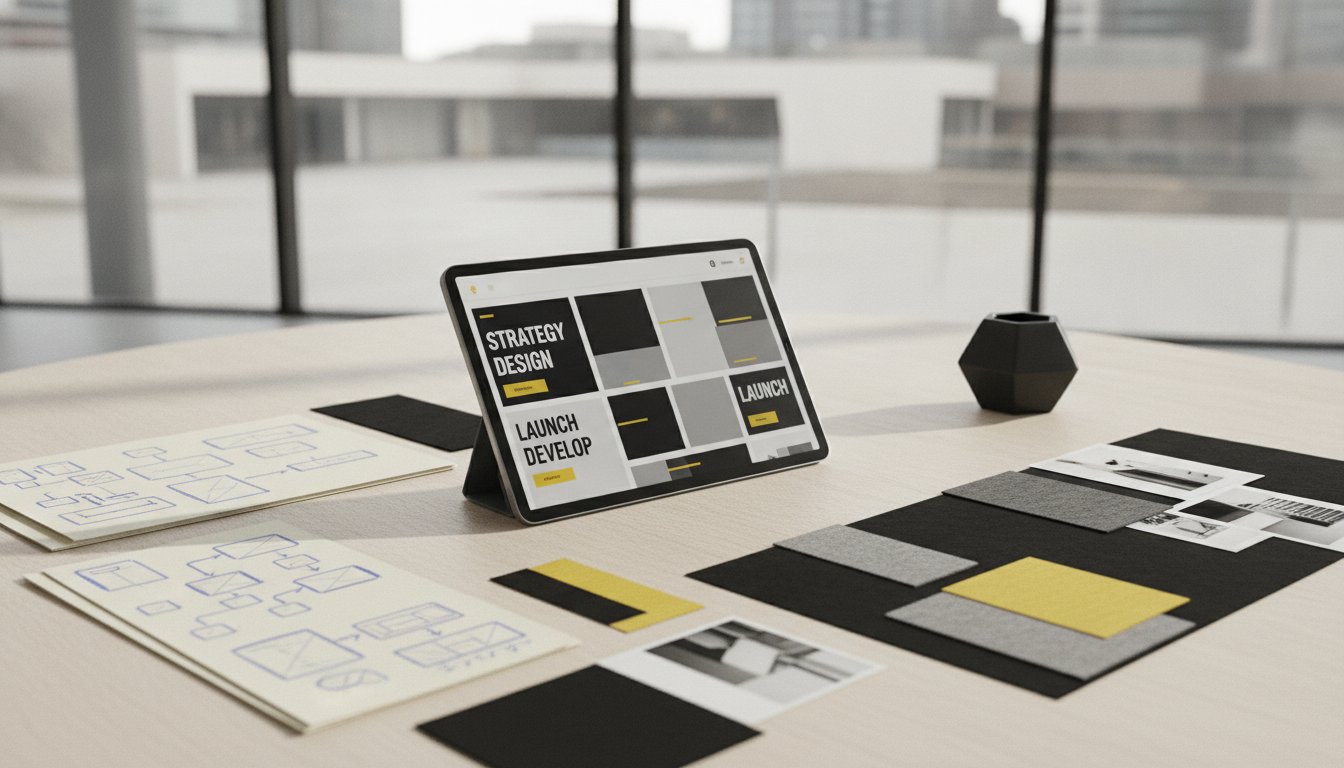
Great packaging doesn't emerge from a single inspired moment. It's built through a structured sequence of decisions, each one informed by the last. At Seamer Design, our process moves through five deliberate stages: Discovery, Strategy, Design, Technical Production, and Prototyping. Every stage earns its place. Skip one, and the cracks appear later, usually at the worst possible moment.
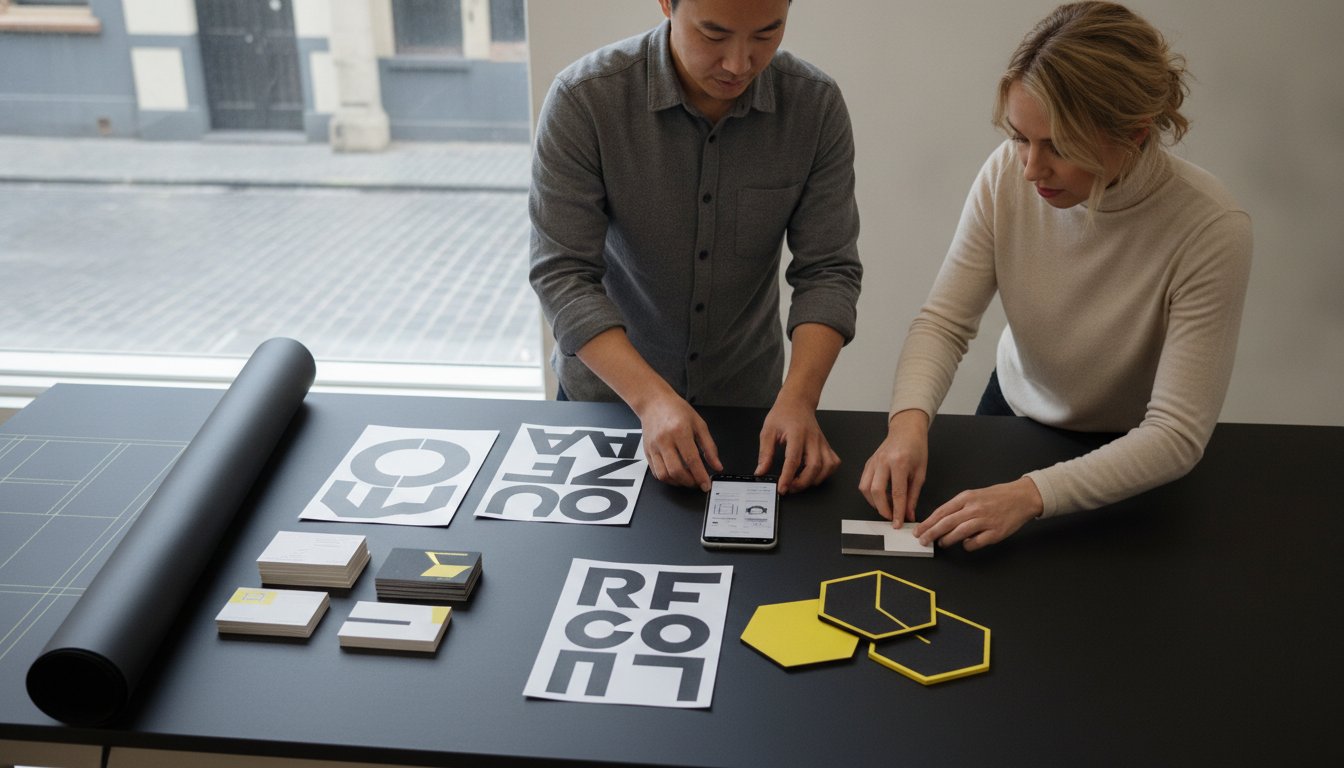
Discovery is where everything begins. Before a single design element is considered, we spend time understanding your brand at its roots. What does this product genuinely stand for? Who is buying it, and why? What does the competitive shelf environment actually look like? This phase isn't a formality. It's the difference between packaging that reflects a real brand story and packaging that simply fills a brief. Authentic brands are uncovered, not invented, and Discovery is where that uncovering happens.
From there, Strategy translates those insights into a clear design direction. The Design phase brings that direction to life visually. And then the work gets technical.
A beautiful design that can't be printed accurately is a liability, not an asset. Technical production is where a specialist packaging design agency in Melbourne earns its keep in ways that generalist studios simply can't. Managing barcodes, nutritional panels, allergen declarations, and country-of-origin requirements demands precision. A single misplaced element or an incorrect colour profile can mean a rejected print run or, worse, a compliance issue at retail.
Designing for the press means understanding how colours shift between screen and substrate, how trapping works, and how ink behaves on different stock weights. It's a discipline that protects your investment at every stage. Seamer Design liaises directly with printers throughout this phase, ensuring the final product matches the creative vision rather than arriving as a costly surprise.
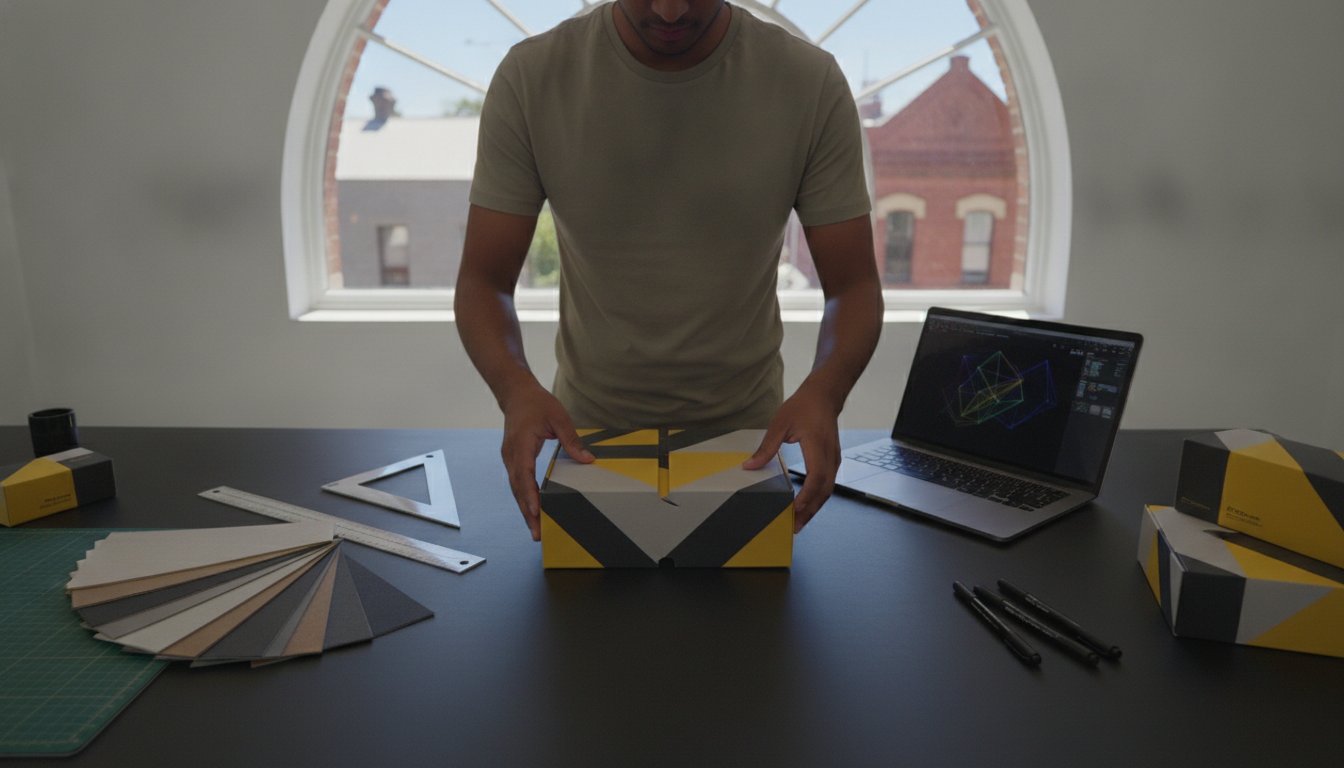
Seeing a design on screen and holding it in your hands are two entirely different experiences. Physical mock-ups and detailed 3D renders close that gap before a full print run commits your budget. They reveal how the structure performs, how the label reads from a metre away, and whether the design holds its shelf-impact when surrounded by competing products.
Iterative feedback loops at this stage reduce risk significantly. A design that looks confident in isolation might read differently when placed beside six other products on a shelf. Testing that reality early, while changes are still straightforward, is the kind of rigour that separates a considered process from an expensive gamble.
Ready to take your product from concept to shelf with a process built on genuine strategic depth? Talk to Seamer Design about your packaging project.
Twenty-plus years in the field teaches you things that no design brief can capture. Since 2002, Seamer Design has worked across both the graphic design Ballarat market and Melbourne's competitive retail landscape, building a perspective that purely metropolitan agencies simply don't carry. That dual fluency, regional authenticity paired with metropolitan sophistication, is a genuine competitive advantage for brands that need to resonate across both worlds.
Growing mid-market brands are often caught in a frustrating gap. Too complex for a freelancer, too agile for a large agency. Most studios either serve enterprise FMCG clients with enormous budgets or micro-producers with minimal requirements. The brands in between, those with serious growth ambitions and genuine brand stories to tell, deserve a packaging design agency in Melbourne that's built for exactly that stage.
Working with a boutique agency means you're not handed off to a junior team after the pitch. At Seamer Design, senior creative thinkers are present from the first conversation to the final print approval. The team functions as an extension of your business, not a vendor at arm's length. Decisions move faster. Feedback loops are tighter. And the work reflects a genuine understanding of what your brand is trying to become, not just what it currently is.
That agility matters. When a retail opportunity emerges quickly, or a product line needs to expand ahead of schedule, a collaborative boutique partner adapts without the bureaucratic drag of a large studio. Our commitment isn't to a single project. It's to building brands that endure well beyond the first sale.
Arriving prepared to an initial consultation makes a real difference. Consider bringing:
, and packaging you want to move away from
, including any existing logo files, colour palettes, or brand guidelines
, specifically where your product will be sold and who it sits beside on shelf
, including approximate run sizes and any known printing constraints
Project fees are structured transparently from the outset. Scope, deliverables, and timelines are clearly defined before work begins, so there are no surprises mid-project. That clarity protects your budget and keeps the creative process focused on what matters: producing packaging that genuinely performs.
Your product deserves to be seen. Not just noticed, but understood, trusted, and chosen. Let's start a conversation about your packaging today.
Packaging isn't decoration. It's the first conversation your brand has with a customer, and it either builds trust or loses the sale in seconds. Throughout this article, you've seen how strategic thinking, material intelligence, and technical rigour combine to create packaging that genuinely performs on shelf. You've also seen why the right creative partner makes all the difference.
Choosing a packaging design agency in Melbourne with over 20 years of experience means you're not starting from scratch with someone who's still finding their footing. Seamer Design brings boutique-level attention and national-calibre results to every project, with deep roots across both Melbourne and Ballarat retail markets. Senior creative thinkers work with you from the first conversation to the final print approval, no handoffs, no guesswork.
Your product deserves to be chosen, not overlooked. Elevate your brand with Seamer Design's strategic packaging expertise and start building packaging that genuinely earns its place on shelf.
A packaging design agency translates your brand strategy into physical form. That means developing structural concepts, creating print-ready artwork, managing technical compliance requirements like barcodes and allergen declarations, and liaising with printers to ensure the final product matches the creative vision. It's the full journey from brand brief to shelf-ready product, not just making something look attractive.
At Seamer Design, the work starts well before any visual decisions are made. Discovery, strategy, and brand architecture come first. Design follows. That sequence is what produces packaging with genuine commercial purpose rather than surface-level appeal.
Packaging design investment varies considerably depending on project scope, the number of SKUs involved, structural complexity, and whether the project requires a full brand strategy phase or builds on existing brand assets. Rather than quoting a figure that won't reflect your actual situation, we recommend having a direct conversation about your specific requirements. Seamer Design structures fees transparently, with scope and deliverables clearly defined before work begins.
What's worth understanding is that the cost of under-investing in packaging design often exceeds the design fee itself. Poor shelf performance, reprints due to technical errors, or packaging that doesn't scale across a product range all carry real financial consequences.
A straightforward single-SKU project with existing brand assets in place typically moves through design and print-ready artwork in four to eight weeks. More complex projects involving brand strategy development, multiple product variants, or custom structural design naturally take longer. Timeline is always discussed upfront so your production schedule and retail deadlines are factored in from the start.
Rushing the process is where projects run into trouble. Skipping discovery or compressing the technical production phase is where costly errors tend to surface, usually at the printer rather than the design desk.
Absolutely. Sustainable material selection is a core part of the packaging design process at Seamer Design, not an add-on. FSC-certified board stocks, recycled-content substrates, compostable liners, and reusable rigid formats are all options we navigate with clients based on their product requirements, production run sizes, and brand positioning.
One important note: Australian consumer law requires that environmental claims be substantiated. Vague language creates legal exposure. The stronger approach is letting your material choices communicate your values directly, which is a design decision as much as an ethical one.
Seamer Design delivers print-ready artwork and liaises directly with printers throughout the production phase to ensure technical accuracy and colour fidelity. We don't operate as a print broker or take margin on print production. Our role is to ensure the design survives the journey from screen to substrate without compromise, working alongside your existing printer or recommending trusted suppliers suited to your specific format and run size.
The most useful things to bring to an initial conversation are your existing brand assets (logo files, colour palettes, any current guidelines), examples of packaging you admire and packaging you want to move away from, clarity on where your product will be sold and what surrounds it on shelf, and any known production parameters like approximate print run quantities or manufacturer specifications.
You don't need to arrive with everything resolved. Part of what a packaging design agency in Melbourne does well is asking the right questions to surface what you may not have considered yet. Coming prepared simply makes that conversation more productive from the outset.
Technical compatibility with your manufacturer is built into the process, not checked at the end. Dielines are developed to match the structural specifications your manufacturer works with, and print files are prepared to the exact tolerances required for your chosen substrate and printing method. If there are specific constraints from your manufacturer, those are gathered early and designed around rather than retrofitted later.
Direct communication between our team and your manufacturer or printer during the production phase catches any discrepancies before they become expensive problems. That liaison is part of the service, not an optional extra.
Seamer Design has operated across both Ballarat and Melbourne since 2002, which means you're not choosing between regional understanding and metropolitan sophistication. You're getting both. Ballarat-based brands competing for shelf space in Melbourne retailers need packaging that carries genuine provenance without feeling parochial, and that balance requires a design partner who genuinely understands both markets.
The practical reality is that geography matters far less than strategic alignment. Seamer Design works collaboratively with clients regardless of location, and the dual-market perspective we bring is a genuine advantage for regional brands with serious growth ambitions.




.jpg)
.jpg)
%20(1).jpg)