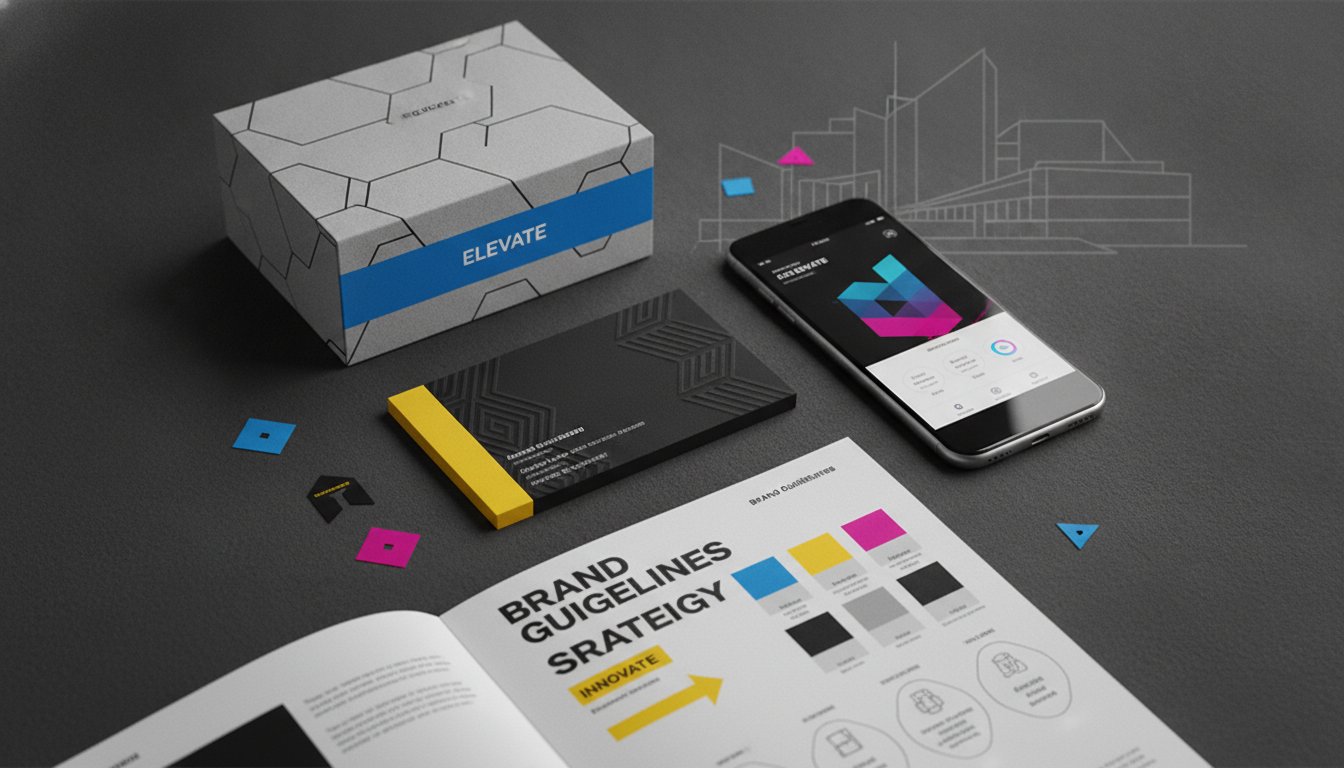
A rebrand is not a cosmetic update. It is a strategic transformation. When executed with precision, it elevates your business to a premium market position. When rushed, it risks erasing decades of brand equity in a single launch. Understanding the common mistakes to avoid when rebranding is the difference between a visionary leap and a costly retreat. A bold vision. A grounded strategy. You shouldn't have to choose between modern relevance and the trust you've already built.
We agree that the stakes are high, especially as 61% of Australian marketers shift their focus back to long-term brand building in 2026. You want a fresh identity that resonates with a sophisticated audience without alienating your loyal base or facing resistance from your team. This guide provides a clear roadmap to protect your investment and ensure a seamless transition. We will examine how to bridge the gap between your current state and a more sophisticated future. From managing organisational buy-in to maintaining visual consistency, discover the path to a brand that doesn't just look better, but performs better.
• Shift focus from surface-level aesthetics to deep brand strategy to ensure your new identity reflects your business's core truth.
• Ground creative choices in audience data rather than personal preference to build an authentic connection with premium consumers.
• Engage your internal team early in the process to prevent resistance and ensure your staff genuinely embody the new brand values.
• Identify the critical mistakes to avoid when rebranding to protect your established brand equity and prevent budget wastage on ineffective design.
• Execute a unified rollout across all digital and physical touchpoints to maintain a consistent, professional presence during the transition.
A logo is a signature, not a strategy. Treating a rebrand as a purely cosmetic exercise is a gamble with your reputation. When you change your visual identity without refining your underlying purpose, you send mixed signals to a market that values transparency. This disconnect often leads to the "Logo-Only Trap" where a business looks modern but feels stagnant. One of the most expensive mistakes to avoid when rebranding is prioritising aesthetics over authentic substance.
Surface-level changes often chase fleeting design trends that date within eighteen months. While a minimalist serif font or a specific colour palette might feel relevant today, true brand equity is built on longevity. A lack of strategic purpose leads to a brand that looks good but says nothing. The financial impact is real. Correcting a misaligned identity often requires a "re-rebrand" within a few years, doubling your initial investment and exhausting your team's morale.
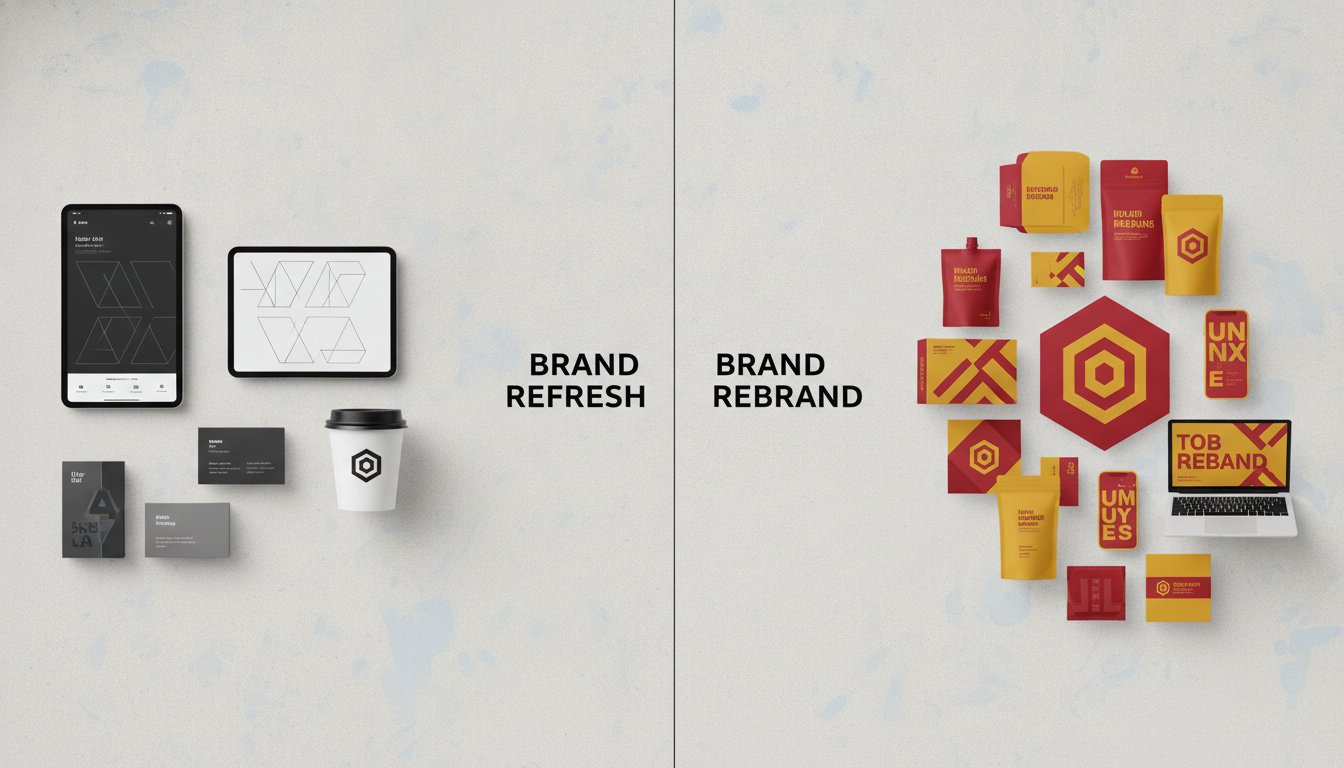
Deciding between a refresh and a full rebrand requires a clear-eyed evaluation of your existing brand equity. A refresh evolves your current look to stay contemporary. It's about refinement. A full rebrand is a clean slate, usually triggered by a fundamental shift in business direction or a merger. We've seen Australian brands pivot too far from their roots, losing the trust of loyal customers who no longer recognise the values they once supported. Always audit your heritage before you reach for the eraser.
In competitive hubs like Melbourne and regional centres like Ballarat, blending in is the quickest way to become invisible. Many businesses fall into the trap of copying a successful competitor's aesthetic, hoping to capture the same premium audience. This "Me-Too" approach creates a sea of sameness. Your goal is to find the "white space" where your competitors aren't playing. By partnering with a graphic design ballarat expert, you can uncover local market nuances and build a visual identity that differentiates rather than duplicates. Differentiation is the only path to market relevance.
Subjectivity is the silent killer of brand impact. Choosing a colour palette because a director "just likes blue" is one of the primary mistakes to avoid when rebranding. Design is a functional tool for communication. It is not a canvas for personal preference. Every visual choice must serve a strategic purpose.
Data provides the foundation for these choices. According to the 2025 Edelman Trust Barometer, 81% of consumers need to trust a brand before they consider a purchase. Trust isn't built on aesthetics alone; it's built on relevance. Audience personas allow you to step outside your own perspective. They help you see your business through the eyes of those you serve.
For regional businesses, local insights are invaluable. Gathering qualitative data from your loyal Ballarat customers reveals the emotional triggers that keep them coming back. Brand discovery sessions act as a catalyst for this truth. They uncover the "why" behind your organisation. This ensures your new identity is grounded in reality rather than assumption. Building a brand on data requires a partner who can translate insights into impact. Explore how a bespoke brand strategy can future-proof your business.
You cannot solve a problem you haven't defined. The discovery phase is essential for identifying the gap between your current perception and your desired future. It forces you to answer difficult questions about your unique value and market position. External agencies provide the objective lens that internal teams often lack. We see the patterns you are too close to notice.
A rebrand should last a decade, not a season. You must design for where your business will be in 2030, not just the challenges of 2026. Avoid names or taglines that limit your service offerings or geographic reach. Scalability is a core requirement of modern design. Partnering with a sophisticated visual identity design agency ensures your brand has the flexibility to grow as your ambitions expand.
Your brand lives in your people. It is not merely a collection of digital assets or a fresh coat of paint on a building. If your staff don't understand or believe in the new direction, your rebrand will remain a surface-level exercise. Neglecting internal alignment is one of the most damaging mistakes to avoid when rebranding. When your team is disconnected from your vision, you risk "Brand Schizophrenia." This occurs when your visual identity promises a premium experience that your culture cannot yet deliver.
Staff are your most influential ambassadors. They carry your message into every client meeting and customer interaction. A strategic overhaul is often a long-term process that can trigger change fatigue. You must manage this energy. Maintain momentum by involving your team in the journey rather than just announcing the destination. Getting buy-in from long-term stakeholders and directors requires more than a presentation; it requires a shared sense of purpose and a clear understanding of the transformative potential of the work.
Education is the bridge between a new logo and a new culture. Don't just distribute a style guide and expect compliance. Train your team on the "Why" behind the identity. Provide the practical tools they need to execute the brand correctly across all channels. Whether they are based in a Melbourne head office or a Ballarat studio, every employee should feel a sense of brand pride. This internal clarity ensures that your external message remains consistent and powerful.
Transparency reduces friction. You can pre-emptively address customer concerns by being open about the reasons for the change. Consider "soft-launching" key concepts to a select group of loyal clients. Their feedback is a valuable data point. It allows you to refine your approach before a full market rollout. By involving your community, you turn potential critics into vocal advocates. A rebrand is an invitation to a conversation, not just a broadcast. Listen as much as you lead.
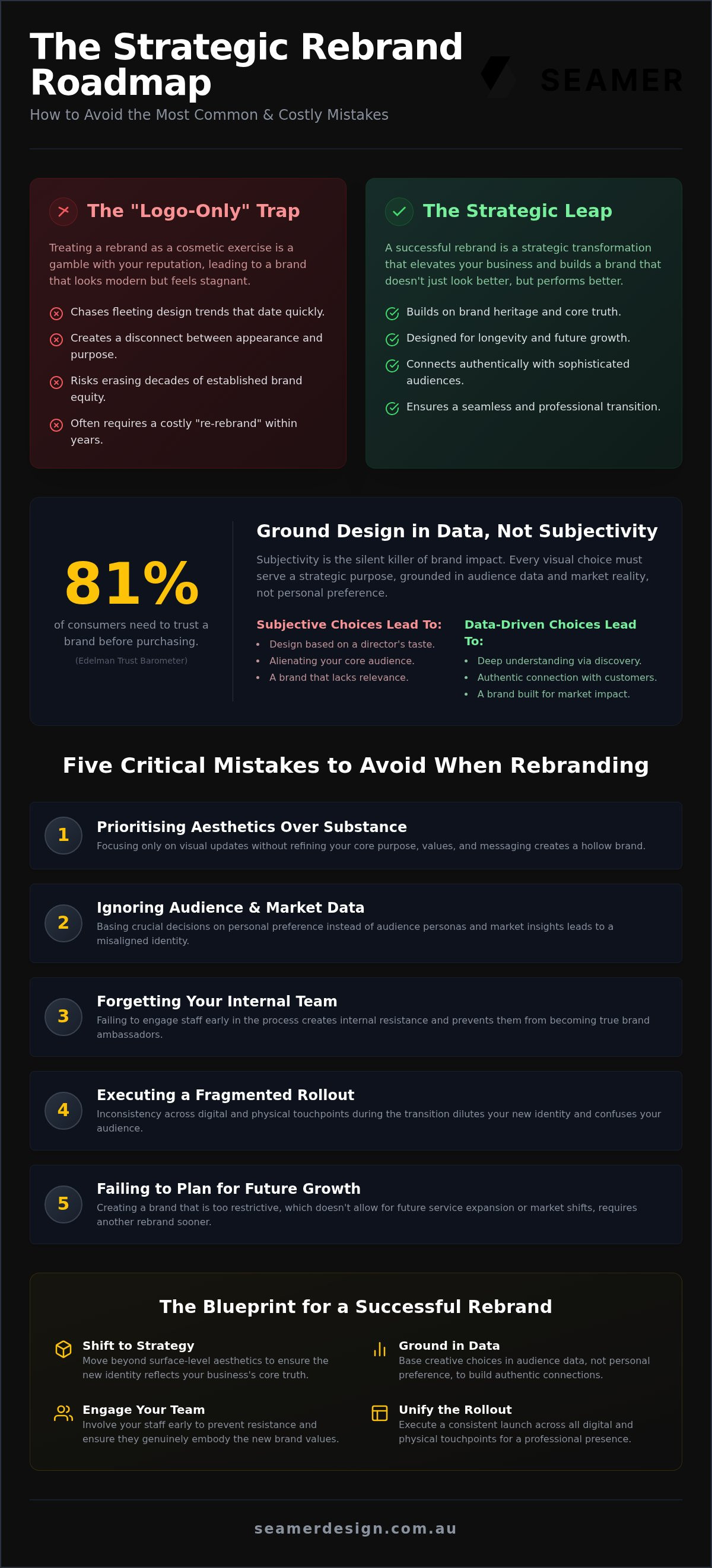
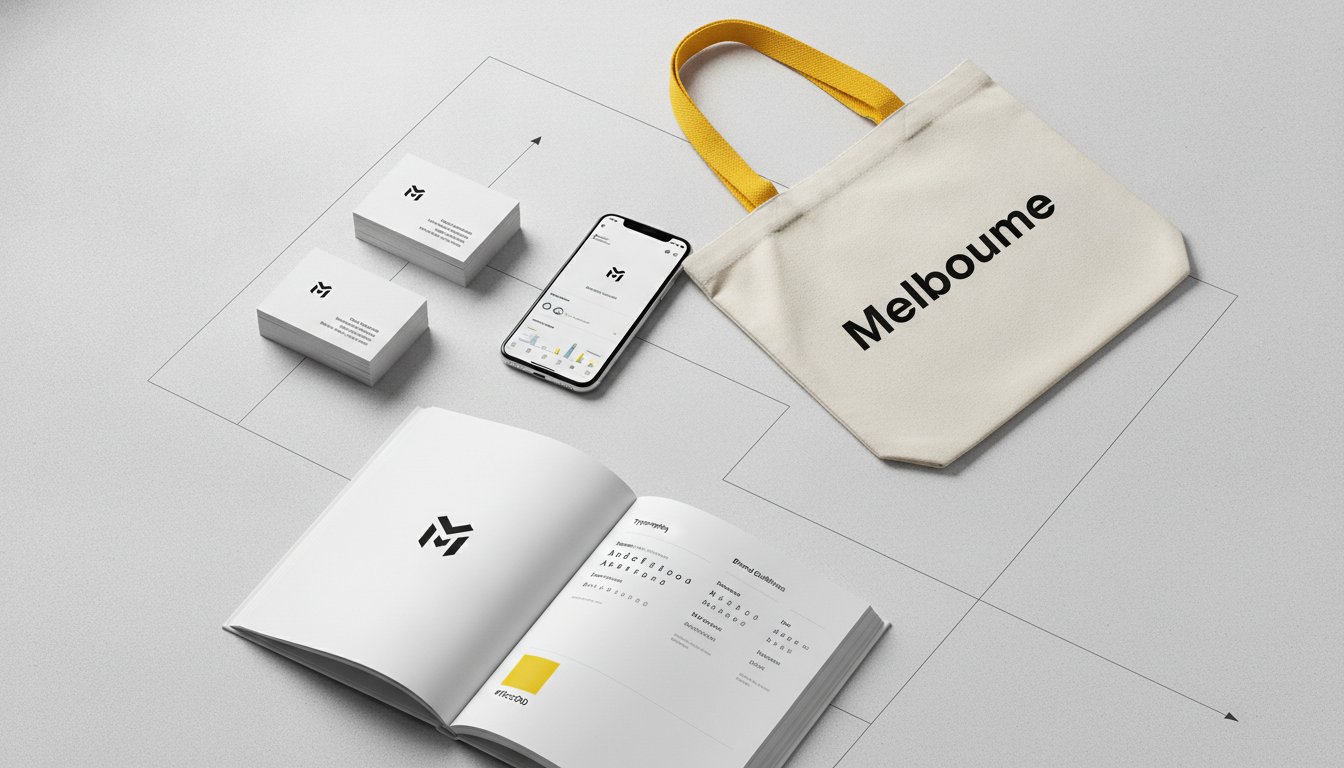
Inconsistency breeds confusion. A fragmented rollout is one of the most visible mistakes to avoid when rebranding. If your old logo still lingers on LinkedIn while your new site is live, you signal a lack of attention to detail. This dilution of your identity makes your investment feel unfinished. A "Quiet Launch" is often a missed opportunity. You need a co-ordinated rollout strategy that builds momentum. It should celebrate your evolution rather than hide it. A bold transition requires a clear plan.
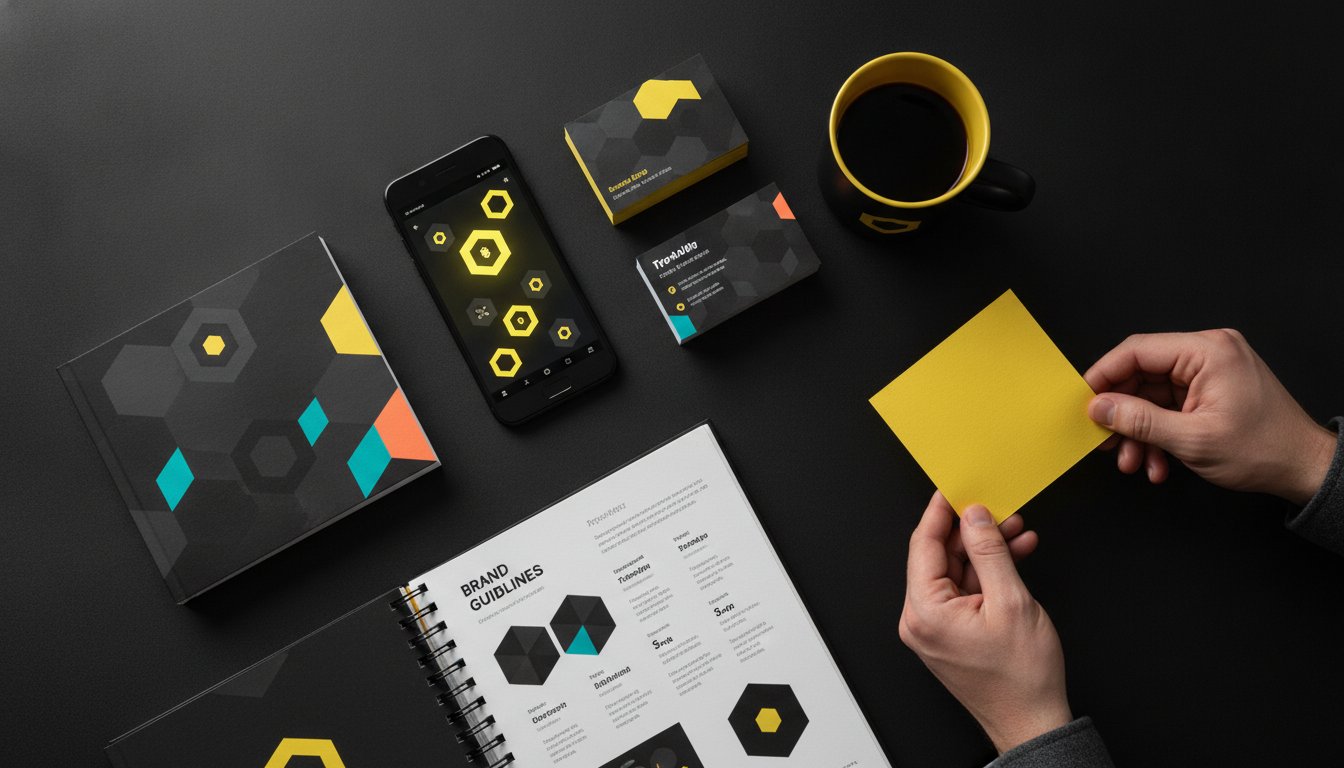
A half-finished rebrand is worse than no rebrand at all. It suggests a lack of follow-through. To avoid this, you must treat the transition as a comprehensive project. This requires a robust brand identity manual. This document serves as your single source of truth. It ensures that every touchpoint, from a billboard to a digital ad, speaks with the same voice. Without this discipline, the common mistakes to avoid when rebranding will inevitably surface in your daily operations. Consistency is your greatest asset.
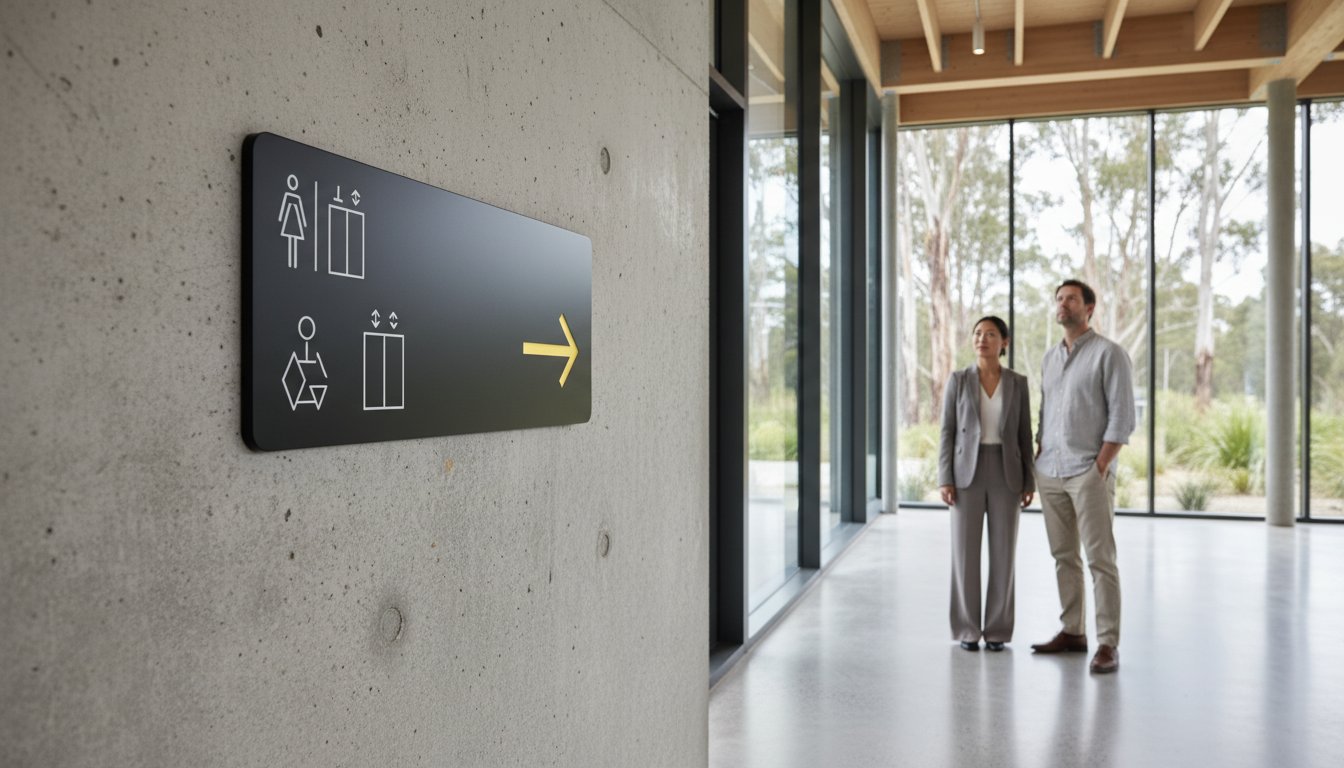
Your digital presence must reflect your physical reality. Synchronising your custom website development melbourne with your new look ensures a seamless user experience. This continuity extends to your environment. Updating wayfinding signage design is critical for maintaining professional standards in physical spaces. When social media assets match the high-end feel of your new collateral, you reinforce your market position. Every interaction counts. A unified presence builds trust.
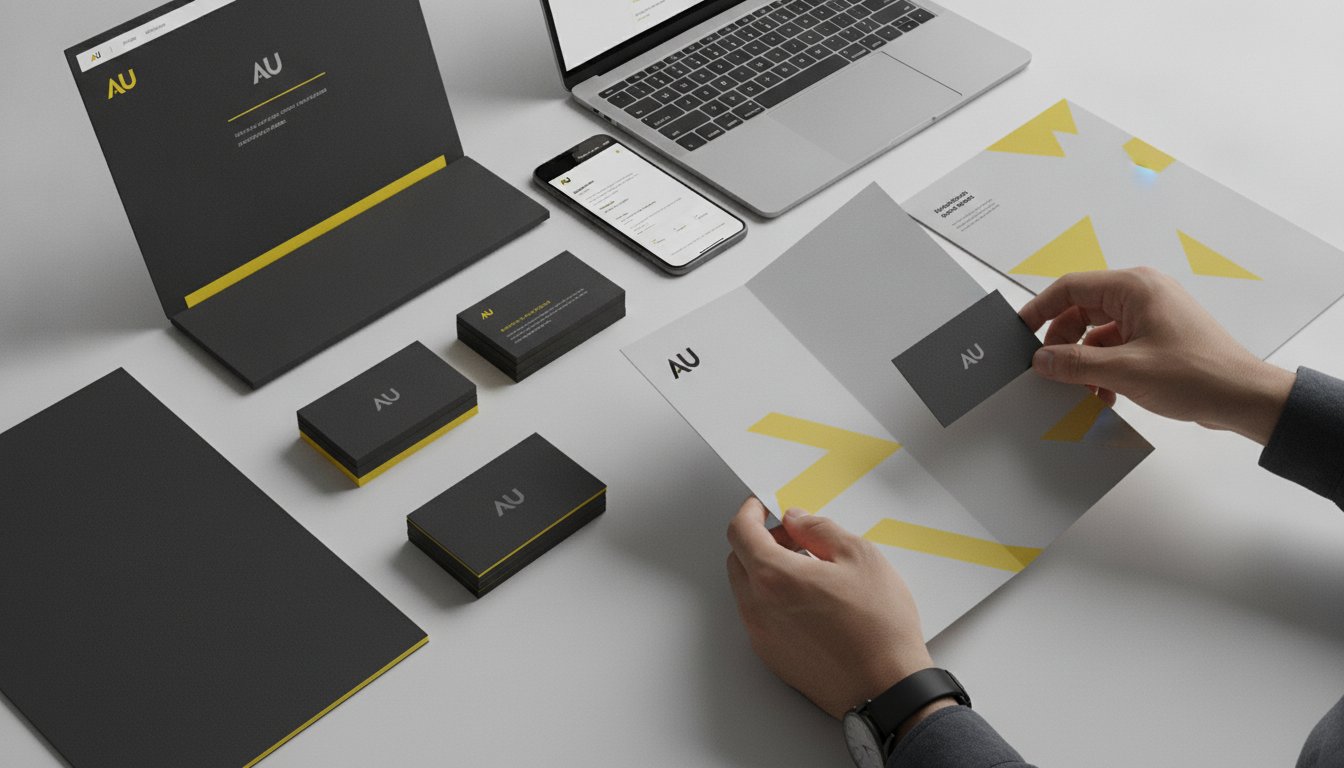
The smallest touchpoints often carry the most weight. Email signatures, invoices, and business cards are the forgotten front lines of your brand. If these aren't updated, they undermine your new identity. Typography and colour palettes must be strictly enforced to maintain visual harmony. Consistency is not about restriction; it's about clarity. Many businesses find that an ongoing creative retainer provides the necessary brand guardianship to keep these details sharp. This proactive approach prevents the slow drift back into old habits. Your brand deserves a dedicated protector.
Ensure your transition is flawless. Consult with our strategic brand experts today to secure your brand's future.
Expertise is an investment, not an expense. DIY rebranding is a false economy for growing businesses. You might save on upfront fees, but you risk losing significant brand equity through misaligned messaging. It is one of the critical mistakes to avoid when rebranding. A strategic partner does more than create visuals. They provide an objective perspective that challenges your internal biases. They bridge the gap between your visionary goals and the technical execution required to reach them.
Context is everything. A graphic design ballarat partner understands the local nuances that a generic template or a distant freelancer will miss. They recognise the specific rhythm of regional markets and how to translate that into a sophisticated, broad-reaching identity. At Seamer Design, our process is built on three pillars. Discovery. Strategy. Creative Excellence. We act as a creative catalyst, transforming your business objectives into a visual language that resonates with a premium audience.
Choose an agency that isn't afraid to challenge your assumptions. You want a partner with a portfolio that demonstrates strategic depth, not just a specific house style. Longevity is a powerful indicator of reliability. With over two decades of experience since 2002, we understand how to build brands that endure. We don't just follow trends; we create systems that evolve with your business. This experience allows us to guide you through the complexities of a rebrand with confidence and clarity.
A successful transformation begins with a clear-eyed assessment of your current position. Follow these steps to ensure your project stays on track:
Identify the specific weaknesses in your current identity and where the disconnect lies.
Define what success looks like for your business in 2026 and beyond.
Visualise your future brand with experts who can map out the strategic path ahead.
Your brand is your most valuable asset. Don't leave its future to chance. We are here to help you navigate the process and build an identity that truly reflects your excellence. Let's start the conversation.
A rebrand is a catalyst for growth. It is an opportunity to realign your visual identity with your true business purpose. By moving beyond cosmetic updates and grounding your choices in audience data, you build a brand that endures. Your team is your most powerful asset. Their buy-in ensures your new values are lived every day. Consistency across digital and physical spaces remains the hallmark of a professional transition. Understanding the specific mistakes to avoid when rebranding is your first step toward market leadership.
At Seamer Design, we bring over 20 years of strategic design excellence to every partnership. As a boutique agency with national reach, we specialise in everything from high-end visual identity to bespoke packaging design for small business. We bridge the gap between your current state and your desired future. Ready to evolve? Let’s organise a discovery session with Seamer Design. Your future brand is waiting to be uncovered. Let's make it remarkable together.
Professional rebrand costs in Australia vary based on the project's scope and business size. A visual refresh for a small business often starts around A$5,000, while a comprehensive strategic rebrand for an SME typically ranges from A$15,000 to A$50,000. For large-scale transformations including strategy, naming, and full implementation, investments can exceed A$150,000. These figures reflect the 2026 market rates for agencies providing high-level strategic alignment and creative execution.
A thorough rebranding process usually takes between three to six months. This timeline allows for deep discovery, strategic development, and creative execution without rushing critical decisions. Smaller refreshes might be completed in eight to twelve weeks, whereas complex overhauls involving multiple stakeholders and physical rollouts can extend beyond six months. Planning for this duration ensures you have the space to build internal alignment and execute a flawless market launch.
Changing your business name is a major decision that should only occur if your current name no longer reflects your vision or limits your growth. If your name is geographically restrictive or tied to a defunct service, a change is often necessary. However, if you possess significant brand equity, evolving the visual identity while keeping the name is usually safer. Always weigh the cost of new registrations, such as the A$636 ASIC company fee, against the potential for increased market relevance.
A brand refresh is a tactical update to your visual identity, such as modernising a logo or updating colour palettes. It maintains your core essence while staying contemporary. In contrast, a rebrand is a fundamental strategic shift that often involves changing your brand's personality, values, or target audience. One of the key mistakes to avoid when rebranding is choosing a full overhaul when a simple refresh would have protected your existing recognition.
The right time to rebrand is when your external image no longer aligns with your internal reality or strategic goals. This often happens after a merger, a shift in market conditions, or when your current identity feels dated compared to premium competitors. If your team feels disconnected from the brand or you're struggling to attract a new audience, it's a clear signal. A rebrand should be a proactive move toward future growth, not a reactive fix for poor performance.
Initial resistance is common, as humans are naturally wired to prefer the familiar. You can mitigate this by being transparent about the "why" behind the change and involving loyal customers early in the process. If the rebrand is built on genuine audience data rather than subjective whims, the new look will eventually build stronger connections. Focus on the long-term strategic benefits rather than short-term social media comments, ensuring your service delivery matches the new brand promise.
Maintaining SEO rankings requires a rigorous technical migration plan. You must implement 301 redirects from every old URL to its new counterpart to preserve link equity. Ensure your metadata, header tags, and site structure are optimised for your primary keywords during the design phase. A fragmented digital rollout is one of the common mistakes to avoid when rebranding, so ensure your new site is fully tested and indexed correctly to prevent a drop in organic traffic.
Yes, because a logo should be the visual manifestation of your strategy. Even if you're only updating the mark, you must ensure it still aligns with your current market position and audience expectations. Changing a logo without reviewing your strategy is a cosmetic fix that often fails to deliver a return on investment. A brief strategic review ensures your new visual identity is purposeful and capable of supporting your business goals for the next decade.






.jpg)


.jpg)
%20(1).jpg)