Does sending a link to your company website feel like handing over a business card with a coffee stain on it? You've built a successful enterprise, yet your visual identity still reflects who you were five years ago. It's a common frustration for Australian founders. You're attracting low-value leads while your team feels misaligned on your core values. If you're feeling a disconnect between your current success and your public image, you're likely missing out on the strategic benefits of rebranding for small business growth.
A rebrand isn't just a cosmetic update; it's a vital realignment for the 2026 market. We understand that your brand should be your most powerful asset, not a source of hesitation. In this guide, we'll identify the critical indicators that your brand no longer serves your goals and show you how to transition toward an identity that commands premium pricing. You'll learn how to unify your team's story and outshine local competitors with a visionary, grounded presence. Let's explore how to bridge the gap between where you are and where you're headed.
• Identify the subtle signs of brand decay to ensure your visual identity evolves alongside your growth in the shifting 2026 Australian market.
• Understand the strategic benefits of rebranding for small business, from attracting high-value leads to aligning your team with a unified vision.
• Evaluate the scale of change needed by distinguishing between a visual refresh and a complete strategic overhaul.
• Recognise the invisible loss caused by brand stagnation, including missed opportunities with premium clients and declining employee engagement.
• Discover how a strategic design partner bridges the gap between your current state and a future that commands industry authority.
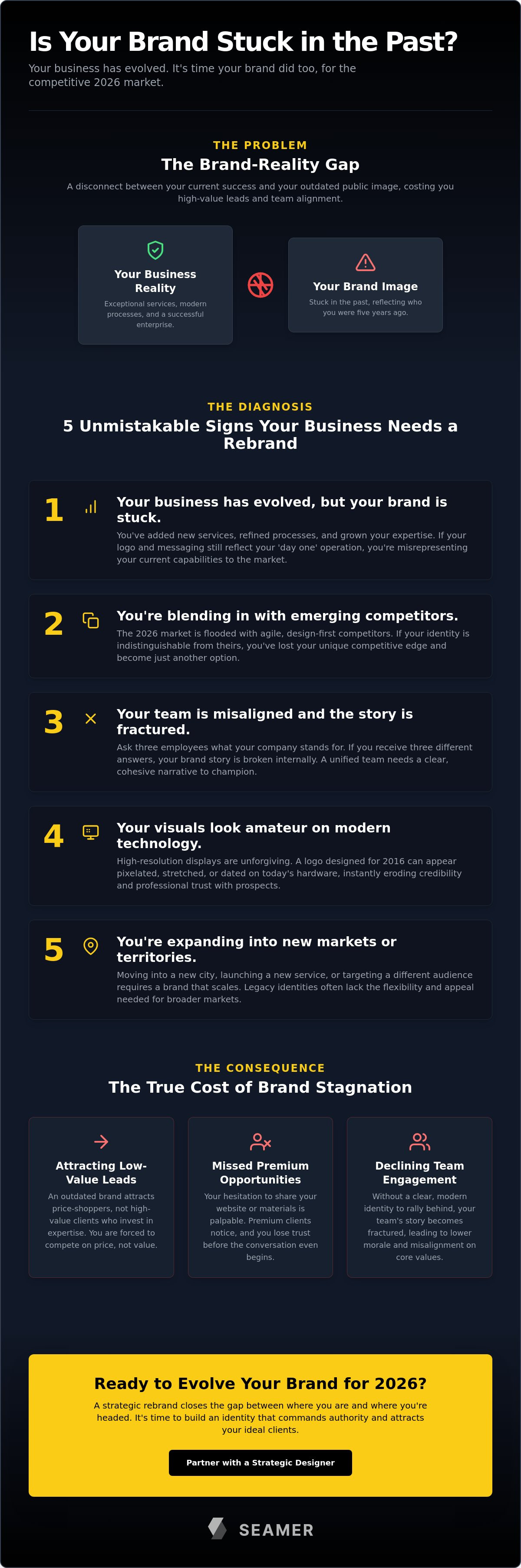
Brand decay is a silent thief. It doesn't happen overnight; it's a gradual erosion of relevance that leaves your business blending into the background. In the hyper-competitive corridors of Melbourne and the rapidly evolving commercial centre of Ballarat, standing still is the same as moving backwards. Your business in 2026 faces a different Victorian landscape than it did even two years ago. If your visual identity was forged in 2016, it's likely anchored to a version of your company that no longer exists. This creates a Brand-Reality Gap. You provide exceptional, modern services, but your image suggests you're stuck in the past. Understanding what is rebranding involves more than just a new logo; it's about reclaiming your narrative and closing that gap.
The Australian market has shifted significantly post-2025. We see a surge in new, agile competitors who lead with design. For established businesses, one of the primary benefits of rebranding for small business growth is the ability to signal innovation. You aren't just maintaining your position; you're elevating it. A strategic evolution ensures your external identity matches your internal excellence. It's about moving from being a choice to being the only choice for your ideal clients.
Victorian consumers are more discerning than ever. They crave authenticity and transparency. There is a powerful local-first movement across the state, but "local" no longer means "amateur." Clients expect local partners to deliver global-standard experiences. Digital-first interactions now define your reputation. If your website or visual touchpoints feel clunky, you lose trust instantly. Strategic storytelling is now a requirement. People want to know the "why" behind your brand, and an outdated identity obscures that story. You must communicate your values clearly and visually to resonate with this sophisticated audience.
An outdated brand acts as a lead-generation bottleneck. If you hesitate to share your website link or feel a twinge of embarrassment during a presentation, your sales confidence is already compromised. This hesitation is palpable to prospects. Outdated visuals signal a lack of innovation and a resistance to change. This misalignment often attracts price-shoppers who only care about the bottom line, rather than high-value seekers who invest in expertise. By failing to project a premium image, you're effectively leaving money on the table. One of the most tangible benefits of rebranding for small business is the shift in lead quality. You stop competing on price and start winning on value.
Identifying the right moment to evolve is a hallmark of visionary leadership. While brand decay happens slowly, the signs that you've outgrown your current identity are often hiding in plain sight. Recognising these indicators allows you to capture the full benefits of rebranding for small business growth before your market share begins to slip. If you notice any of these five signs, it's time to consider a strategic shift.
You've added new capabilities and refined your processes. If your logo still reflects your "day one" operation, you're misrepresenting your current expertise.
The 2026 market is crowded with agile, digital-first startups. If your identity feels indistinguishable from the shop next door, you've lost your competitive edge.
Ask three employees what your company stands for. If you get three different answers, your brand story is fractured. A unified team requires a clear, cohesive narrative to follow.
2026 high-resolution displays are unforgiving. Logos designed for 2016 often look pixelated or dated on today's hardware, instantly eroding professional trust.
Moving from Ballarat into Melbourne, or launching a new service line, requires a brand that scales. Legacy identities often lack the flexibility needed for broader markets.
When your business model shifts, your brand must act as the bridge to your new reality. Many Australian enterprises experience a growth plateau because their outward image no longer appeals to their target demographic. This is particularly true following a merger or acquisition. A rebrand signals a new era to your stakeholders and investors. It demonstrates intentionality. By adopting successful rebranding strategies, you can break through these plateaus and re-energise your market presence. It is about more than aesthetics; it's about strategic alignment.
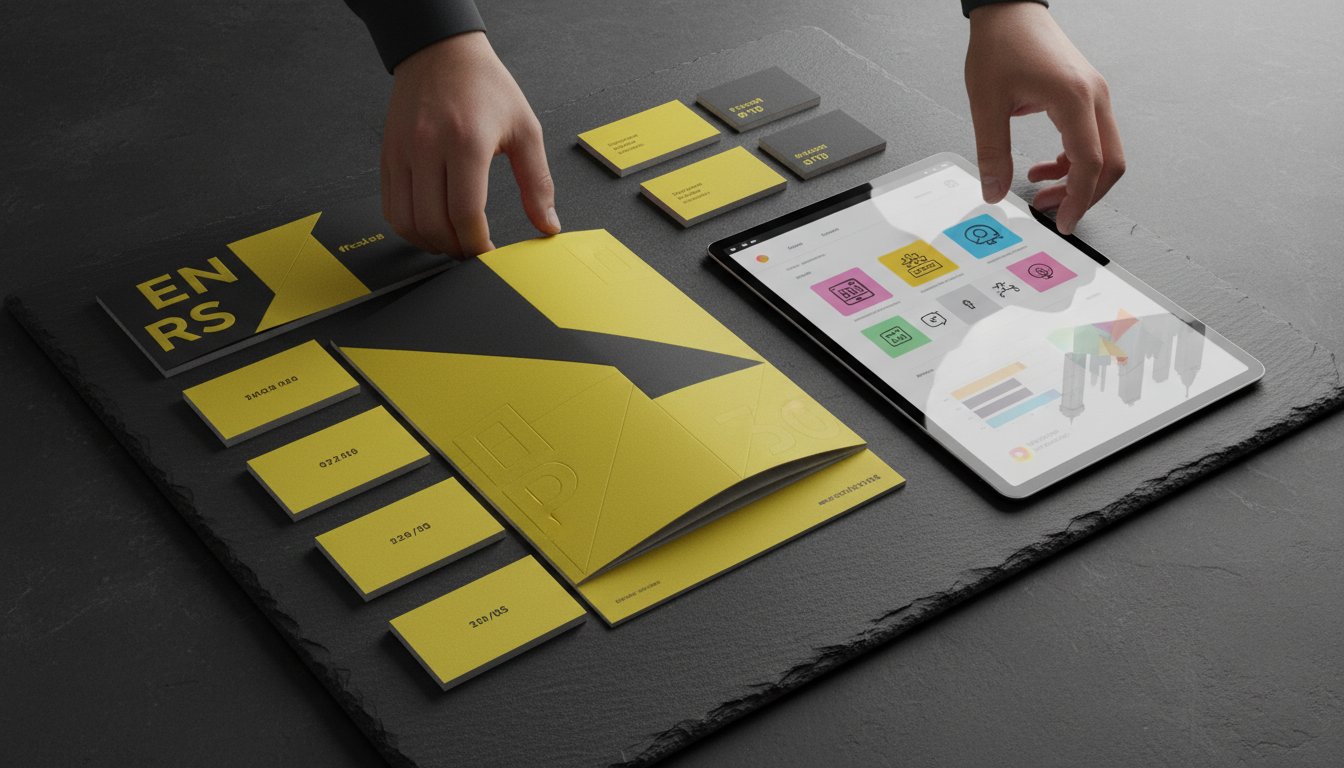
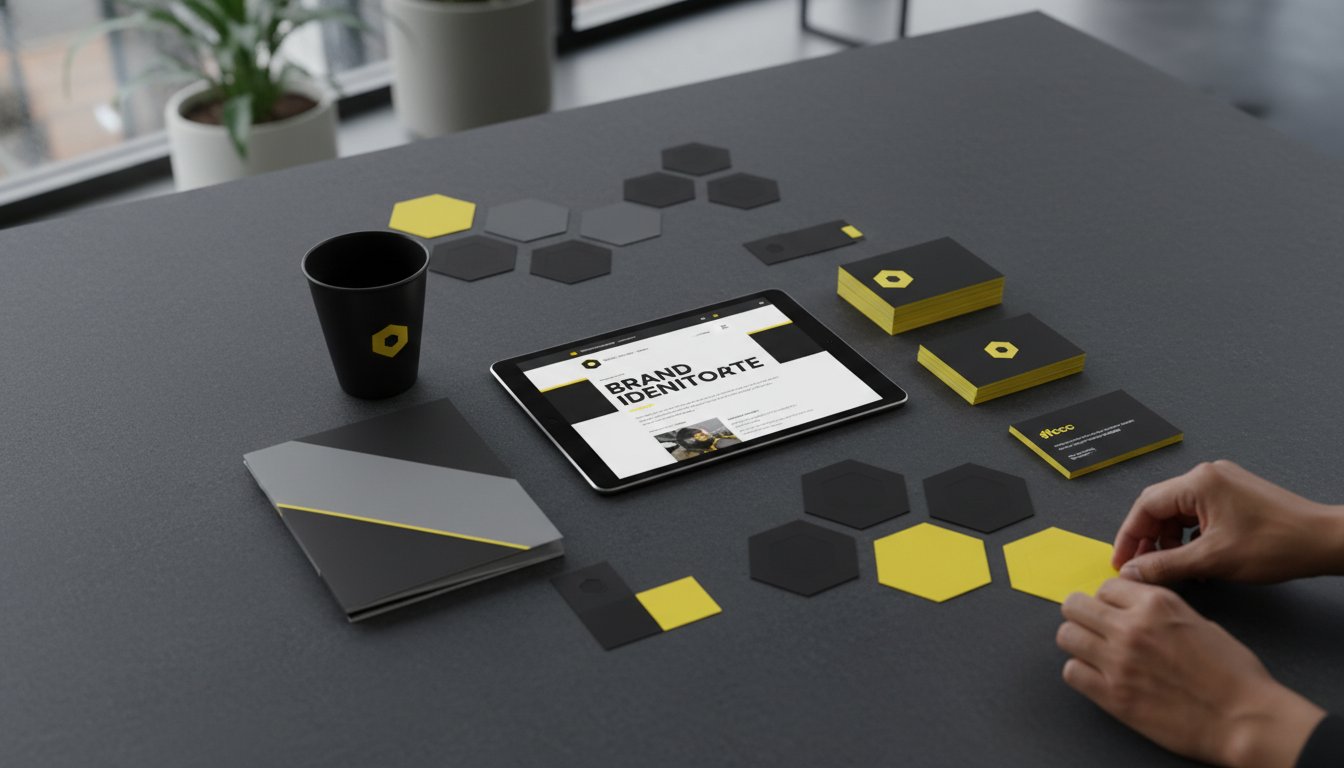
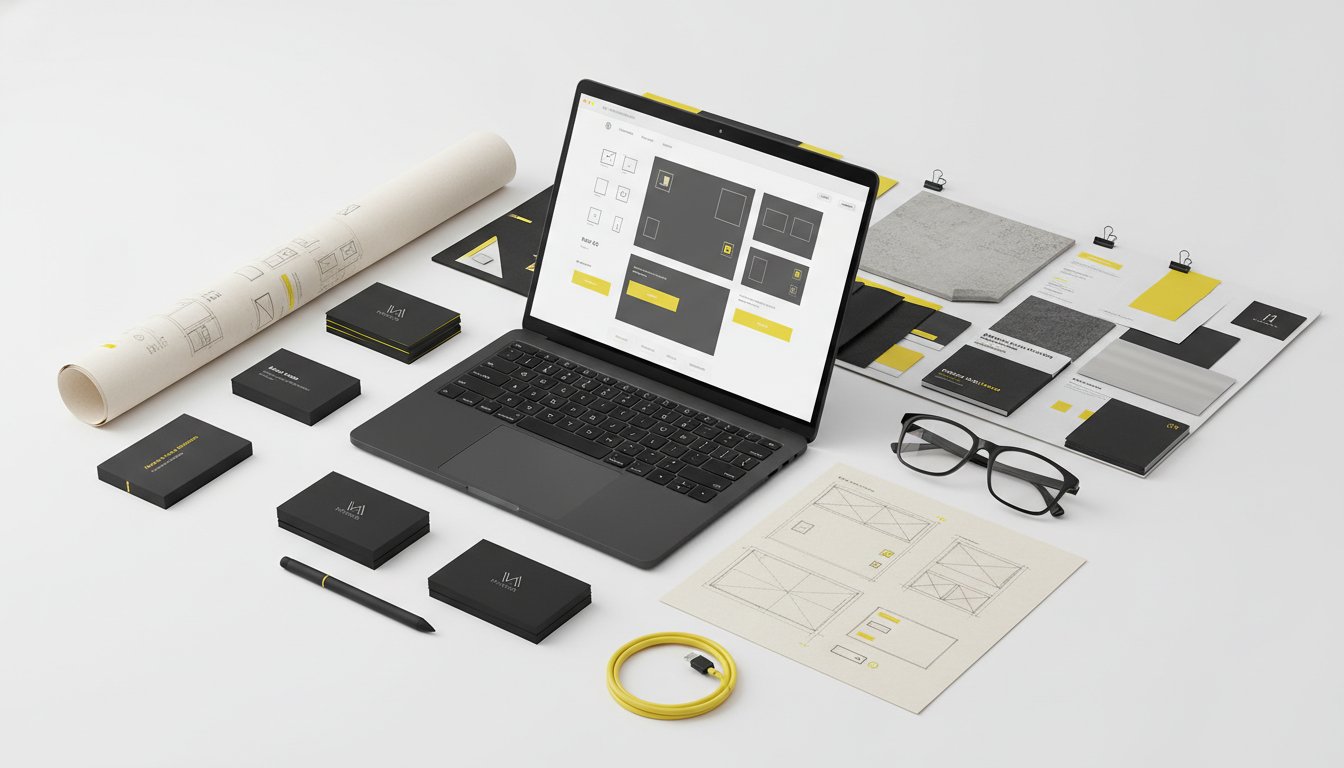
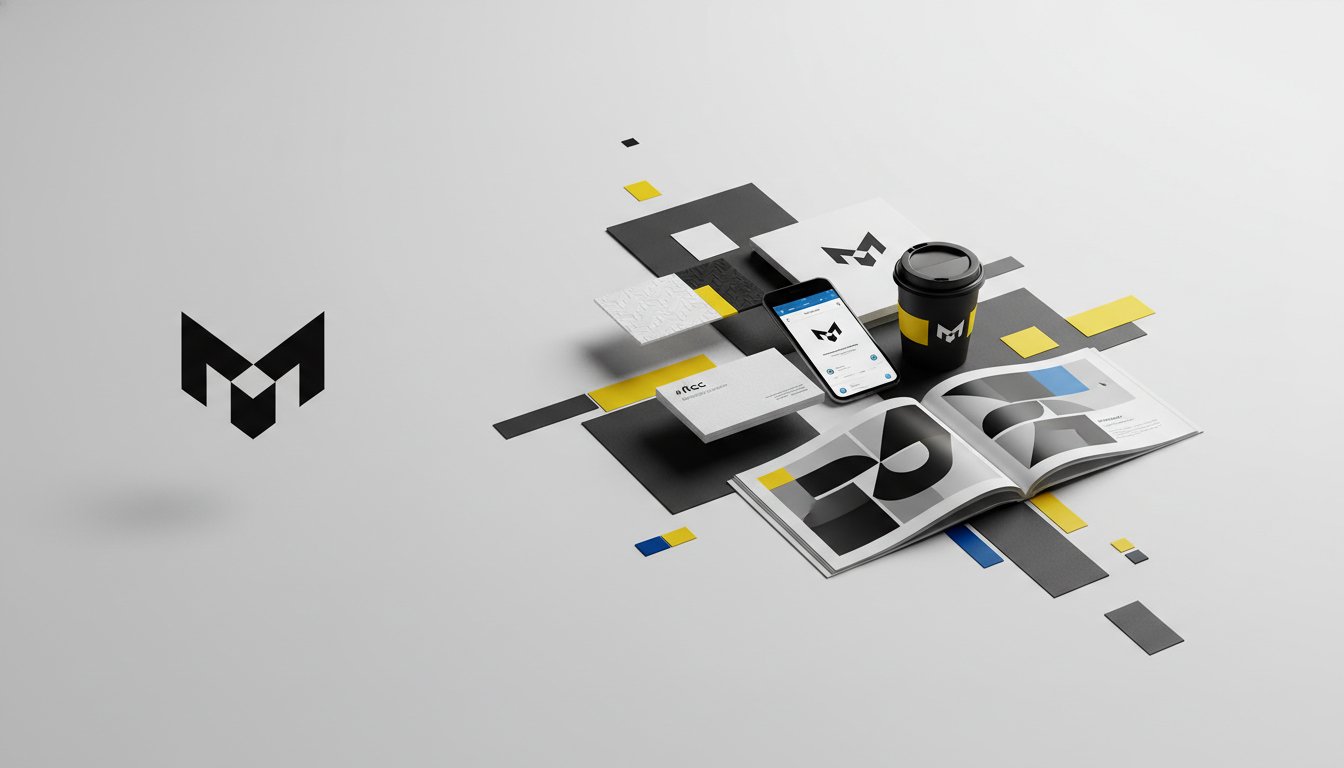
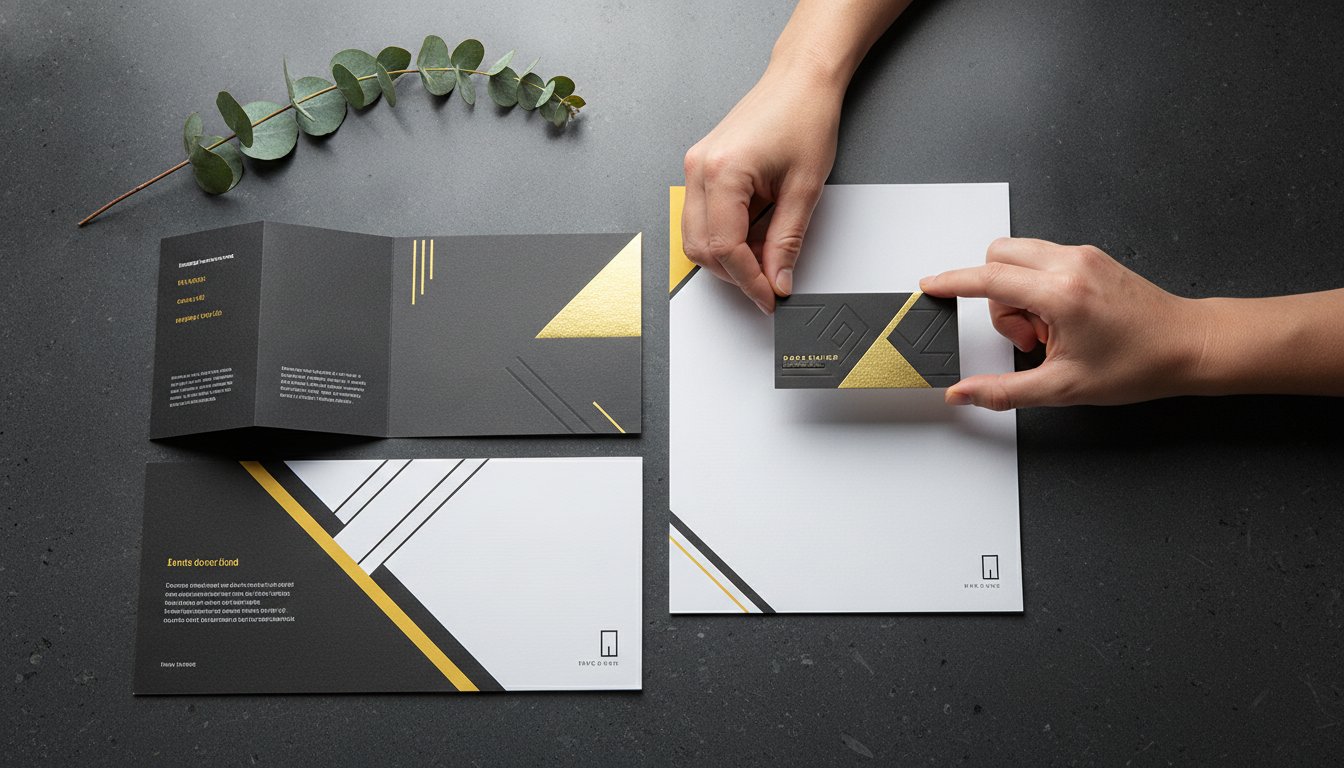
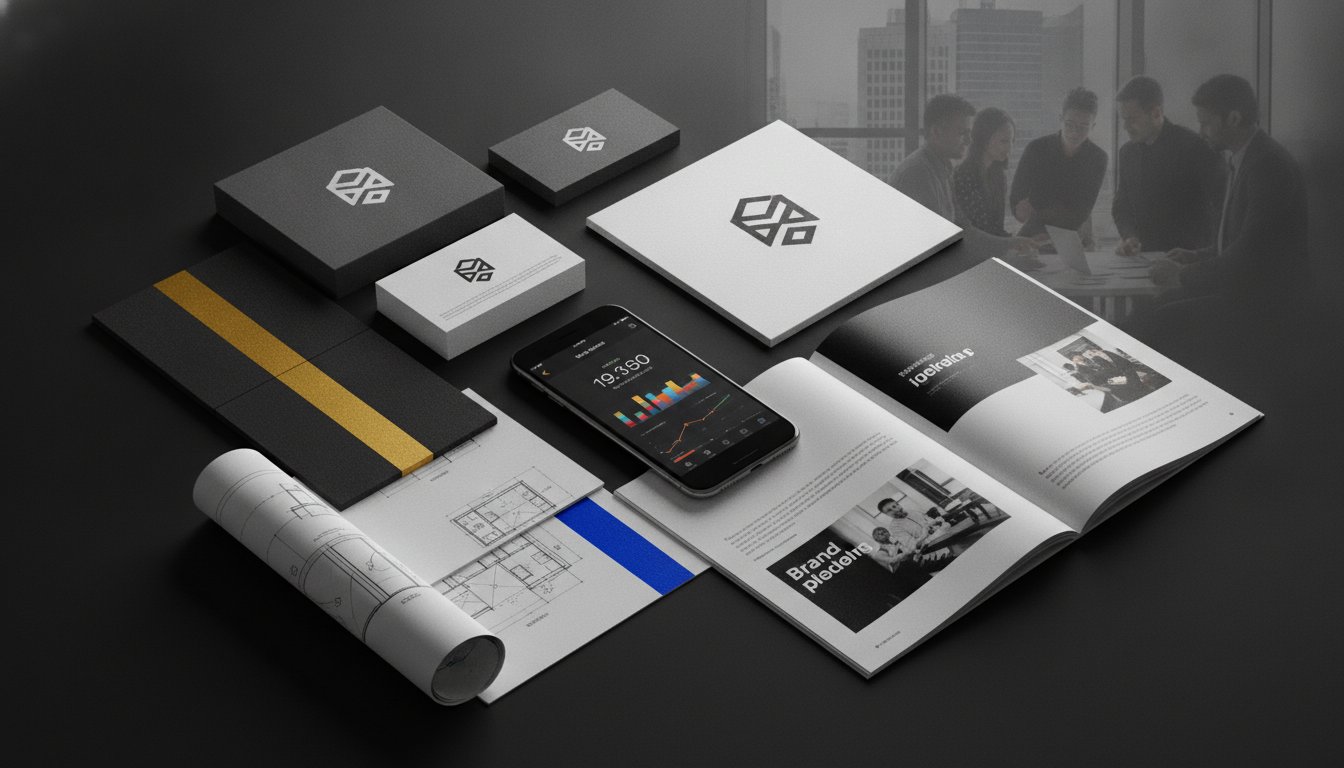
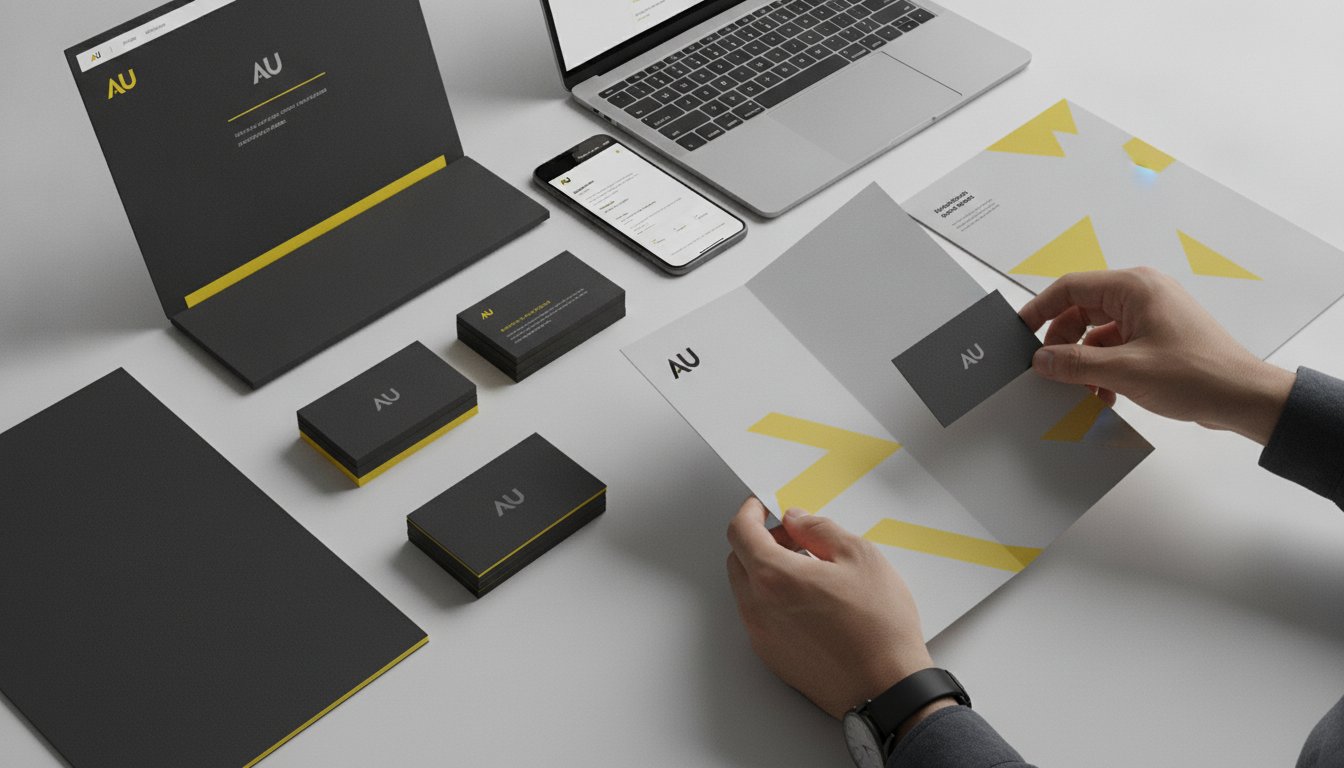
Design trends move fast. Typography and colour palettes that felt modern five years ago can now feel heavy or tired. Inconsistent graphic design across your print and digital touchpoints creates a sense of chaos. This disconnect breeds distrust in potential clients. Partnering with a professional visual identity design agency ensures your brand remains cohesive across every medium. Every interaction, from a business card to a mobile site, should feel like part of the same premium story. If you're noticing these gaps, exploring a strategic brand audit is a logical next step to reclaim your authority.
Choosing the right path for your brand's evolution is a strategic crossroads. It requires a cold, hard look at your current market equity versus your future ambitions. You don't always need to tear everything down to build something better. Sometimes, a focused refinement is exactly what's required to stay competitive in the 2026 Victorian landscape. Understanding the benefits of rebranding for small business starts with knowing which lever to pull. One path preserves your history; the other builds a new future.
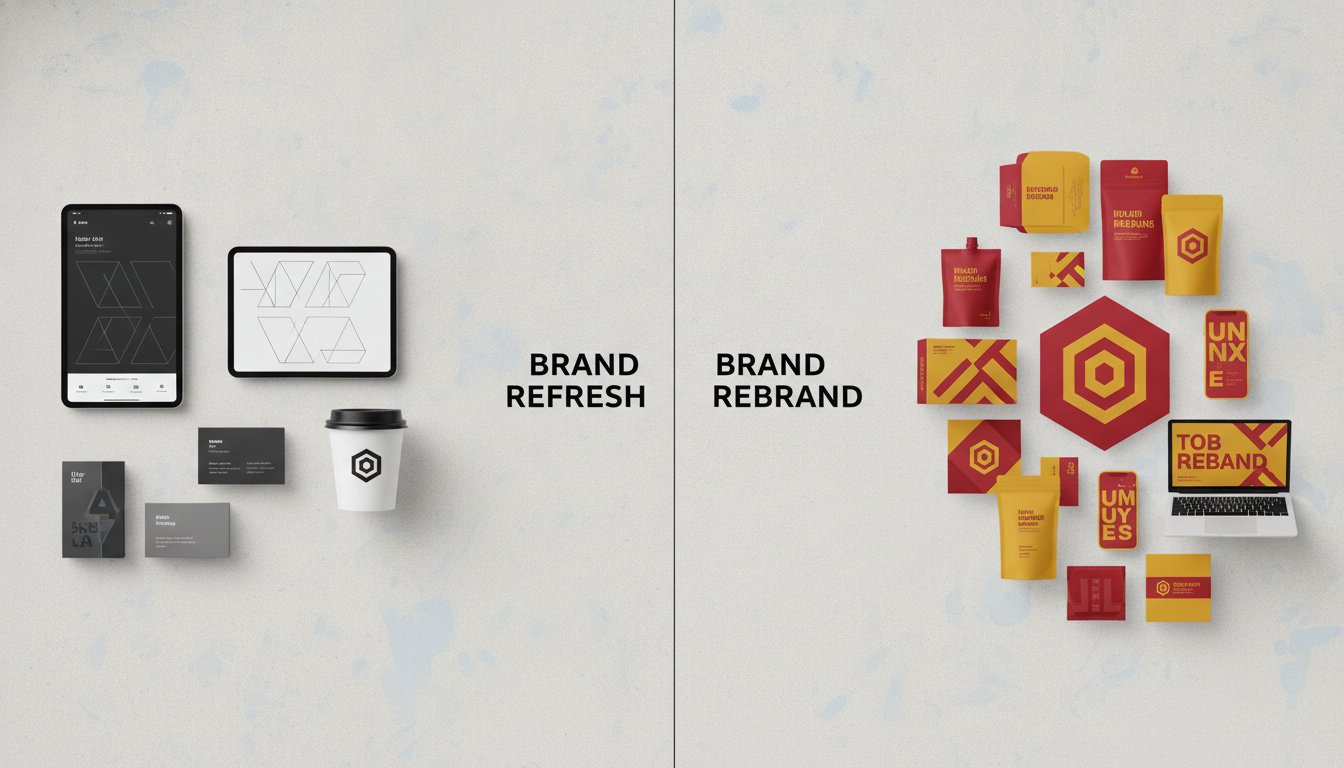
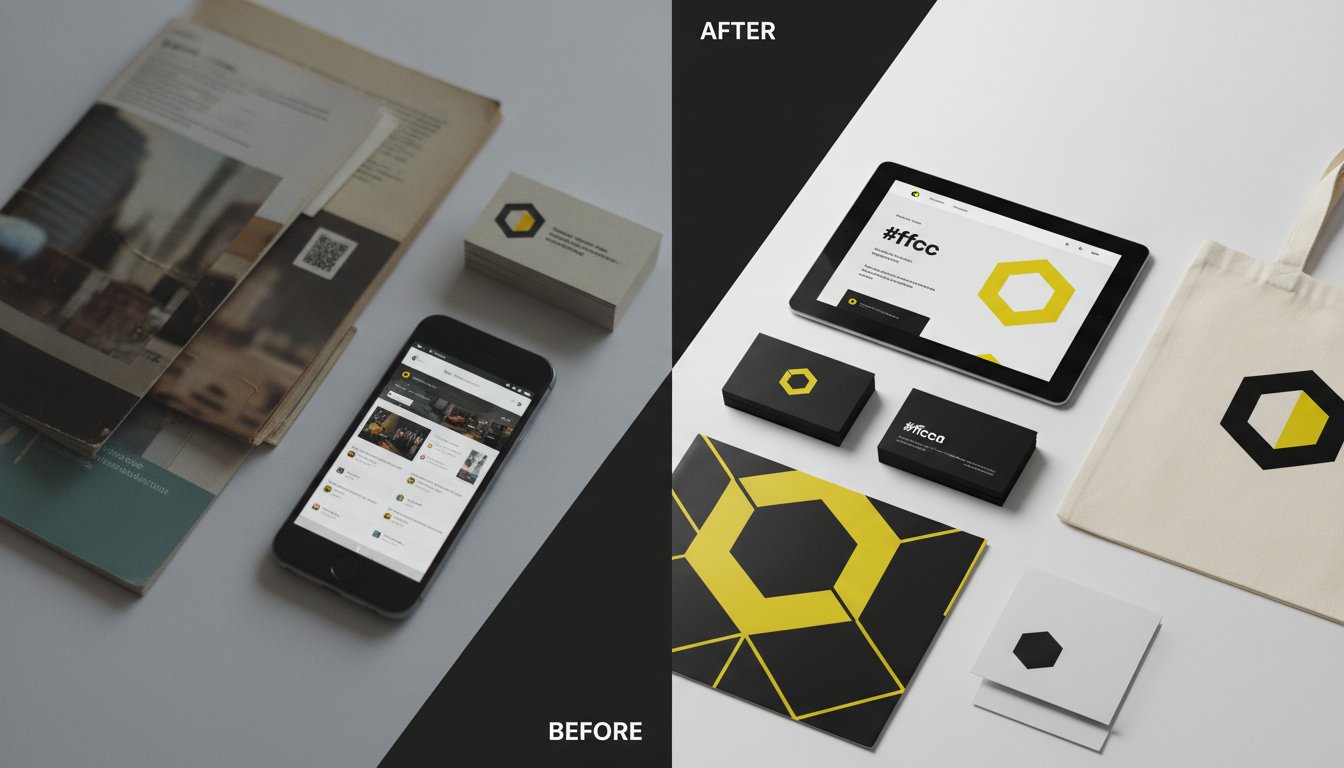
A visual refresh maintains your core identity while shedding the weight of outdated design. It's about staying relevant without losing the trust you've built over decades. Conversely, a full rebrand acts as a strategic revolution. It's for when your business has fundamentally changed, and your old skin no longer fits the new reality. Both approaches offer significant value, provided they align with your long-term commercial goals.
Think of a refresh as a high-performance polish. You aren't changing who you are; you're just presenting a more modern, professional version of yourself to the world. This often involves updating colour swatches for better screen performance and modernising typography to ensure digital clarity on mobile devices. For graphic design Ballarat firms with deep local roots, this approach is often ideal. It preserves your hard-earned local equity while ensuring you don't look like a relic of the past. You refine the existing logo to work across new 2026 digital standards, keeping your brand recognisable but rejuvenated.
Sometimes, the gap between your brand and your business is too wide to bridge with a new font. A full rebrand is mandatory when you're pivoting your service model or moving into a completely different market. This process starts with deep brand strategy. We strip the brand back to its "why" to redefine your mission and values. From there, we develop a new visual system, and potentially a new name, from the ground up.
Stagnation is a quiet drain on your commercial capital. While many leaders focus on the immediate expense of a project, few calculate the compounding cost of doing nothing. In a market as fast-paced as Victoria's, an outdated brand doesn't just sit still; it actively pushes potential revenue toward your competitors. The invisible loss is the most damaging. These are the premium clients who visited your website, felt a disconnect between your price point and your presentation, and left without ever making contact. Research indicates that 85% of Australians research businesses online before making a purchase. If your digital presence feels like a relic, you've lost the sale before the first conversation even begins.
The impact extends deep into your internal culture. Brand stagnation often leads to employee disengagement. Your team wants to feel proud of where they work. They want to represent a visionary leader, not an old-fashioned firm. In the competitive Melbourne job market, recruiting top-tier talent to a stagnant brand is an uphill battle. High-performers gravitate toward companies that look and act like industry leaders. When your visual identity fails to inspire, you risk higher turnover and a team that is fundamentally misaligned with your growth goals.
Rebranding is a high-yield investment in your company's future. One of the primary benefits of rebranding for small business growth is the immediate elevation of lead quality. When your brand projects authority, you stop attracting price-shoppers and start engaging value-seekers. This shift allows you to command a premium price point that reflects your true expertise. Over the long term, a cohesive brand reduces your marketing spend. A strong, recognisable identity builds trust faster, meaning you spend less on "convincing" and more on delivering. You're building a brand asset that works for you 24/7.
Many founders are held back by the sunk cost fallacy. They cling to original branding because of the time and money invested years ago. However, your brand is a tool for your future, not a monument to your past. Managing this transition requires courage and a methodical approach. A successful evolution involves an organised rollout across every touchpoint to maintain customer loyalty while signaling growth. It's about taking your existing community on the journey with you. If you’re ready to stop the invisible loss and reclaim your market position, partner with Seamer Design for a strategic brand evolution that turns your identity into a competitive advantage.
DIY rebranding is a trap that many founders fall into when trying to save costs. It often results in a fragmented identity that lacks the strategic depth to sustain long-term growth. While a new logo might look sharp on a screen, it won't solve the internal misalignment or the lead-generation bottlenecks we've discussed. True benefits of rebranding for small business emerge when you partner with a strategist who understands your specific market landscape. We bridge the gap between your current operations and your future ambitions by uncovering the authentic heart of your business through collaborative discovery.
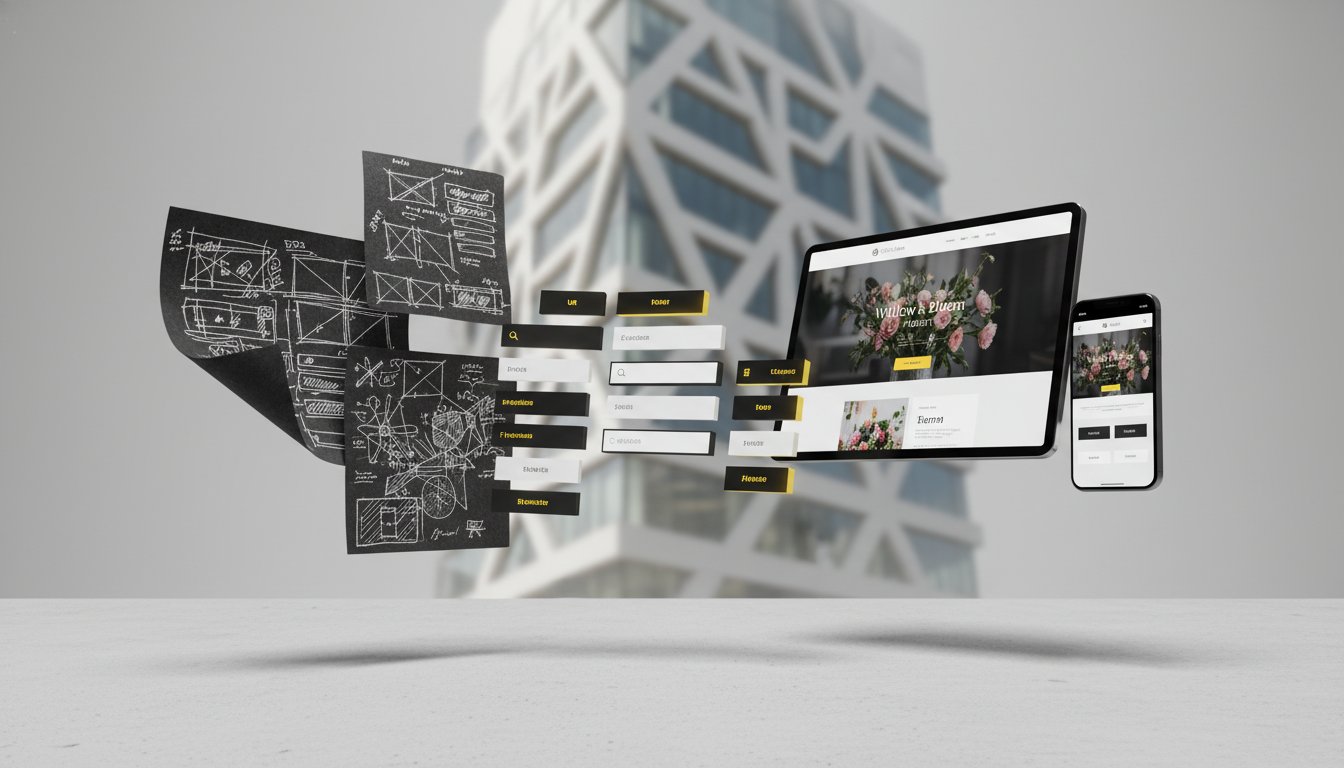
A boutique agency provides a unique vantage point that larger, disconnected firms often miss. We understand the nuanced commercial dynamics of both the Melbourne metropolitan centre and the regional hub of Ballarat. This dual perspective ensures your brand feels sophisticated enough for a city audience while remaining grounded and accessible for regional clients. Once your strategy is set, your new identity must live on a digital stage that performs. Integrating your evolution into custom website development Melbourne ensures a cohesive launch that captures attention and converts visitors into premium leads.
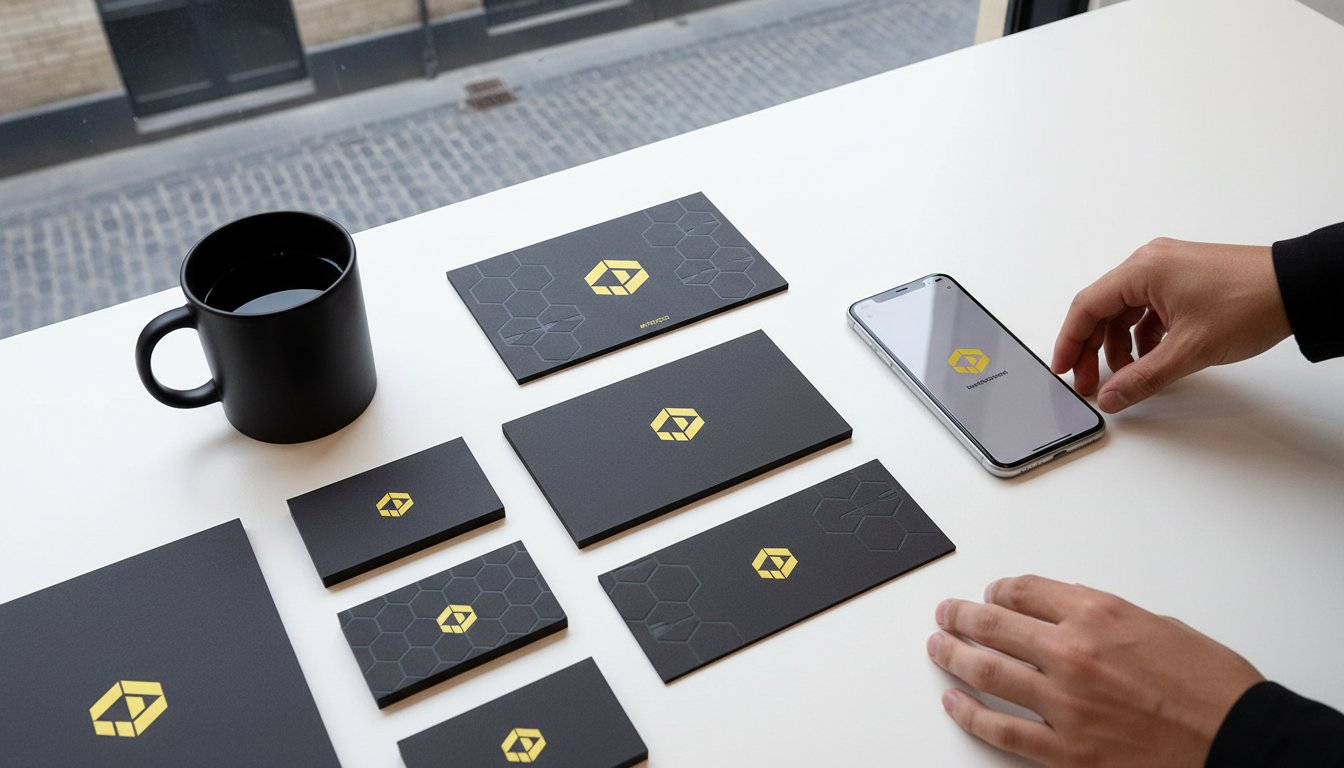
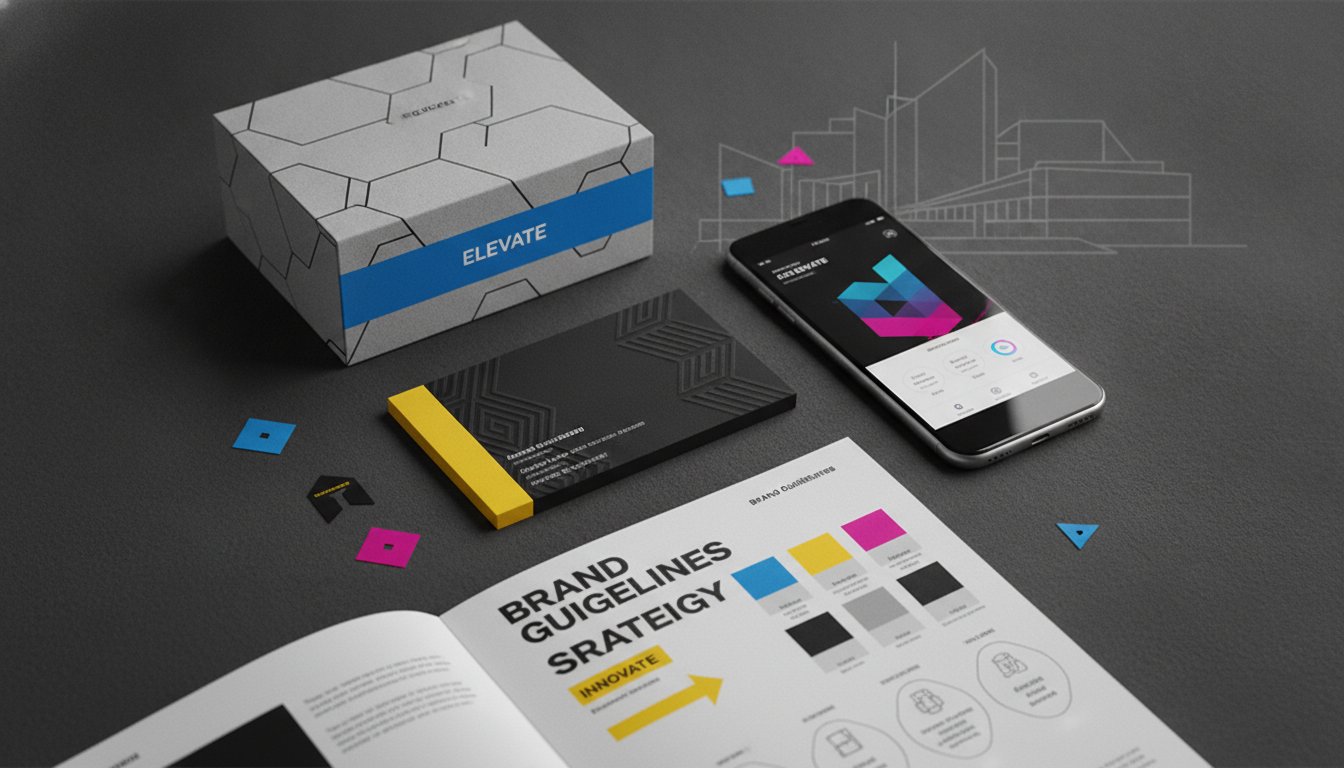
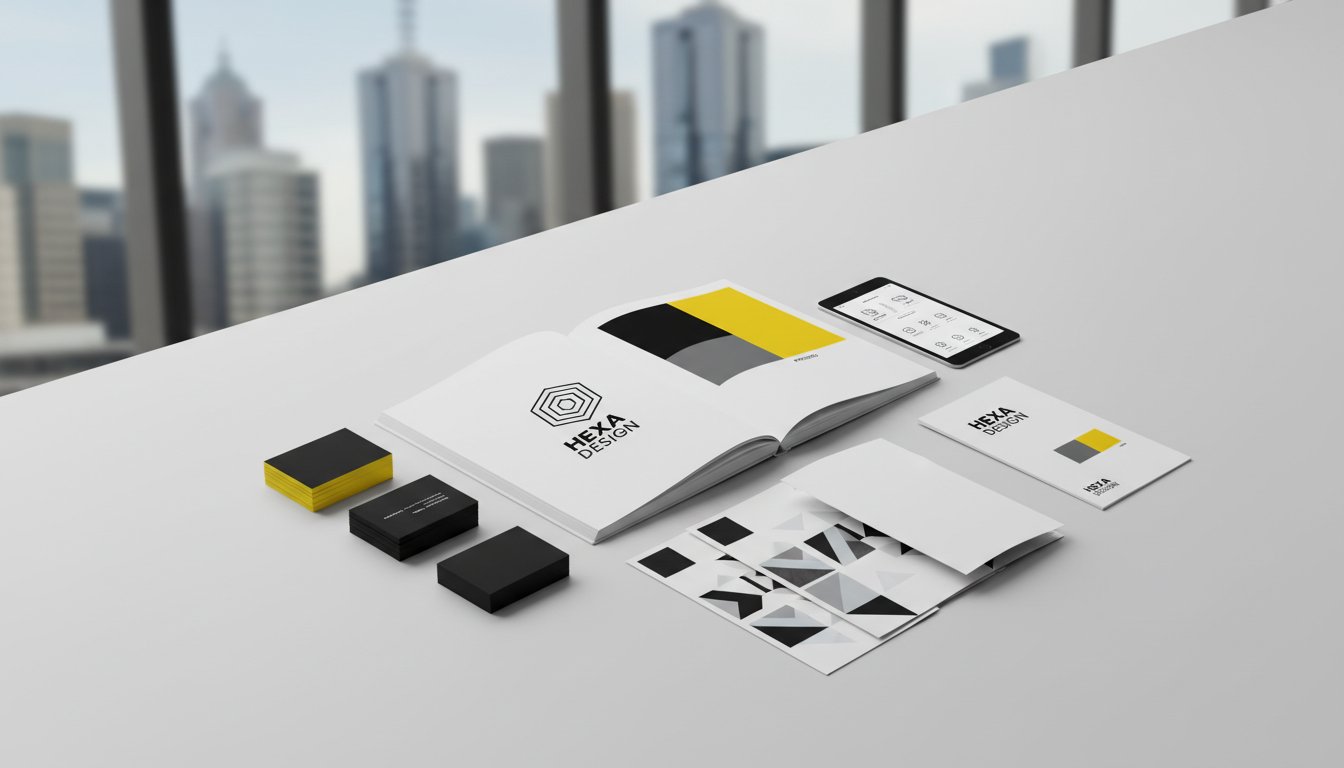
Our process moves far beyond the logo. We build a comprehensive brand identity manual that acts as a north star for your business. This document ensures every piece of communication, from a social post to a formal proposal, feels like it belongs to the same high-end story. Brand strategy is the foundation that ensures your new look remains relevant for another decade, rather than just a few seasons. Seamer Design champions the success of our clients by bridging the gap between current business states and desired futures through collaborative, strategy-led design.
Preparation is the key to a smooth evolution. Before engaging a partner, you should gather stakeholder feedback to identify exactly where your current brand is failing your team. This internal audit reveals the pain points that a visual update alone cannot fix. Consider the following steps to prepare for your strategic shift:
Document where your team feels the brand story is inconsistent or unclear.
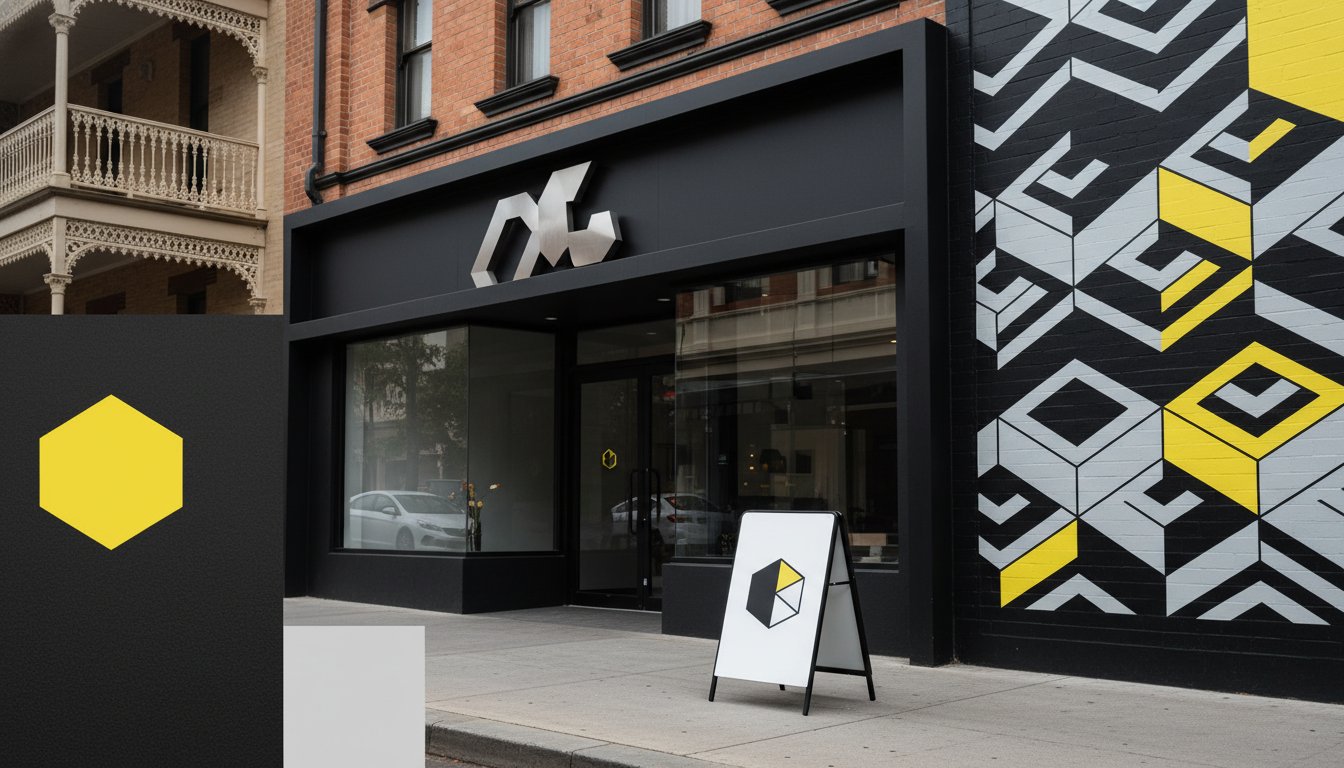
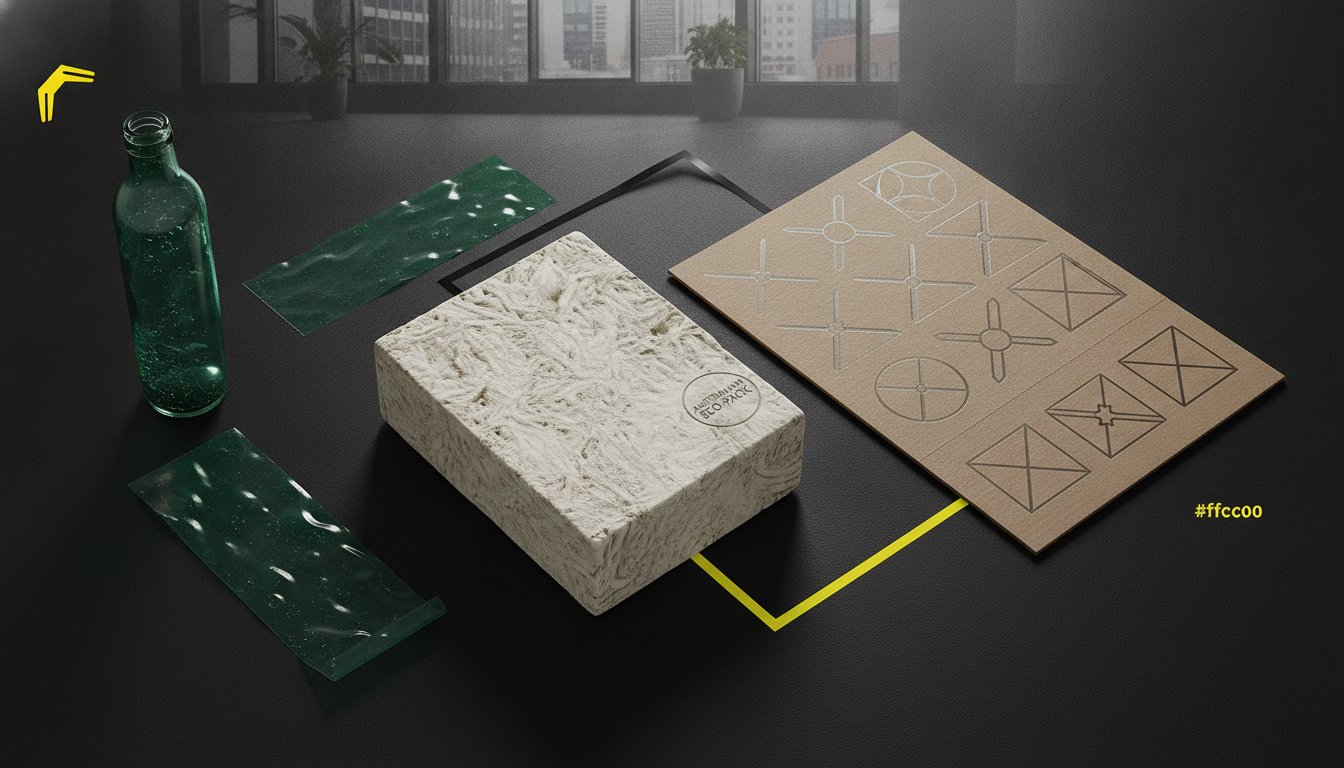
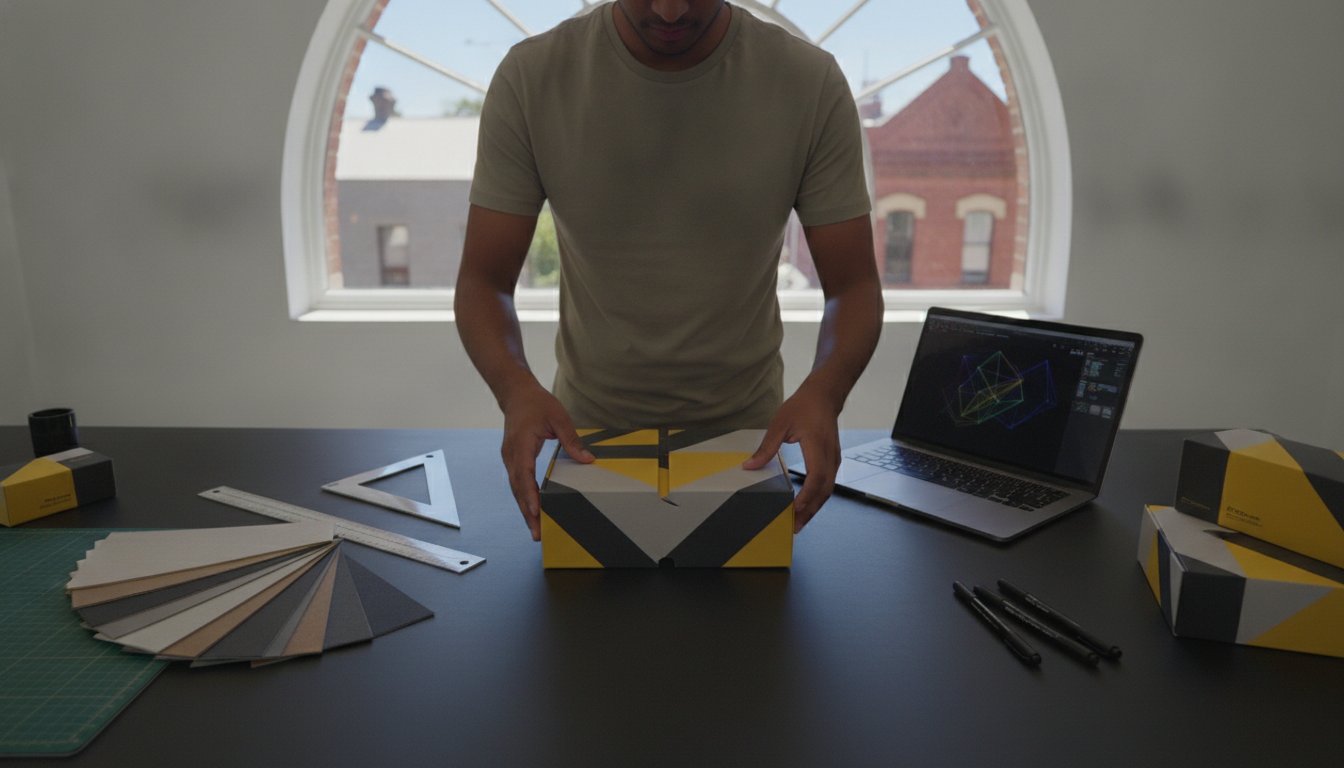
Review everything from your signage and stationery to your packaging design and website.
Decide if your primary goal is higher lead quality, a more premium price point, or better team recruitment.
Collect examples of brands that command the level of authority you aspire to reach.
Setting clear goals allows us to measure the impact of your evolution. When you align your visionary goals with a grounded, strategic identity, you create a brand that doesn't just look better; it performs better. It's time to stop blending in and start leading your market with intentionality.
Your business shouldn't be held back by an identity that belongs to the past. We've identified how brand decay quietly erodes market share and how strategic evolution closes the Brand-Reality Gap. Whether you require a subtle visual refresh or a complete strategic overhaul, the benefits of rebranding for small business are undeniable. You gain higher lead quality. You build a unified team. You command the premium pricing your expertise deserves.
Success in the 2026 landscape requires more than a generic template. With over two decades of experience across the Melbourne and Ballarat design landscape, Seamer Design provides a boutique approach that treats your business as a unique entity. Our strategic focus goes far beyond aesthetics to drive genuine commercial growth. Ready to evolve? Partner with Seamer Design to rediscover your brand strategy.
Don't let stagnation define your future. It's time to build a brand that truly reflects the visionary leader you've become. Let's start the conversation today.
Most Australian businesses consider a strategic evolution every seven to ten years. This timeframe allows your identity to remain contemporary while reflecting significant growth or shifts in your service model. You shouldn't rebrand just for the sake of change; it must align with a tangible business evolution. One of the primary benefits of rebranding for small business growth is ensuring your image doesn't lag behind your actual capabilities.
A logo refresh is a visual polish that modernises your existing look without changing your core message. It's an evolutionary step. A full rebrand is a strategic revolution that redefines your mission, values, and visual system from the ground up. While a refresh maintains existing brand equity, a rebrand is necessary when your business undergoes a fundamental pivot or seeks a completely different market position.
A comprehensive rebranding project for an Australian SME typically spans three to six months. This duration allows for deep strategic discovery, creative development, and a coordinated rollout across all digital and physical touchpoints. Rushing the process often leads to shallow results that lack long-term viability. We prioritise a methodical pace to ensure you capture the full benefits of rebranding for small business success through an intentional, built-to-last identity.
Strategic rebranding clarifies your position rather than confusing your audience. When you communicate the "why" behind the change, you invite your existing customers into your growth story. This transparency actually strengthens loyalty. By retaining core values while modernising the presentation, you preserve your hard-earned equity while signalling that your business is innovative and prepared for the future Victorian market.
You only need a new name if your current one is geographically limiting, difficult to spell, or no longer reflects what you do. If your name carries significant positive equity in Melbourne or Ballarat, we often recommend keeping it. However, if your name creates a ceiling for your growth or causes confusion about your services, a name change becomes a vital part of your strategic evolution.
Investment levels for a professional rebrand vary significantly based on the project's complexity and scope. A local Ballarat business seeking a visual refresh will have different requirements than a Melbourne firm requiring a full strategic overhaul and custom website development. Rather than looking for a flat fee, consider the long-term ROI of a brand that commands premium pricing. We recommend discussing your specific goals to receive a tailored proposal.
Engaging your team in the process is essential for internal alignment. Your employees are the people who live your brand every day. By gathering their feedback on pain points and values, you ensure the final identity feels authentic to the entire organisation. This collaboration reduces internal resistance to change and turns your staff into passionate brand ambassadors who understand and champion your new story from day one.
A successful announcement requires a coordinated rollout across all platforms at once. Start with an internal launch to ensure your team is ready, then move to a public reveal through your website, email newsletters, and social media. Clearly explain the reasons for the evolution and how it benefits your clients. This transparent approach builds excitement and demonstrates that your business is actively investing in a better future for its customers.






.jpg)

.jpg)
%20(1).jpg)