Competing on price is a race to the bottom that no small business actually wants to win. It is an exhausting cycle that leaves you feeling like a commodity rather than a specialist. You know your work has deep value, yet your messaging often feels scattered and inconsistent across different platforms. It is difficult to attract premium clients when the market cannot see what sets you apart. We understand that frustration. A robust brand positioning strategy for small business is the strategic bridge between your internal truth and your customer's emotional reality.
This 2026 guide is designed to help you reclaim your narrative and elevate your market presence. You will discover how to carve out a unique space and build an authentic connection with your audience through intentional, forward-thinking strategy. We provide a clear roadmap to differentiate your brand, move beyond price-based competition, and secure higher quality leads. From defining your ideal customer to refining your visual identity, it is time to transform your business into a brand that feels both visionary and grounded. Let's begin the process of intentional growth.
• Move beyond being a commodity. Learn how to define your unique market space to become the preferred choice for your ideal clients.
• Develop a robust brand positioning strategy for small business to ensure your messaging remains consistent and high-impact across every digital touchpoint.
• Understand why strategic discovery must come before visual design. Align your colour palette and typography with your core market values.
• Stop competing on price alone. Discover how to build a premium brand identity that attracts higher quality leads and fosters authentic connections.
• Identify the common pitfalls that lead to brand confusion. Learn to avoid inconsistent storytelling that dilutes your market authority.
Positioning is the art of claiming your territory. It is the intentional process of defining your brand's unique place in the market. Without it, you are just another name in a crowded directory. With it, you become the definitive choice for your ideal client. A successful brand positioning strategy for small business transforms your company from a replaceable commodity into a preferred partner, often achieved by working with specialists like Marketing Angels to develop outsourced marketing and branding strategies. It is not just about what you do; it is about where you sit in the mind of your customer.
While your reality is the service you provide, their perception is the value they feel. Alignment between these two states is where brand loyalty begins. Small businesses possess a distinct advantage over national giants: agility. You can move faster, speak more authentically, and build deeper human connections. In markets like Melbourne and Ballarat, being a "local champion" means using your personality to outmanoeuvre firms that feel cold or clinical. You aren't just selling a product; you're offering a specific, tailored outcome that big corporations often struggle to replicate.
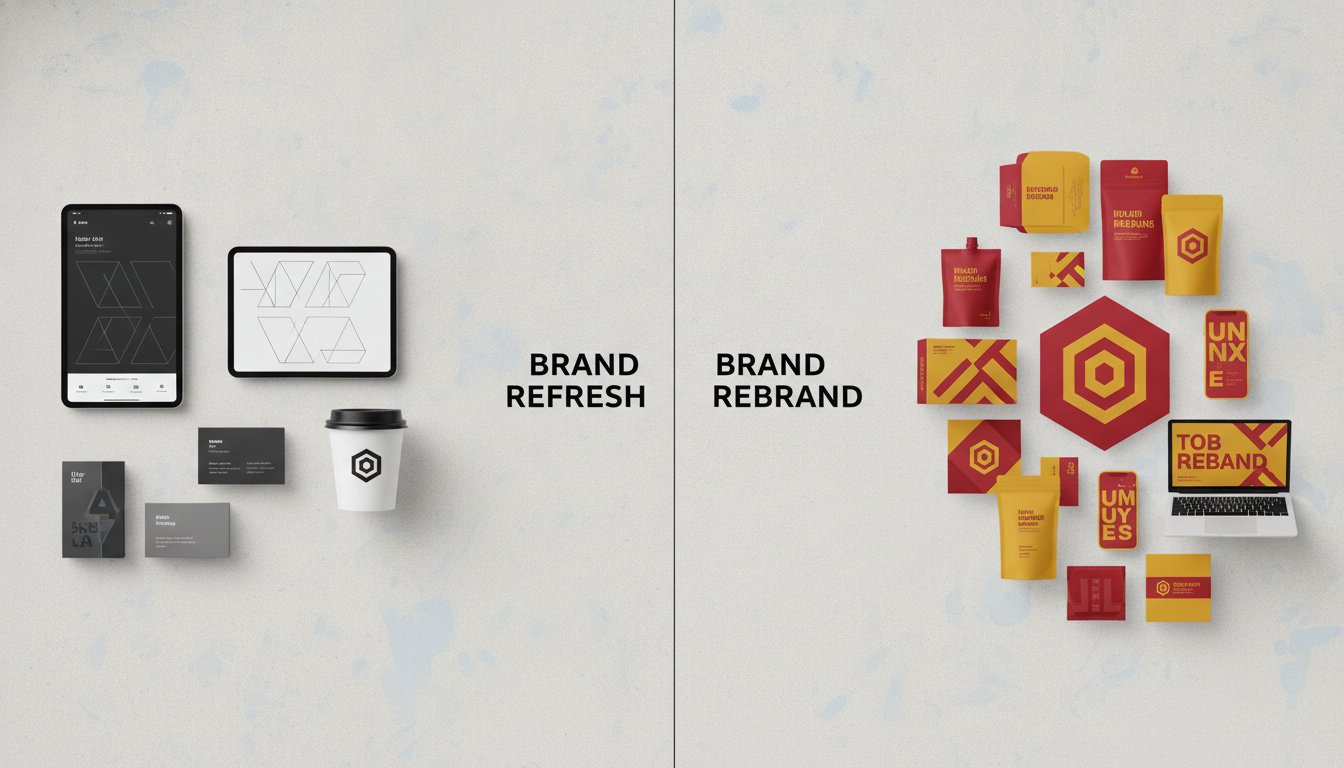
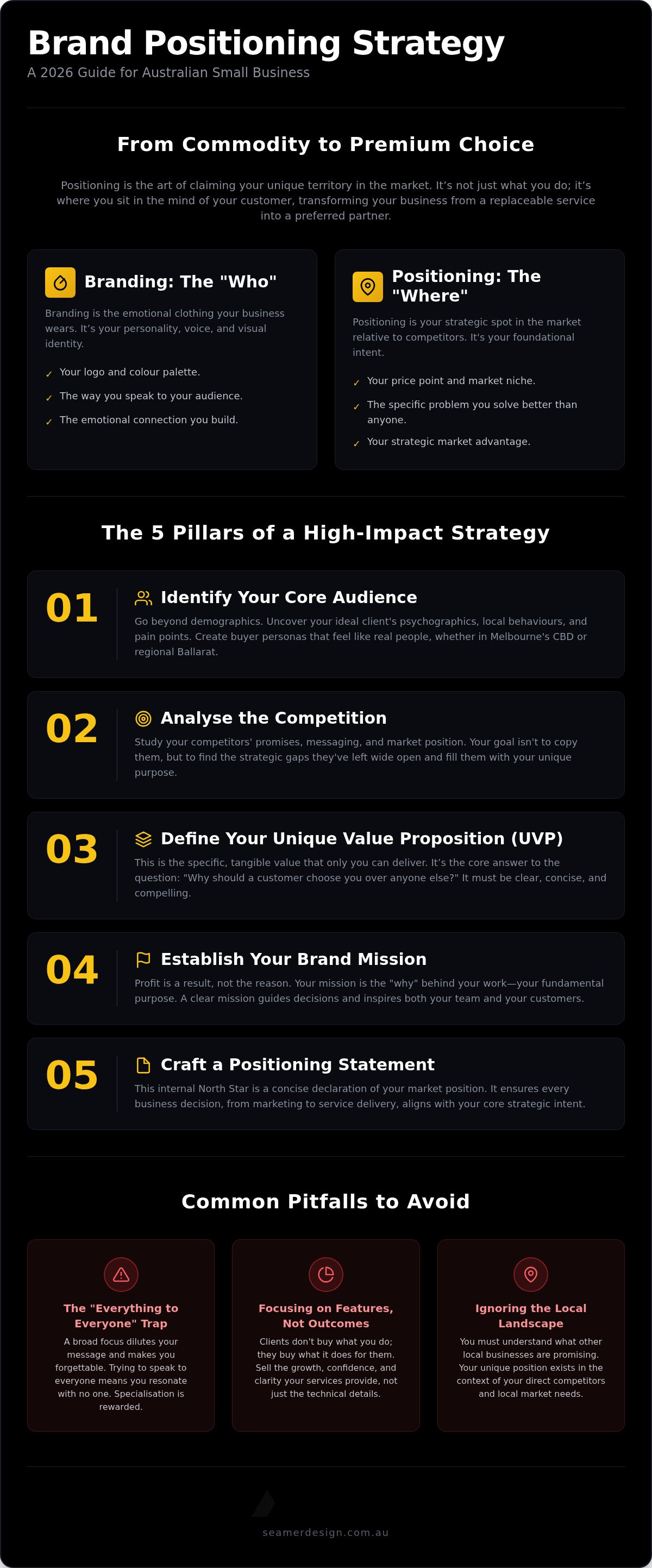
These terms are often used interchangeably, but they serve different strategic purposes. Think of branding as the "who." It encompasses your personality, your visual identity, and your unique voice. It is the emotional clothing your business wears. Positioning, conversely, is the "where." It is the specific spot you occupy in the market landscape relative to your competitors. They work in tandem to create a cohesive business identity.
Your logo, colour palette, and the way you speak to your audience.
Your price point, your niche, and the specific problem you solve better than anyone else.
Your positioning provides the strategic foundation, while your branding expresses that position to the world. One is the intent; the other is the execution. When they are aligned, your business feels intentional and grounded.
Many owners fall into the "everything to everyone" trap. They fear that narrowing their focus means losing out on potential revenue. In reality, a broad focus dilutes your message and makes you forgettable. If you try to speak to everyone, you end up resonating with no one. You become a "generalist" in a world that rewards specialists.
Another common error is focusing on technical features instead of emotional outcomes. Your customers don't just want a website or a piece of packaging; they want the growth, confidence, and clarity those tools provide. Finally, many businesses ignore the local competitive landscape. Whether you are operating in the heart of Melbourne or the growing regional hubs of Ballarat, you must understand what others are promising to find the gap they've left behind. Positioning is about finding that gap and filling it with purpose.
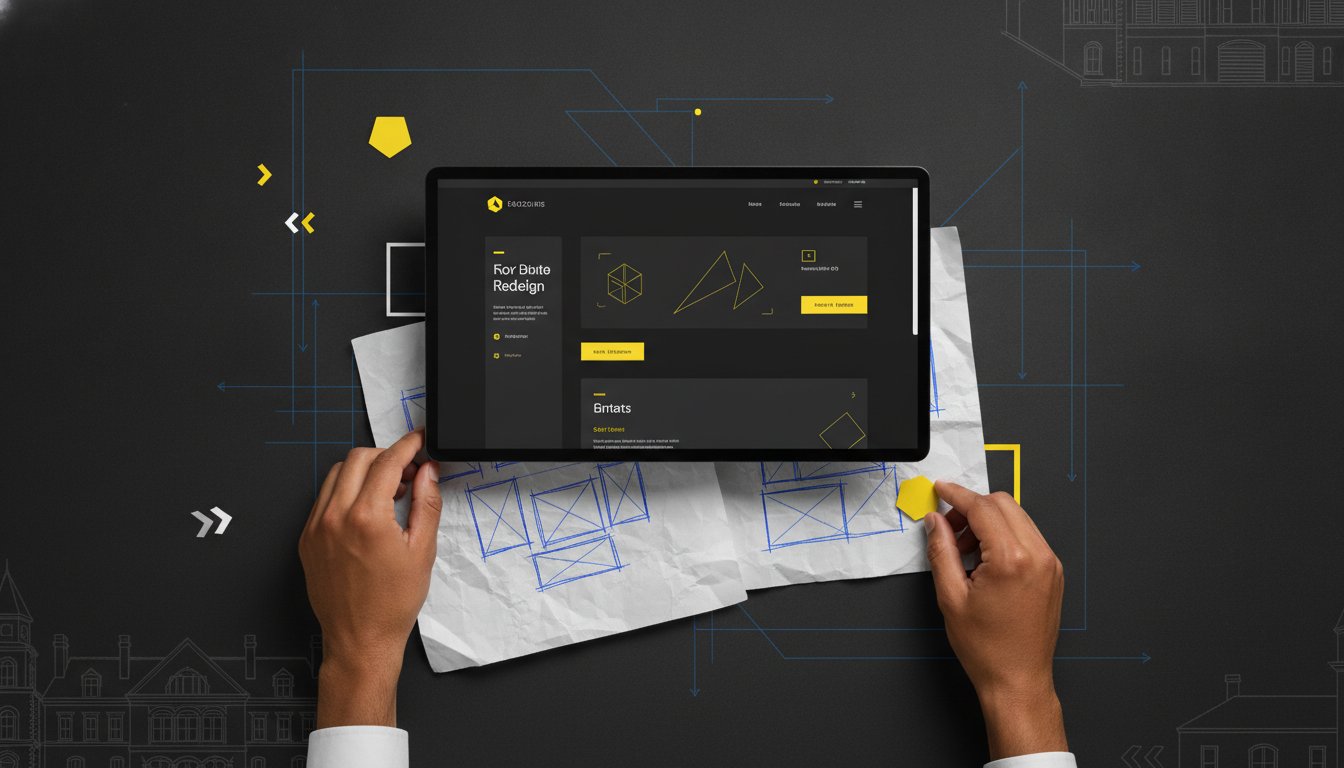
Positioning is not a matter of luck. It is a deliberate architectural feat. To build a brand that resonates in a crowded market, you must anchor your business to five structural pillars. First, identify your core audience. You need to know more than their age or location; you must uncover what keeps them up at night. Second, analyse the competition. Study their promises to find the gaps they've left wide open. Third, define your Unique Value Proposition (UVP). This is the specific value that only you can deliver. Fourth, establish your brand mission. Profit is the result of your work, but your mission is the reason you exist. Finally, craft a positioning statement. This acts as an internal North Star, ensuring every business decision aligns with your strategic intent.
A successful brand positioning strategy for small business requires this level of depth to move beyond superficial marketing. It creates a foundation where your visual identity and messaging can thrive. Strategic clarity is the first step toward a premium brand. It requires a deep dive into the heart of your operation. At Seamer Design, we facilitate this through a collaborative brand strategy process that uncovers your true market potential and sets the stage for meaningful growth.
Effective segmentation for Australian SMEs goes deeper than basic demographics. It is about psychographics and local behaviours. A boutique business in Melbourne's CBD faces different cultural pressures than a family-run firm in regional Ballarat. You need to create buyer personas that feel like real people, not just data points. Focus on the specific pain points your brand solves. Are your customers looking for status and prestige, or do they simply need a reliable partner who understands their local industry challenges? When you speak their specific language, you bridge the gap between a transaction and a connection.
Finding the "white space" is about spotting where your competitors are absent. Map your rivals on a positioning grid. Plot price against innovation, or perhaps speed against bespoke quality. Look for the underserved niches in your local market where customer needs aren't being met. Your UVP should be a sharp, single sentence that defines your market gap. For example: "We provide high-end packaging design for Ballarat-based makers who need premium shelf presence without the overheads of a global agency." This clarity makes your brand the obvious choice for a specific person with a specific problem.
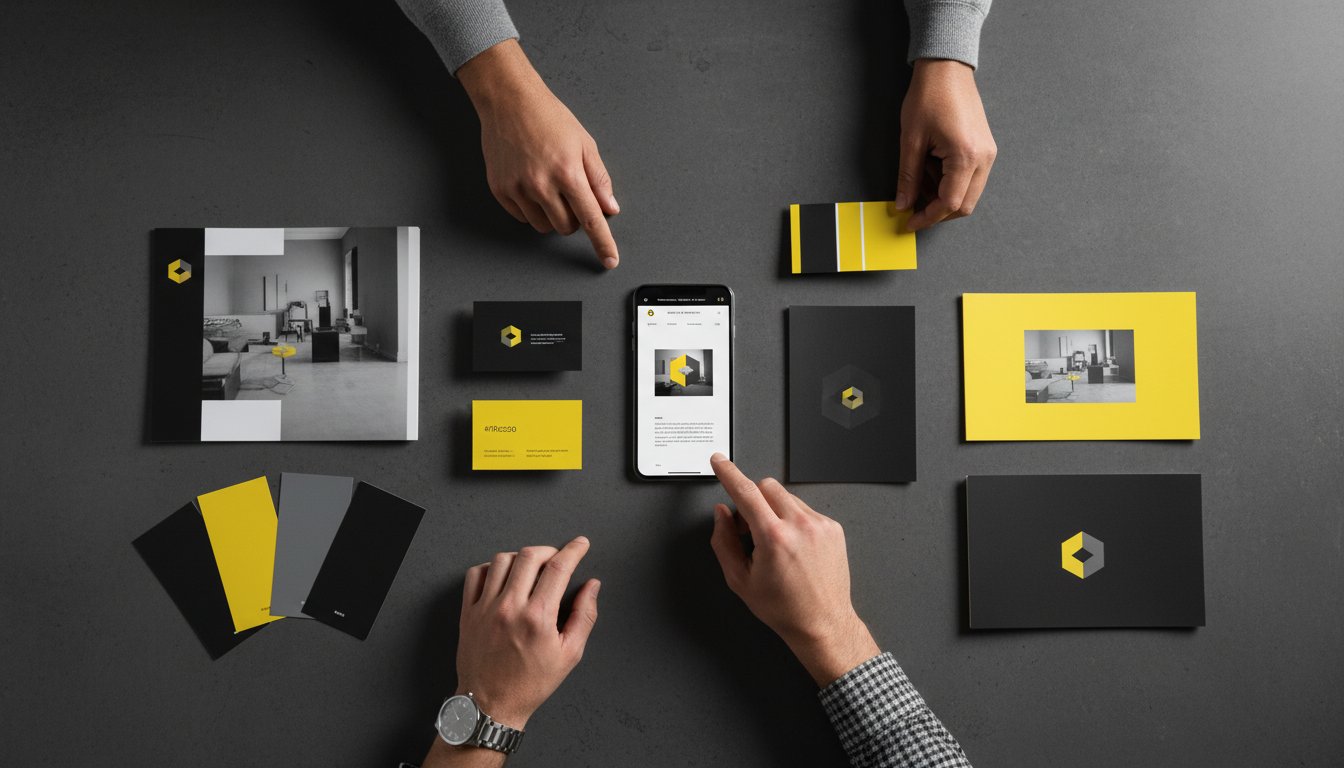
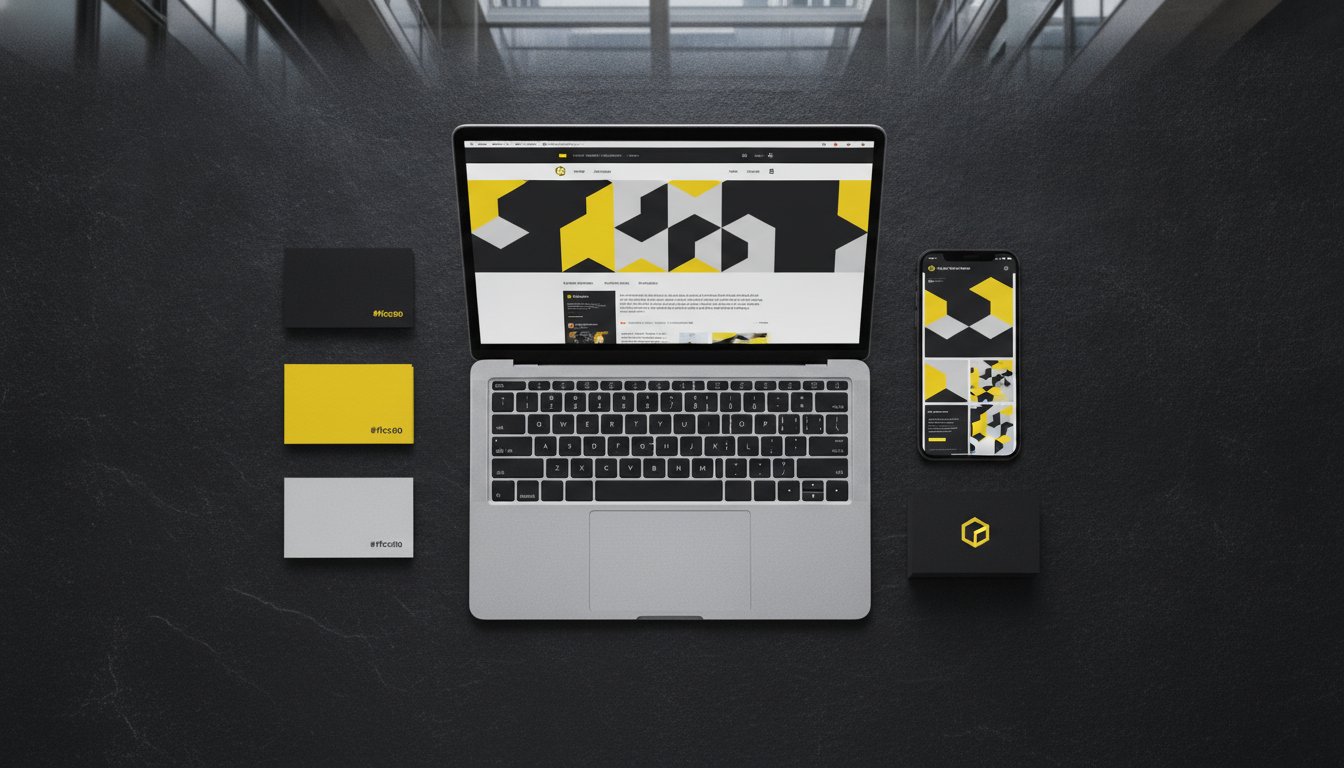
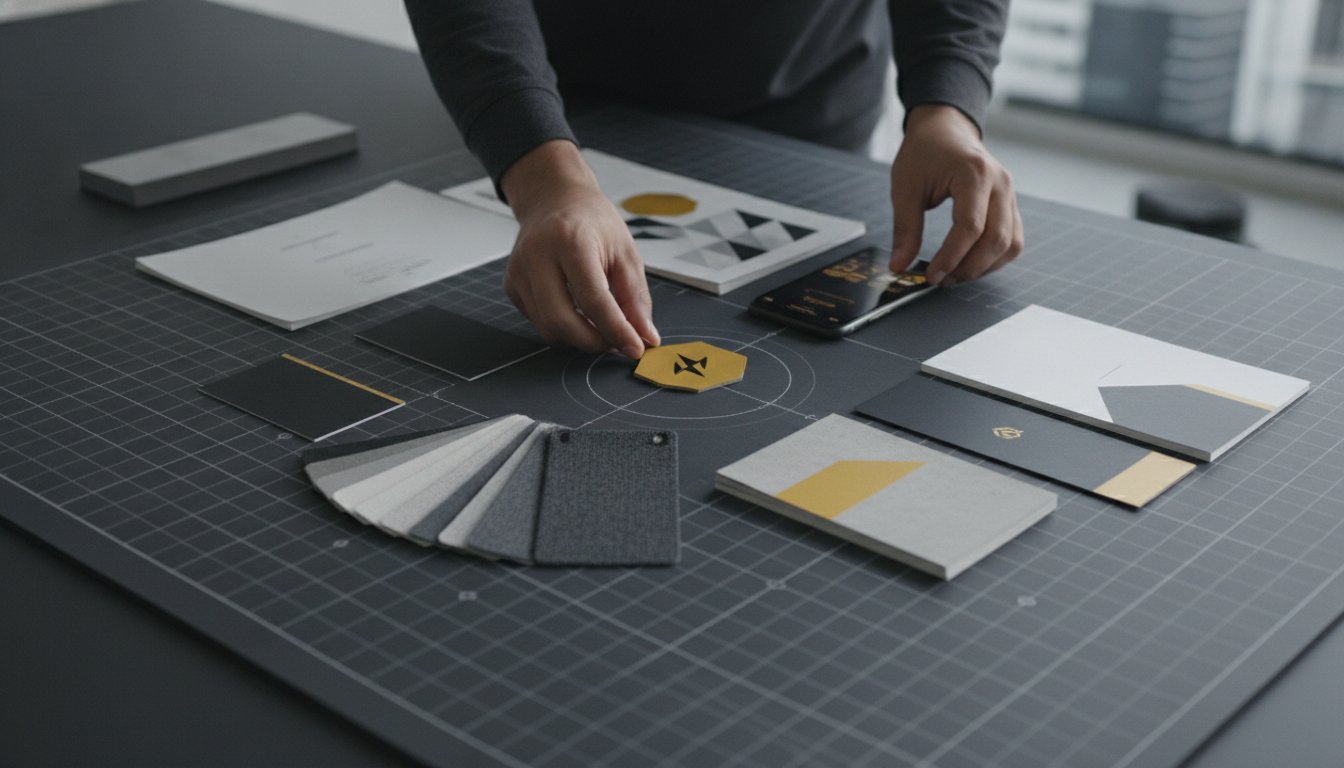
Strategy is the soul of your brand. Design is the body. If you lead with a logo before defining your position, you risk creating an "empty" brand. It might look aesthetically pleasing, but it will lack the weight of purpose. Your market position must dictate every creative choice, from your colour palette to your typography. A premium brand positioning strategy for small business often relies on minimalist layouts and sophisticated serif fonts to signal authority. Conversely, a disruptive startup might use high-contrast colours and bold, sans-serif type to communicate energy and innovation.
Investing in professional visual identity design is about more than making things look "nice." It is about communicating trust and competence without saying a word. Your visual language acts as a strategic shorthand for your values. It reinforces your position at every glance, ensuring that the first impression matches the internal truth of your business. When strategy and design are aligned, your brand feels intentional and grounded.
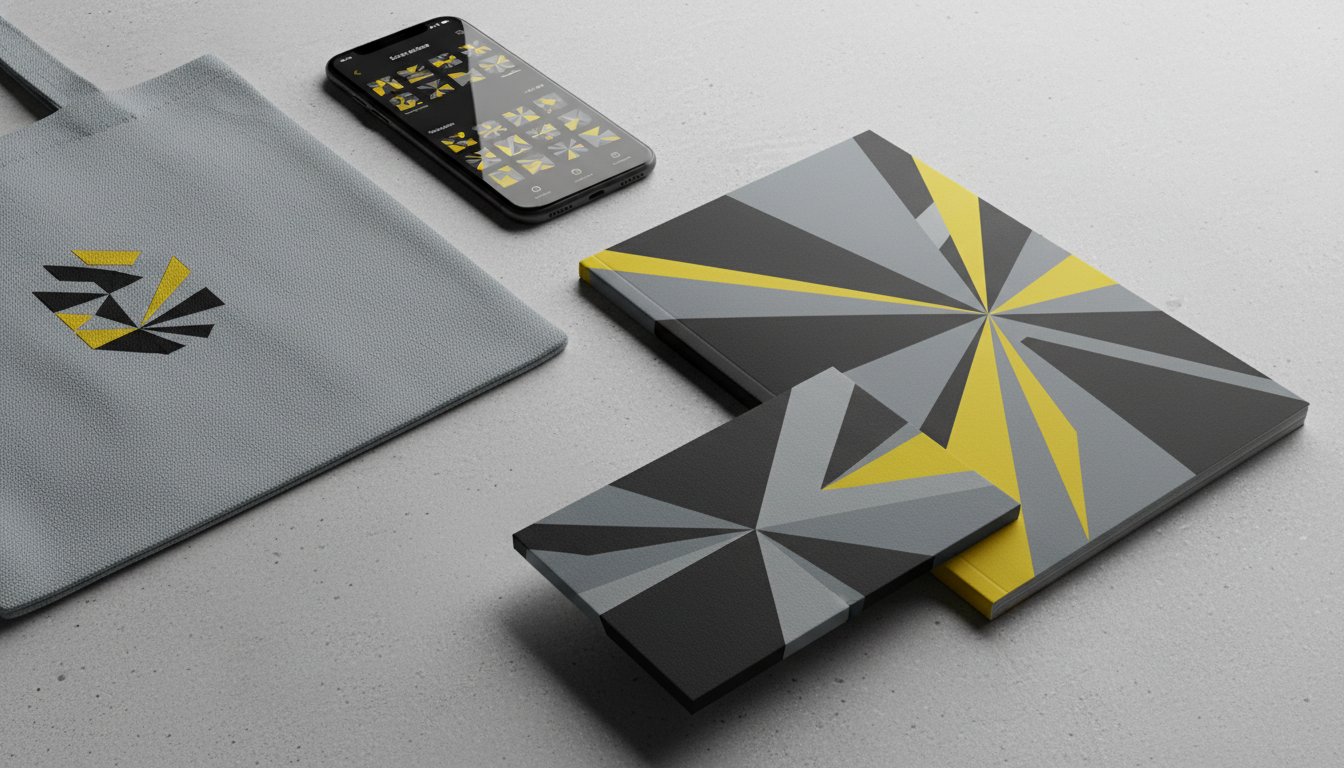
Design is a silent ambassador for your business. A premium position is often communicated through restrained, high-end design that avoids unnecessary clutter. It signals that you are confident in your value. For businesses in regional hubs, professional graphic design in Ballarat provides essential local credibility. It shows you are a serious player capable of competing on a national stage. Your website must also reflect this position from the first click. A slow, dated, or confusing interface erodes a "premium" promise instantly. It suggests a lack of care that customers will associate with your service.
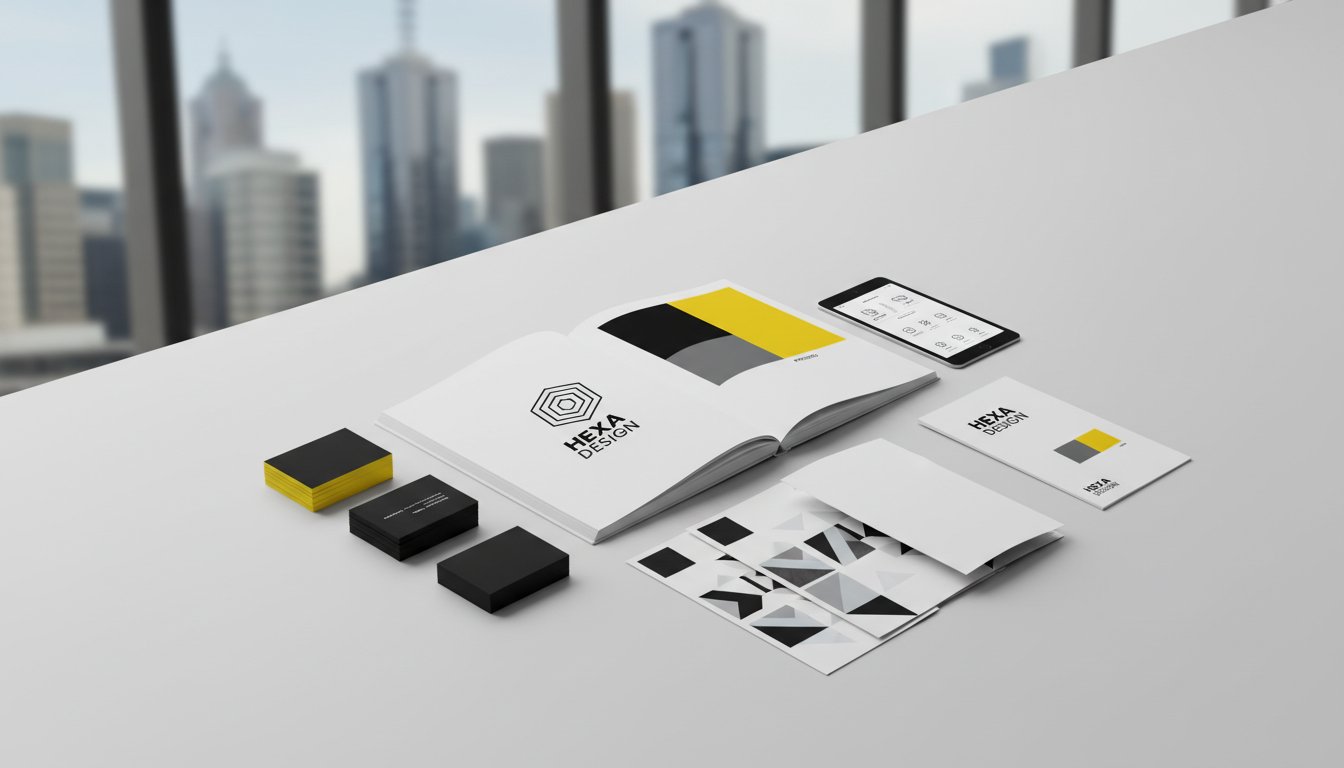
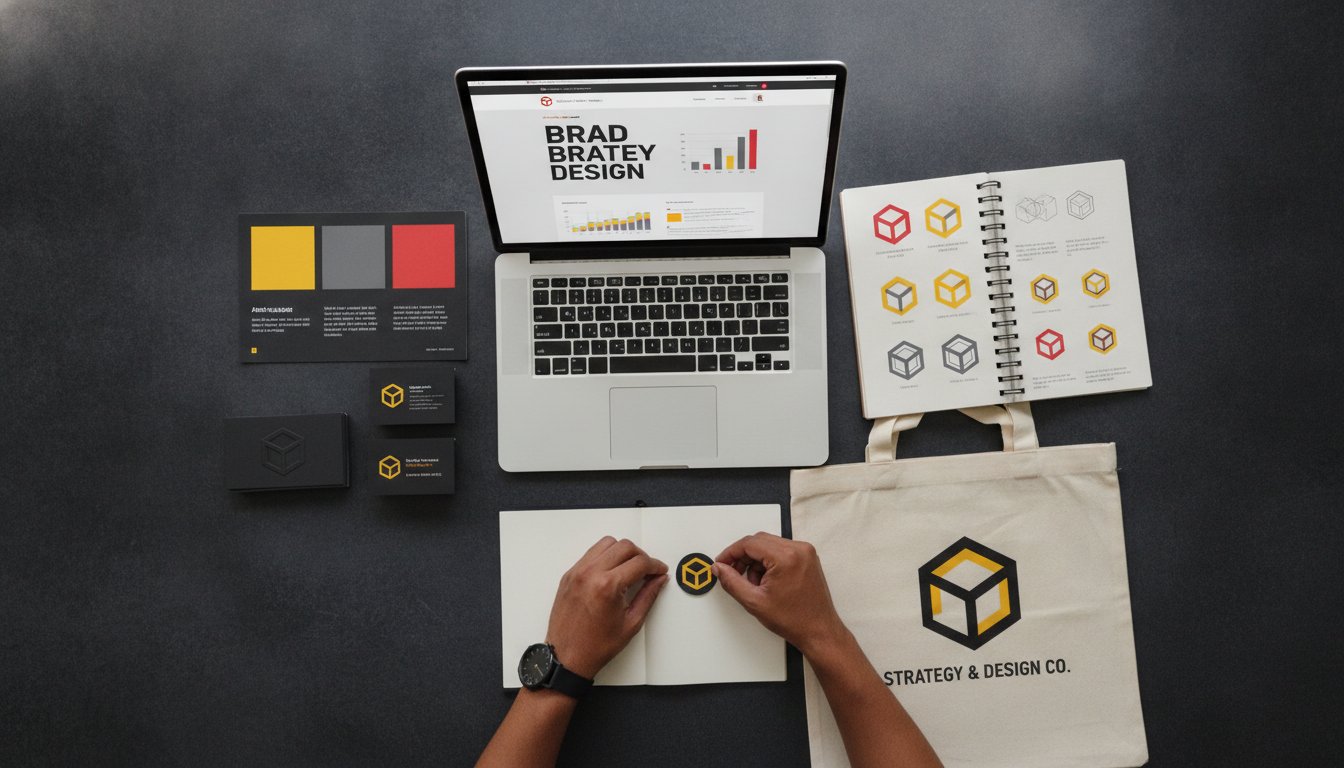
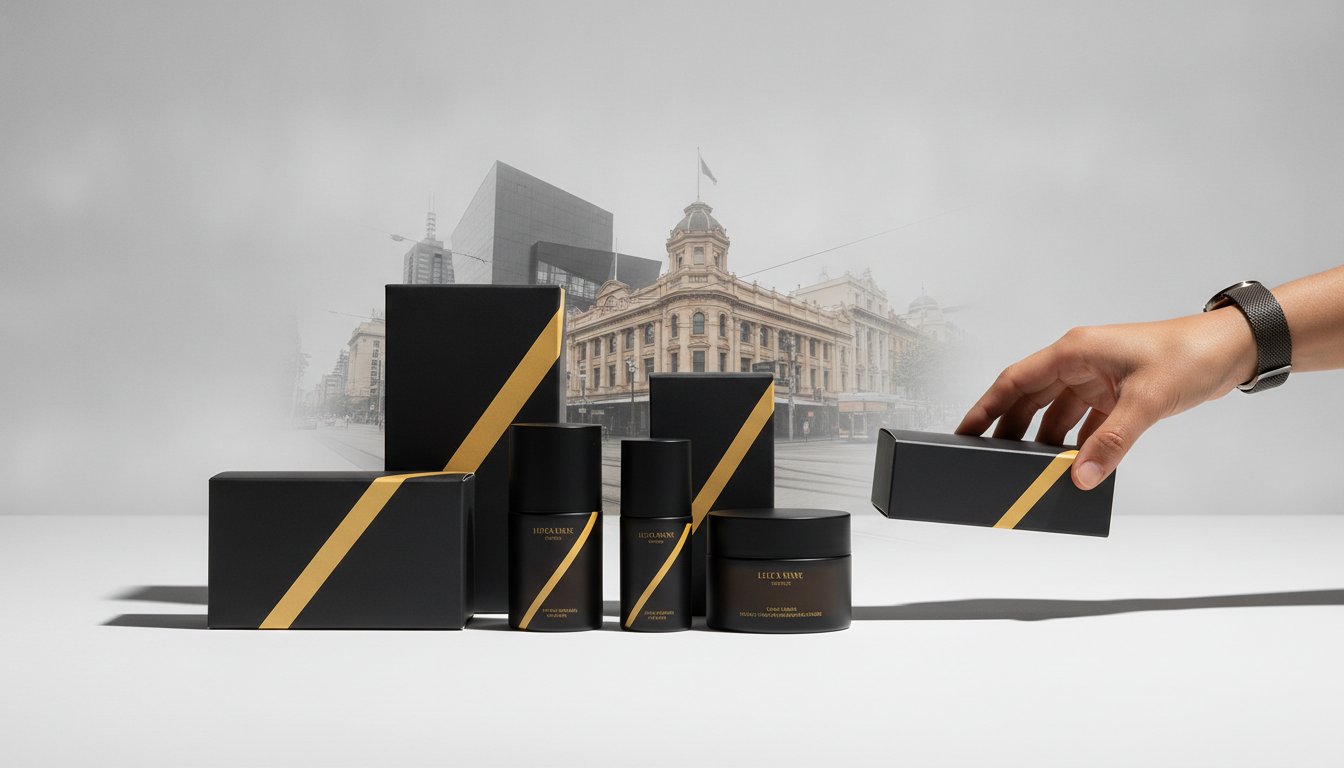
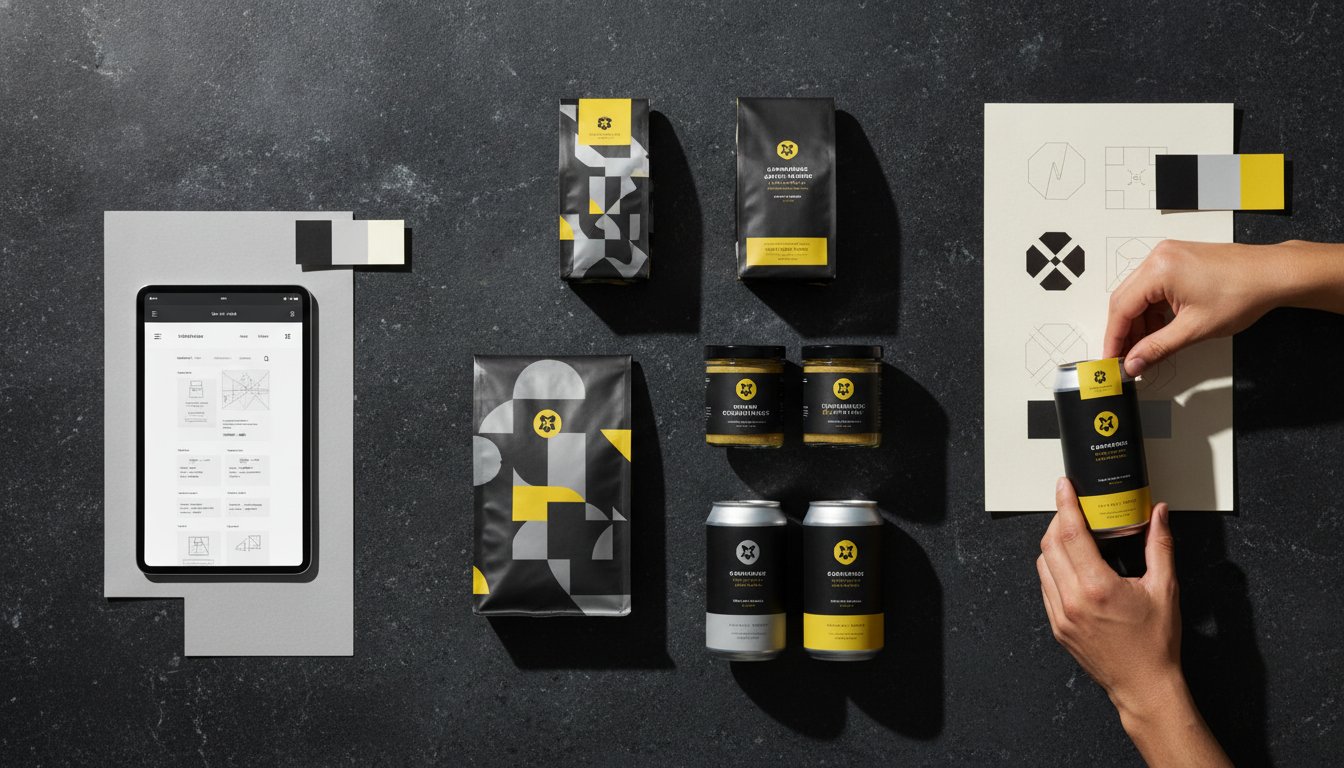
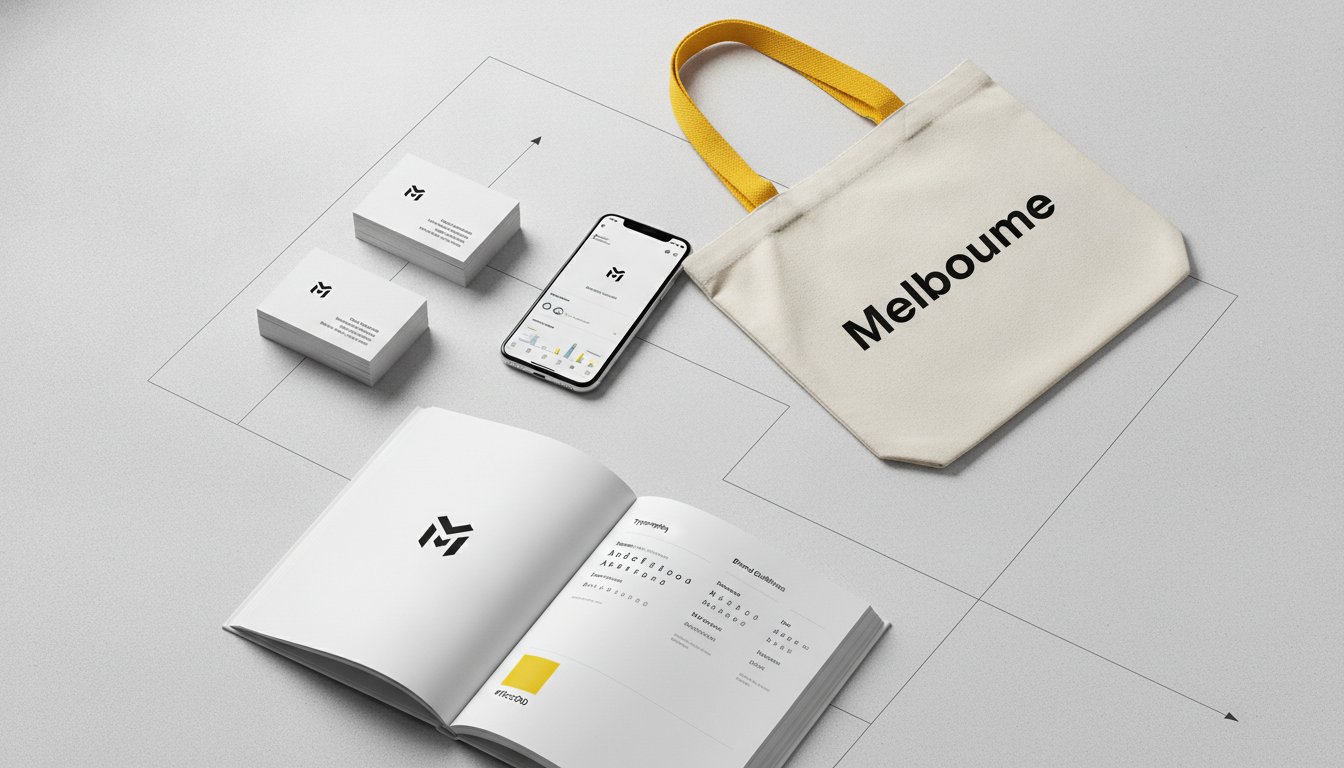
Consistency is the bedrock of brand recognition. A brand identity manual is an essential tool to maintain your position as you scale. It ensures your 2026 marketing materials look as intentional and professional as your first campaign. For product-based businesses, aligning packaging design with your core brand promise is vital. It is the physical manifestation of your strategy. Every customer interaction either builds or erodes your position. If your strategy promises luxury but your packaging feels flimsy or cheap, the emotional connection with your audience breaks. Every touchpoint must tell the same story.
Competing solely on price is a strategic dead end. It is a race to the bottom where the only winner is the one who can survive on the thinnest margins. When you base your brand positioning strategy for small business on being the "cheapest", you attract clients who value cost over quality. These relationships are often transactional and fleeting. Similarly, inconsistent messaging dilutes your authority. If you change your brand story every time a new trend emerges, your audience loses track of who you are and what you stand for. Clarity requires discipline.
Your founder story is a powerful asset that many SMEs overlook. In a world of faceless corporations, your personal journey and "why" provide a point of human connection that cannot be commodified. It makes your brand relatable and authentic. However, positioning is not static. As we move through 2026, market dynamics and consumer expectations continue to shift. Failing to review and evolve your position means risking irrelevance. You must stay ahead of the curve to remain a leader in your niche. Avoiding these pitfalls starts with a deep dive into your business's core purpose. If you are ready to move beyond generic claims and build a brand with lasting impact, explore our brand strategy services to redefine your market presence.
Claiming to "provide great service" is not a strategy; it is a basic expectation. To stand out, you need a specific hook that sticks in the mind of your customer. Are you the fastest? The most bespoke? Or perhaps you offer a unique culinary fusion like South Sailor, which distinguishes itself by blending Japanese influence with Modern Australian seafood. Corporate jargon like "synergy" or "end-to-end solutions" often alienates the very people you want to reach. Speak plainly. Focus on the tangible emotional outcomes you provide. When you solve a specific problem for a specific person, you become indispensable. Specificity builds trust where generalisations create doubt.
For businesses in Melbourne and Ballarat, your geographic roots are a badge of honour. Lean into them. Local identity builds immediate community trust that national firms simply cannot buy. It allows you to position yourself as a "local champion" who understands the unique pulse of the region. The key is balancing this local charm with professional, high-end execution. You can be a part of the community while still presenting as a sophisticated, world-class entity. This blend of local heart and strategic depth is a formidable competitive advantage. It turns proximity into a premium value proposition.
A successful brand is not a solo endeavour. It requires a strategic partner who understands your goals as deeply as you do. Since 2002, we have helped startups and national brands navigate the complexities of the Melbourne and Ballarat creative landscapes. Our boutique approach provides the strategic depth of a large consultancy with the personal touch of a dedicated partner. We have spent over 20 years bridging the gap between a business's current state and its visionary future. We don't just execute tasks. We champion your long-term success.
Our collaborative Discovery Process is the foundation of every project we undertake. We uncover the heart of your operation before a single design element is created. This ensures your brand positioning strategy for small business is rooted in authentic truth rather than fleeting trends. We provide a full-service experience, moving seamlessly from initial strategy to custom website development and visual identity. This holistic view prevents the fragmentation that often plagues growing companies as they attempt to manage multiple vendors.
We believe the best brands are built through genuine partnership. Our strategists and creatives work in tandem to ensure your visual identity reflects your strategic intent. We act as a creative catalyst, helping you move from a cluttered market presence to a visionary, grounded future. This collaborative experience is designed to be both methodical and energetic. We ensure your brand remains innovative while staying firmly rooted in your core values. It is a process that respects your time and empowers you to lead your industry with professional confidence.
Defining your position is a long-term investment in your company's equity. A professionally managed strategy provides the clarity needed to stay consistent as you scale. It prevents the "messaging drift" that often happens during periods of rapid growth or market shifts. Whether you are targeting a local niche in regional Victoria or planning a national expansion, we provide the strategic depth required to stand out. Your brand is your most valuable asset. Organise a brand strategy session with Seamer Design today and begin the transformation from a commodity to a market leader.
Your brand's future is defined by the space you choose to occupy today. We have explored how a robust brand positioning strategy for small business moves you beyond being a commodity and into a space of authentic connection. By anchoring your visual identity to a clear strategic foundation, you build a brand that resonates with clarity and purpose. Avoiding the race to the bottom on price is essential for sustainable, high-end growth. It is about being seen for your true value and potential.
Success in the coming years requires more than just a logo; it demands a partner who understands the bridge between strategy and design. Seamer Design brings 20+ years of creative excellence to every collaboration. We are a boutique agency with national reach, offering a strategic and design-led approach that transforms how the world sees your business. We help you move from being just another option to being the definitive choice in your industry. It is time to elevate your narrative and lead with intentionality.
Elevate your brand with a strategic positioning session today. Let's build something visionary and grounded together.
The investment for a strategic positioning project varies based on the complexity of your market and the depth of the discovery process required. It is best to view this as a foundational investment in your business asset rather than a simple marketing expense. While we don't provide fixed prices here, most professional consultancies offer tiered approaches that align with your current growth stage and long-term aspirations.
A comprehensive strategy typically takes between four to eight weeks to develop from initial discovery to final documentation. This timeframe allows for deep market research, competitor analysis, and collaborative workshops that uncover the heart of your business. It is a methodical yet energetic process that ensures your new position is both visionary and grounded in reality.
A logo is merely a visual identifier, whereas a brand positioning strategy for small business is the strategic soul that gives that mark meaning. Without a strategy, your logo is just an aesthetic choice that may not resonate with your ideal audience. Strategy ensures your visual identity design communicates trust, authority, and your unique value proposition to the market.
Yes, your positioning can and should evolve as your business scales and market conditions shift. While your core mission often remains constant, your specific market "hook" might need refining to stay relevant in a changing landscape. We recommend a strategic review every few years to ensure your brand remains a leader in its niche and continues to attract high-quality leads.
Your Unique Selling Proposition (USP) is a customer-facing hook that highlights a specific benefit, while a positioning statement is an internal North Star. The USP tells a customer why they should choose you over a competitor right now. The positioning statement is a broader internal guide that ensures every business decision, from packaging to website development, remains consistent with your strategic goals.
You will know your positioning is effective when you stop competing solely on price and start attracting clients who value your specific expertise. Effective positioning results in more consistent messaging across all platforms and a higher conversion rate of ideal leads. If your team feels clear about who you serve and why you are different, your strategy is doing its job.
Positioning is often even more critical for service-based firms because you are selling an intangible promise rather than a physical product. A robust brand positioning strategy for small business helps service providers build authority and bridge the gap between a prospect's problem and your expert solution. It transforms you from a generic service provider into a specialist partner that clients trust.
A Melbourne-based agency with local Ballarat roots offers a sophisticated, broad-reaching perspective combined with a deep understanding of regional community values. This partnership allows your business to benefit from high-end, national-standard design while maintaining its authentic local heart. It is the perfect blend of professional confidence and local champion spirit that helps you outmanoeuvre larger, less agile firms.






.jpg)
.jpg)
%20(1).jpg)