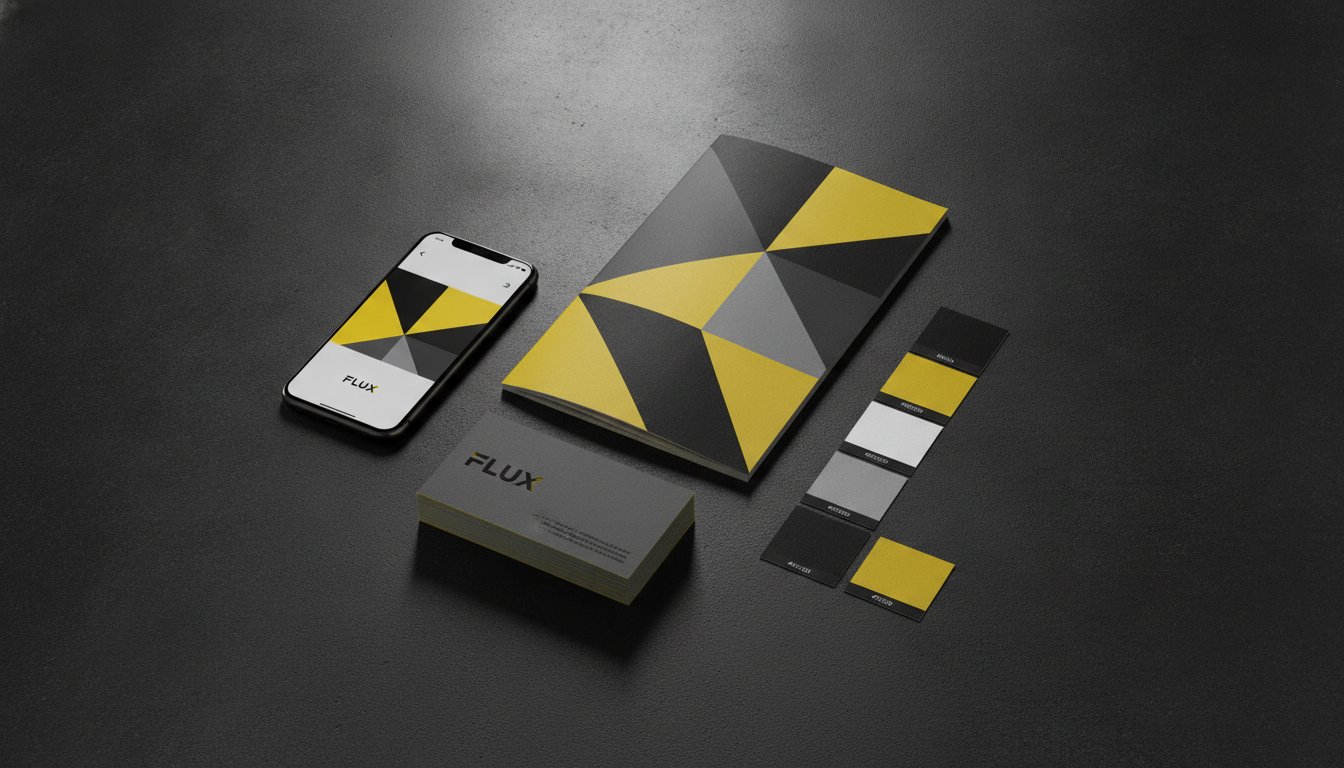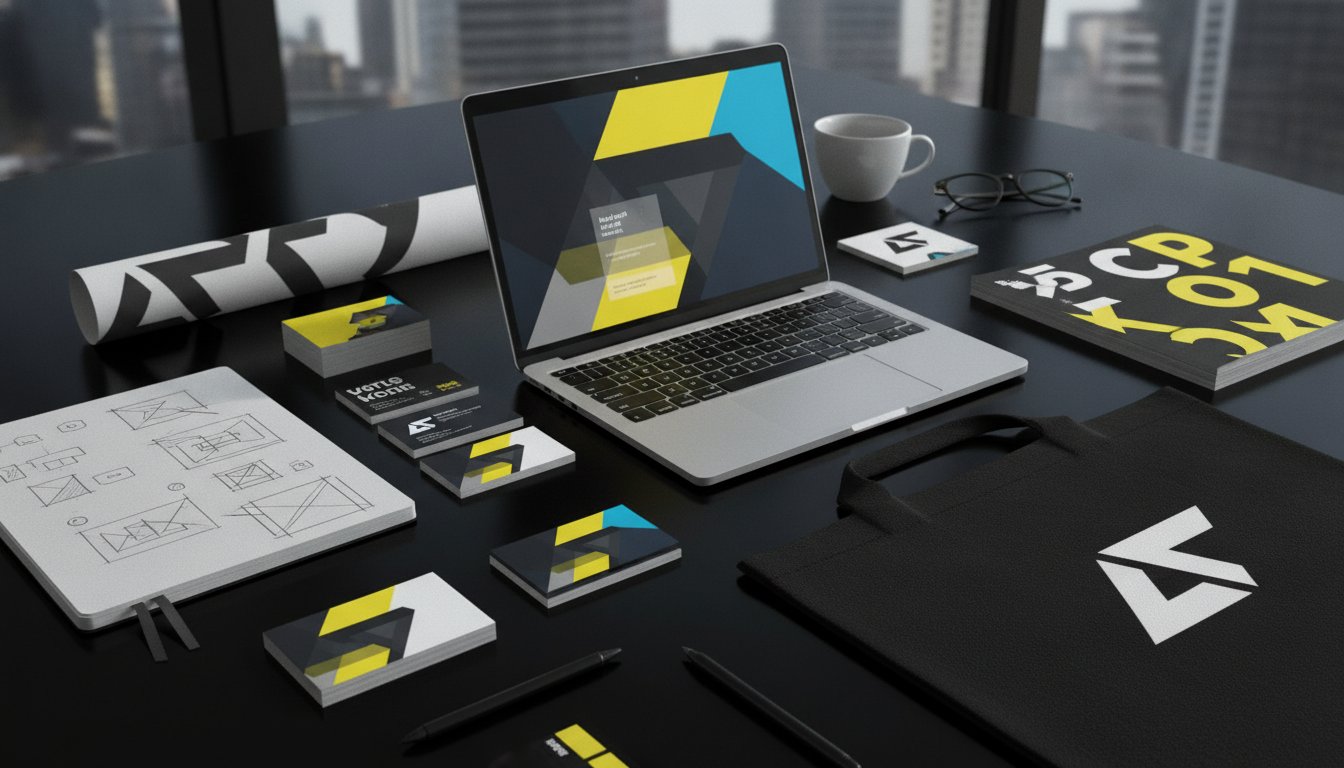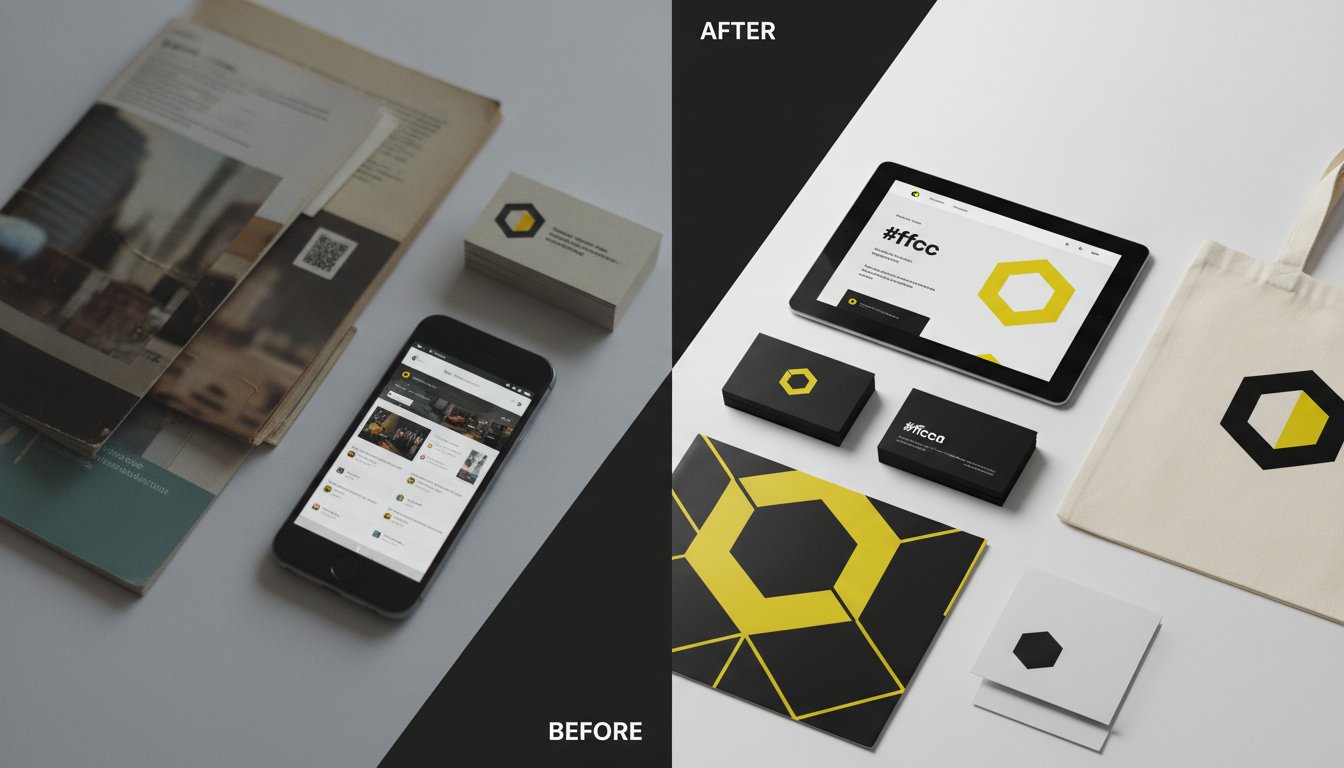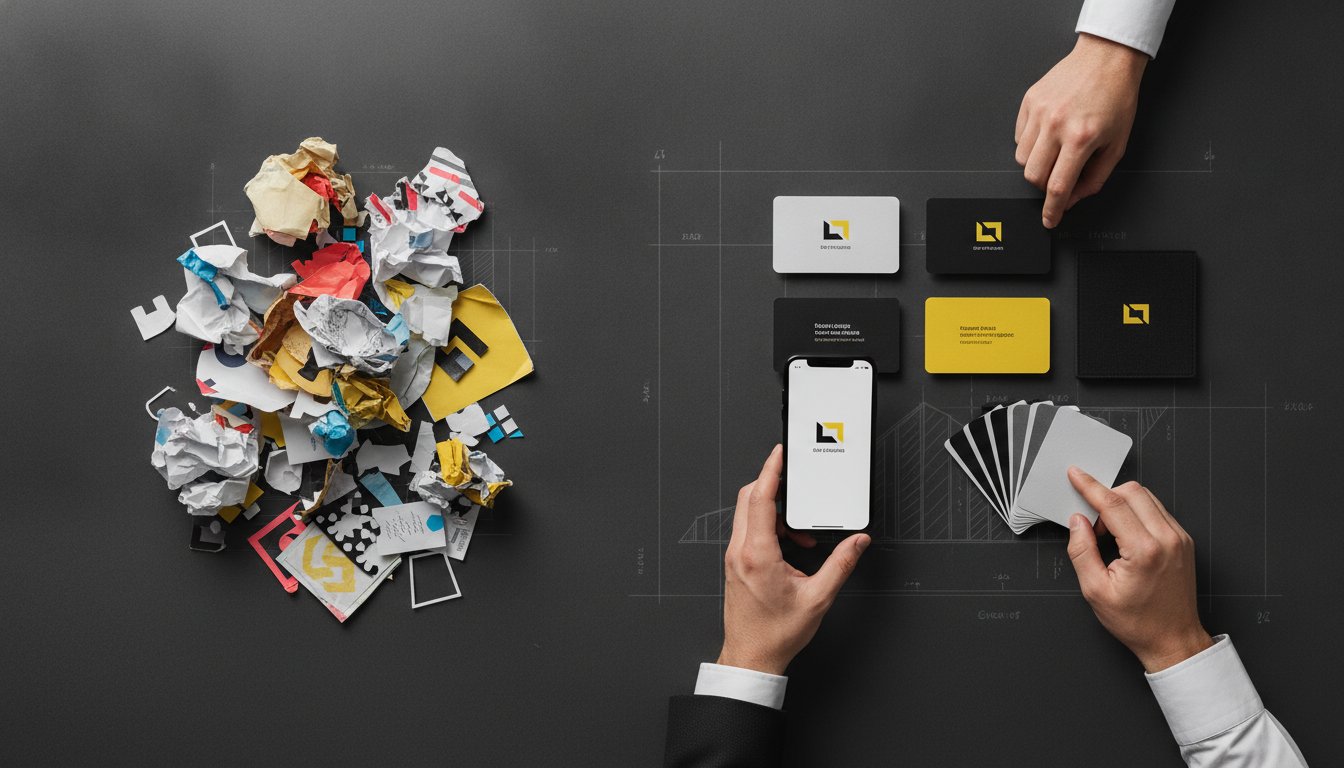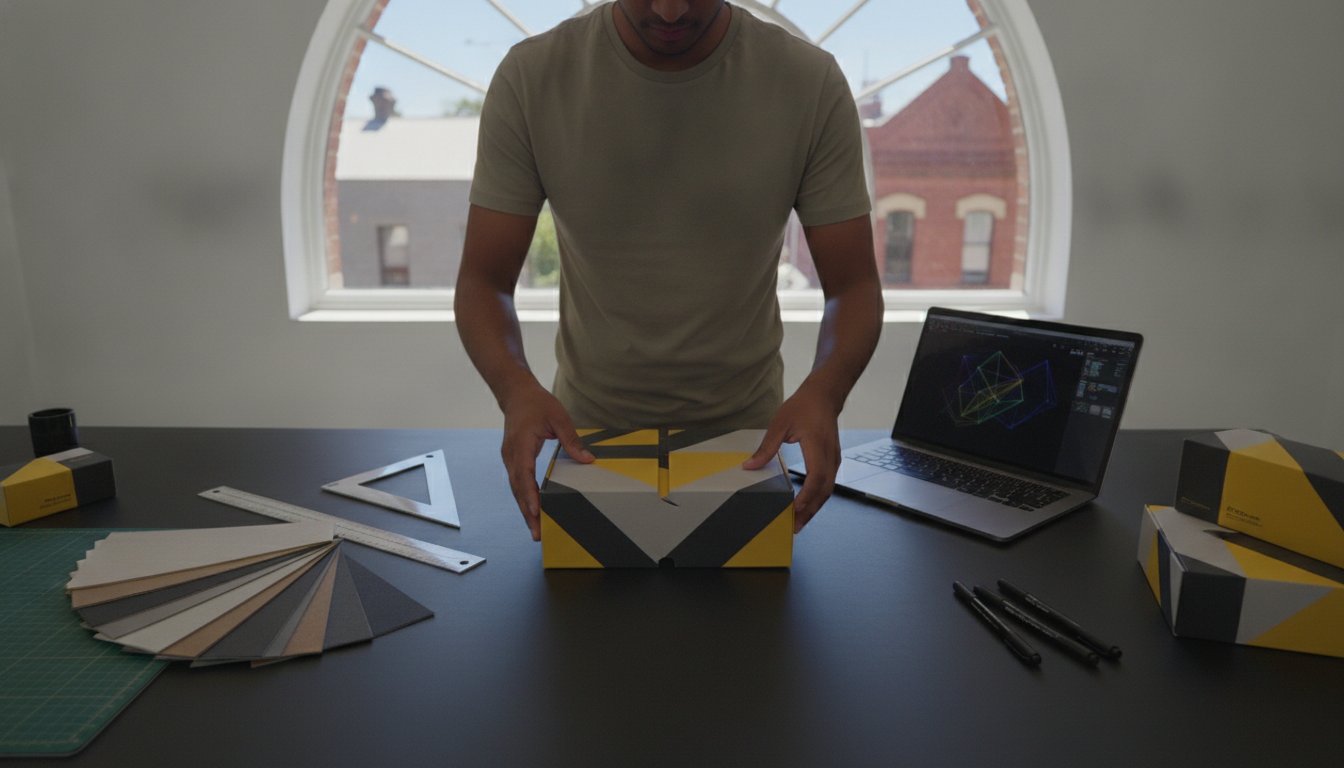
Did you know that 72% of consumers admit packaging design directly influences their final purchase decisions? It’s a confronting figure when you’re a small business owner staring at a plain mailer box. You’ve poured everything into your product, yet it still feels "cheap" compared to the big-budget competitors on the shelf. We understand that tension. Finding the right packaging design for small business means balancing your vision with Australia’s mandatory 2026 packaging targets and tight operational budgets.
Your packaging is your most powerful, cost-effective brand ambassador. It’s the physical bridge between a customer’s first click and their long-term loyalty. This guide provides a clear roadmap to elevate your brand through intentional design. We’ll show you how to justify a premium price point, balance shipping logistics with beautiful aesthetics, and create the kind of unboxing experience that lights up social media. It’s time to stop thinking of your box as just a container and start seeing it as your most valuable marketing tool.
• Reframe packaging as a strategic asset. Move beyond viewing boxes as simple containers to seeing them as vital brand ambassadors.
• Master the hierarchy of information. Use colour psychology and layout to guide the Australian consumer journey at the moment of truth.
• Optimise your investment. Discover how strategic packaging design for small business balances high-end aesthetics with practical shipping costs.
• Meet the 2026 sustainability targets. Learn to navigate APCO requirements and eco-friendly labelling with confidence.
• Prioritise strategy over execution. Understand why a creative catalyst provides more value than a basic printing service.
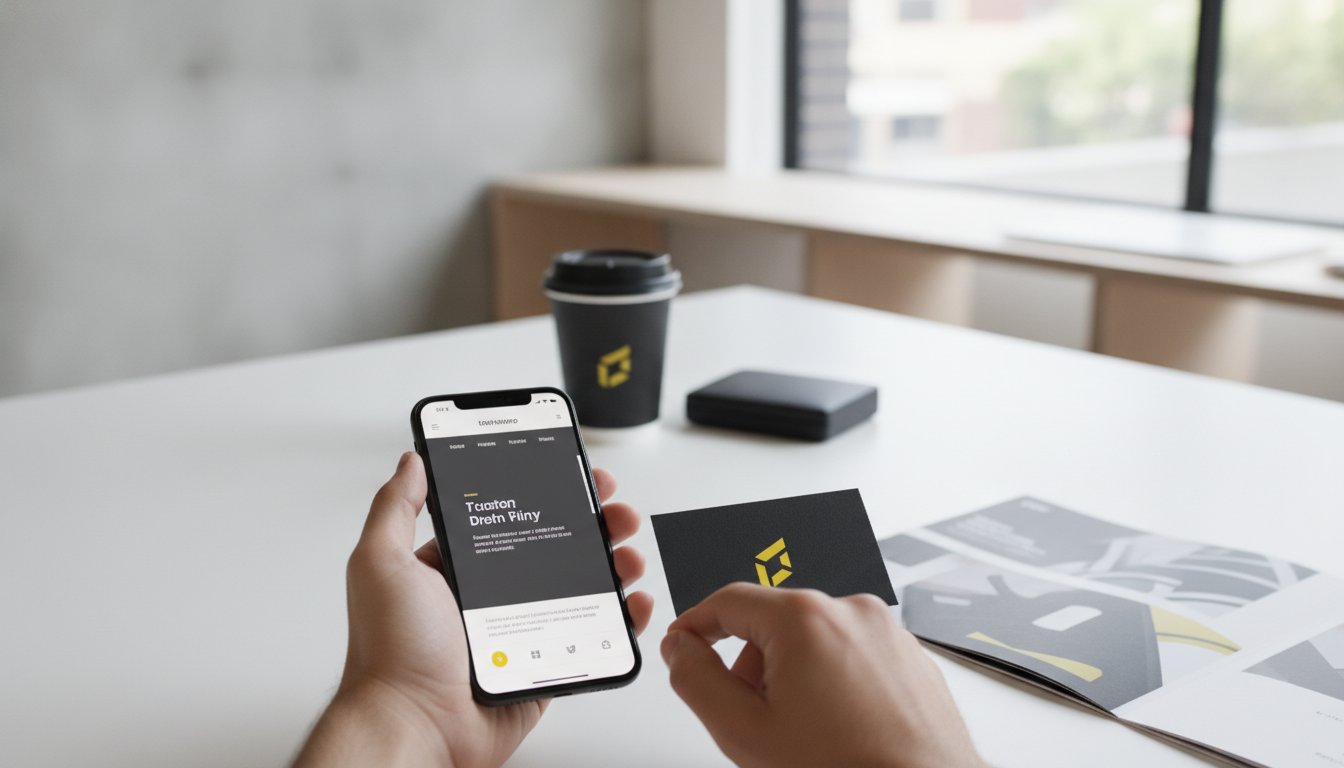
Packaging is your brand’s final handshake. It is the only marketing channel with a 100% open rate. For an Australian startup, the physical arrival of a product is the "Moment of Truth." This is the point where digital promises become a tangible reality. Strategic packaging design for small business transforms a functional container into a high-performing asset. It bridges the gap between a screen and a home. It allows a local brand to stand tall next to global competitors. It is not just about protection; it is about presence.
Historically, many businesses viewed boxes as a cost to be minimised. That era is over. Modern Australian retail has shifted from utility to experience. When we look at the role of packaging, its purpose now includes brand advocacy and emotional connection. It is your silent salesman. It speaks for you when you aren't in the room. It justifies a premium price point by signalling quality before the product is even touched. Good design makes the price tag feel like a bargain.
The unboxing experience is a psychological event. It triggers a sense of reward. Thoughtful presentation creates a dopamine hit that fosters deep brand loyalty. This isn't just about aesthetics; it is about sequence and tactile delight. Use texture to convey luxury. Use internal layout to create a sense of discovery. When a customer feels special, they share that feeling. This drives organic social media reach through user-generated content. A shareable unboxing experience turns a single customer into a vocal advocate. It increases retention. It makes the next purchase an easy decision.
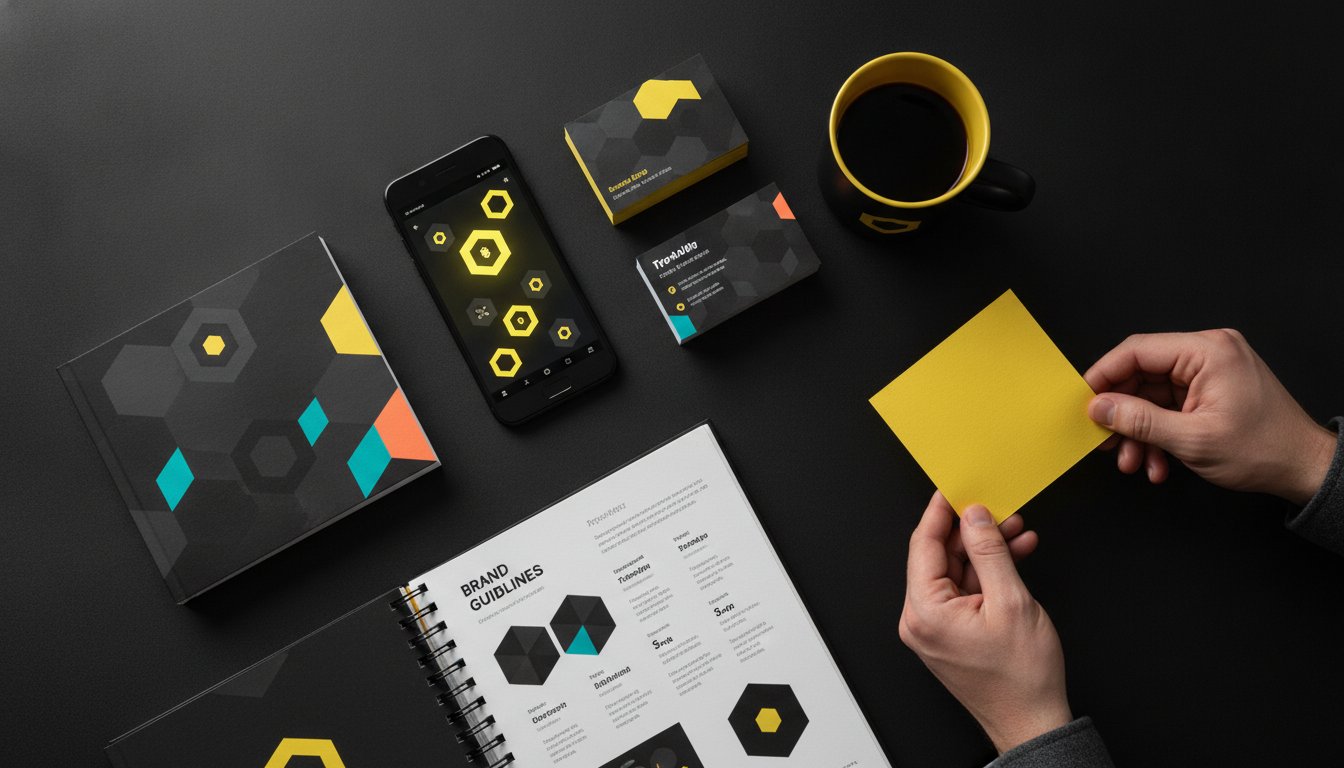
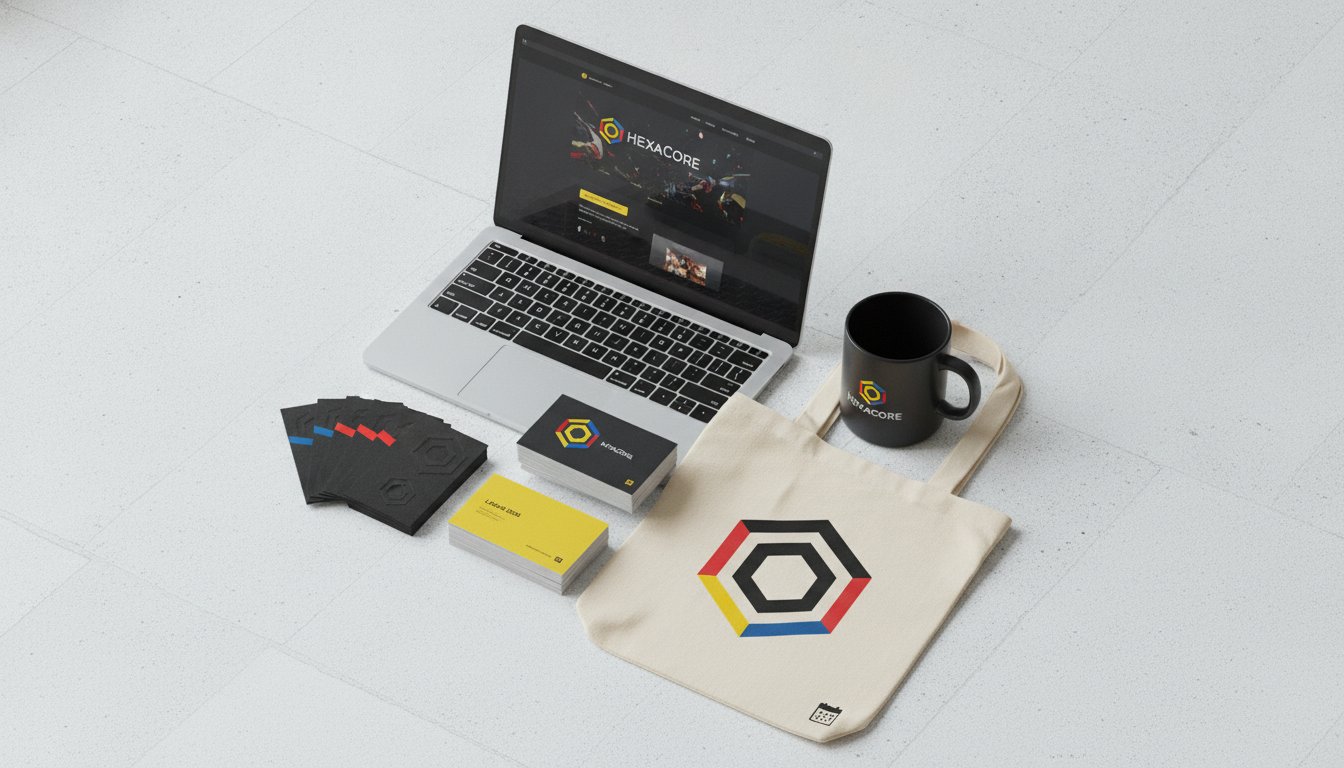
Real estate on a product label is precious. Every millimetre must serve a purpose. This is your opportunity to communicate your origin and your values without saying a word. Your brand voice should be unmistakable here. Whether it is a cheeky note on the inner flap or a minimalist list of ingredients, the tone must be consistent. Integrating your visual identity design across these physical touchpoints is vital. It creates a unified brand world. When your website, your social media, and your box all speak the same language, you build an unshakeable foundation of trust. Effective packaging design for small business ensures your story is heard, even in a crowded marketplace.
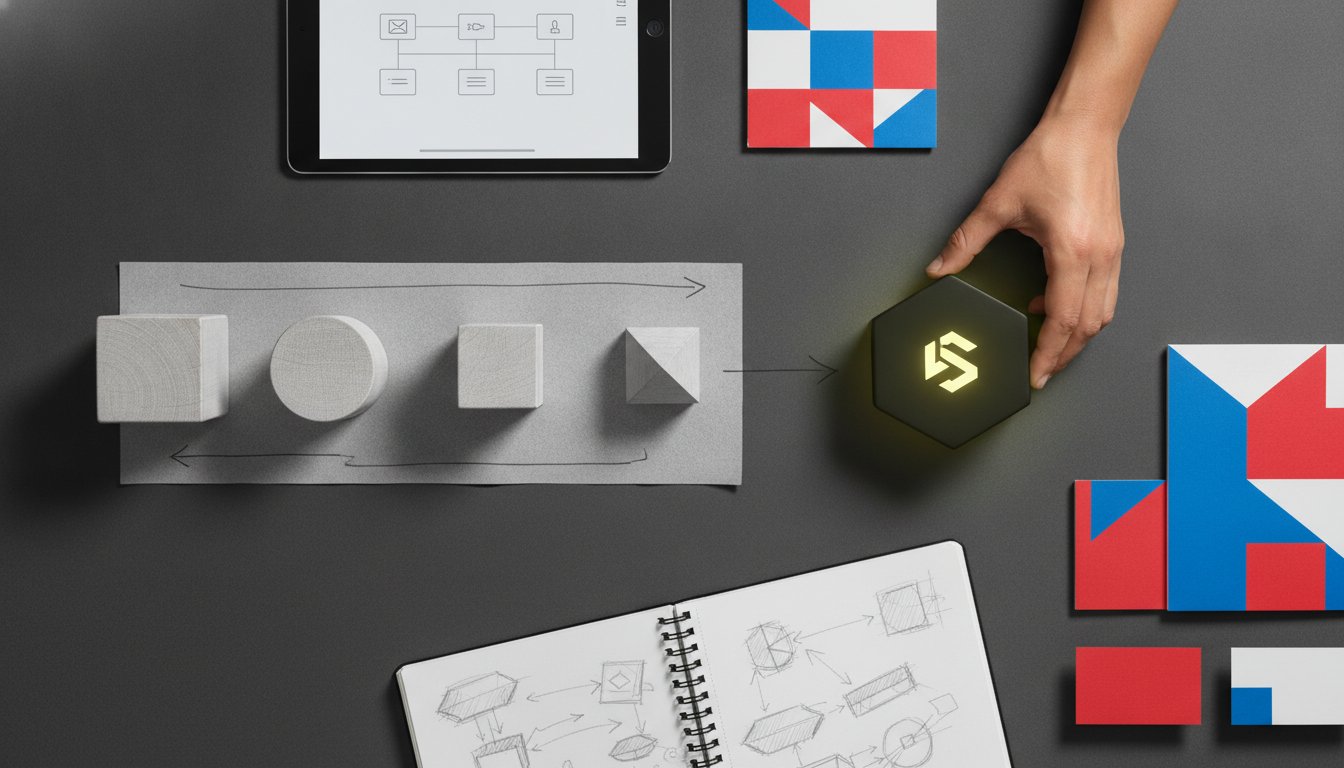
Design is never accidental. Every line, shade, and texture serves a purpose. High-impact packaging design for small business requires a meticulous blend of art and strategy. You aren't just creating a box; you are crafting a physical manifesto of your brand's quality. When these elements align, your product moves from being a commodity to becoming a coveted object. It signals to the customer that what is inside is worth the investment.
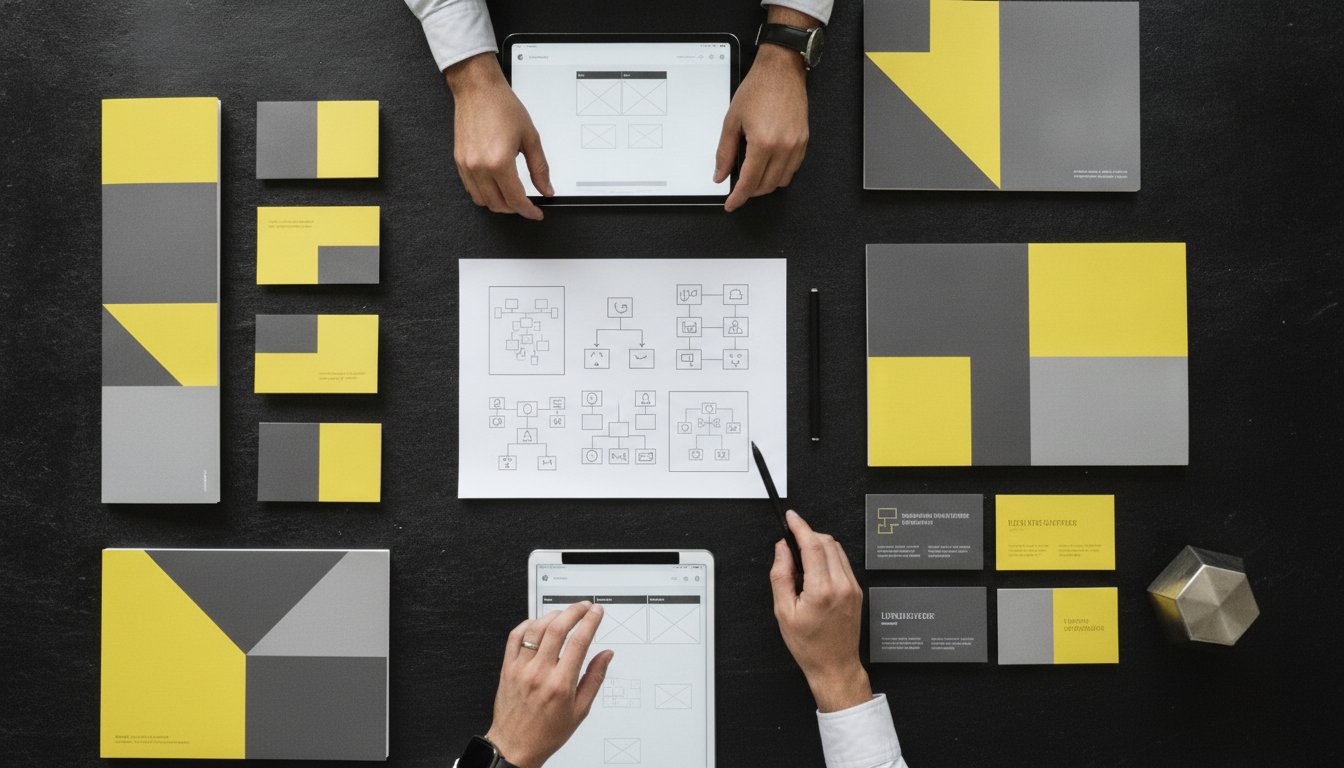
Visual hierarchy is the strategic arrangement of elements to guide the eye. It dictates the order in which a customer consumes your information. The product name must lead. Key benefits should follow. In Australia, regulatory requirements like weights, measures, and ingredient lists are non-negotiable. However, they don't have to clutter your canvas. Smart designers tuck these details onto secondary panels, leaving the "hero" face clean and evocative. This clarity builds trust. It tells the customer you respect their time and their intelligence.
Colour psychology plays a massive role in Australian consumer purchasing decisions. We see a strong lean toward earthy, desaturated tones for wellness brands, while bold, high-contrast palettes often dominate the local craft beverage scene. Typography then adds the finishing touch. It must balance legibility with brand personality. A serif font might whisper tradition and heritage. A clean sans-serif screams modern innovation. Choose a typeface that reflects your character, but ensure it remains readable under supermarket lights or in a dimly lit warehouse. Consistency here is what builds a recognisable brand over time.
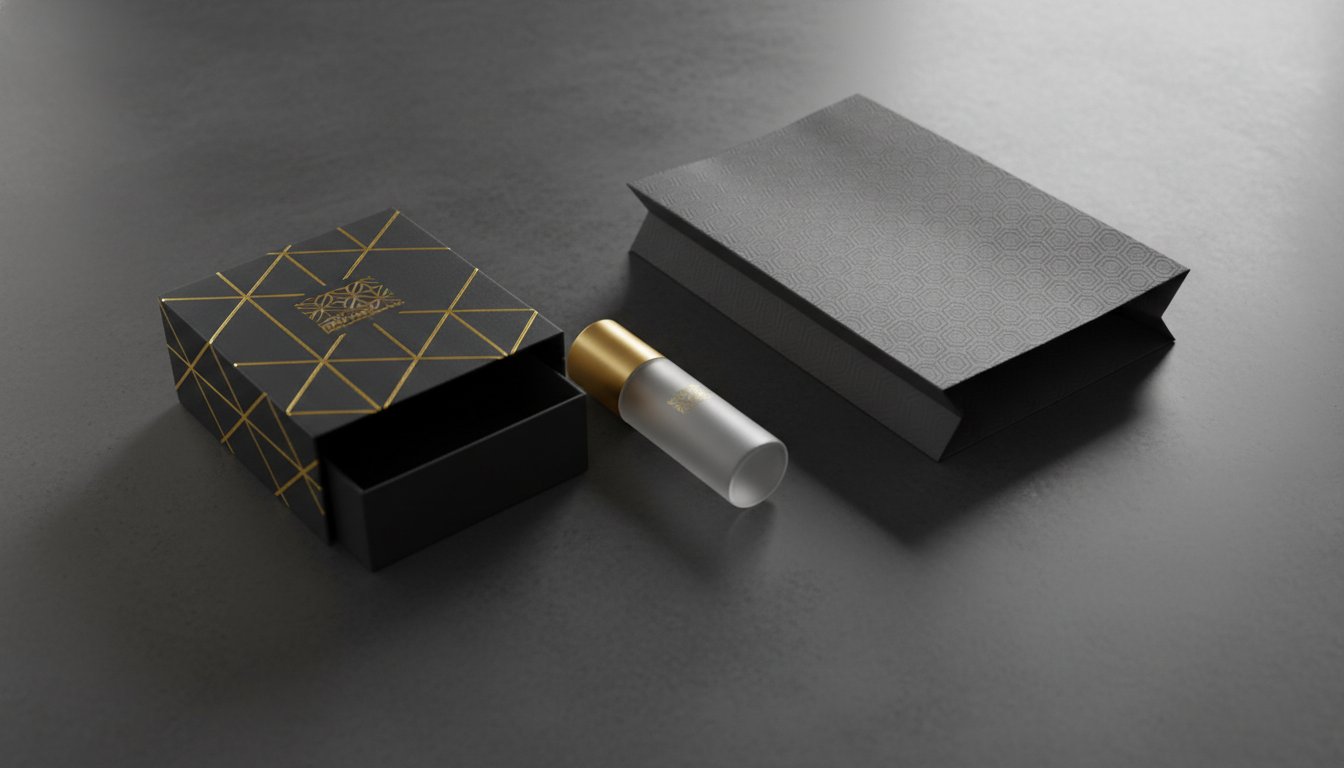
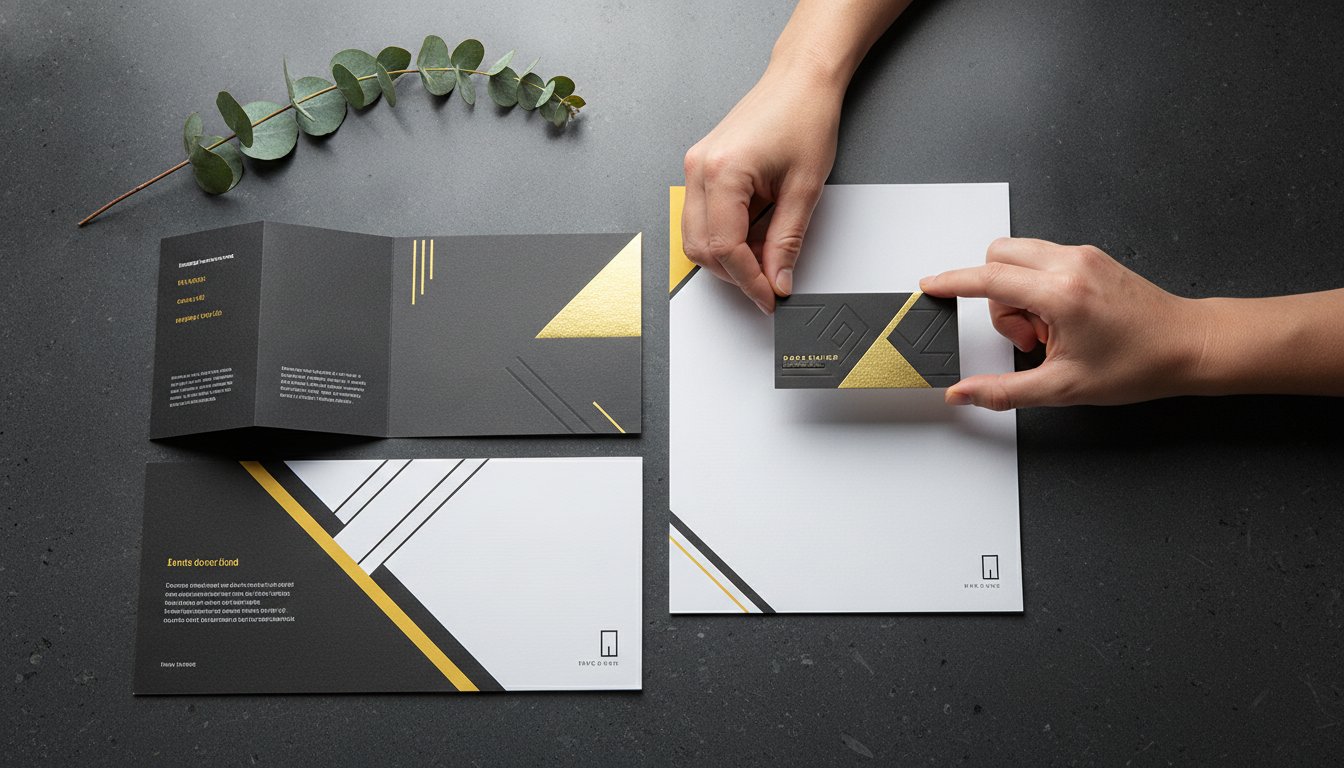
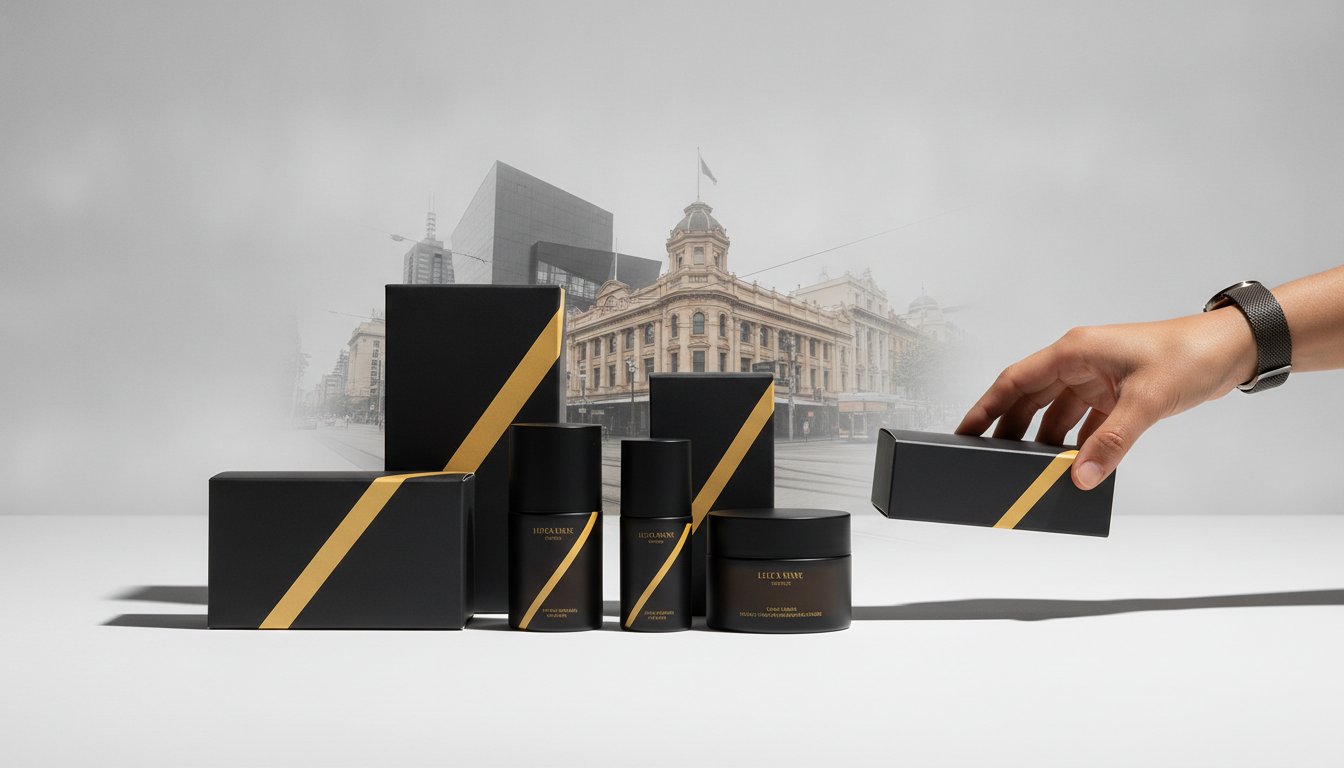
The "feel" of your packaging is just as vital as the "look." Texture creates an unforgettable unboxing experience that resonates long after the box is opened. Matte finishes often convey a contemporary, sophisticated vibe. Gloss coatings, conversely, can make colours pop and signal energy. For those looking to elevate further, consider the tactile impact of embossing, foil, or custom die-cuts. These premium finishes signal quality to the fingertips. They justify a higher price point by making the product feel substantial and rare.
If you are aiming for the top tier of your market, our insights on luxury packaging design offer a deeper dive into high-end retail strategies. Choosing materials that reflect your ethics is also essential. Whether it is recycled board or plant-based coatings, your materiality should match your brand’s promise. If you are ready to refine your physical presence, exploring professional packaging design services can help align your vision with market expectations. It is about bridging the gap between where your brand is and where it deserves to be.
Growth requires hard choices. Every Australian small business starts with a budget. We know the pressure of making every dollar count. Often, the first instinct is to save on the exterior to protect the interior. This is a practical starting point, but it shouldn't be your final destination. There is a hidden cost to poor design: lost brand trust. If your packaging feels flimsy or generic, customers may assume your product is too. Strategic packaging design for small business is about finding the sweet spot where your investment meets your ambition.
The transition from DIY to professional design usually happens when your brand vision exceeds your physical box. Perhaps you're moving into retail. Maybe your shipping volumes have scaled. Professional design provides a significant return on investment through price elasticity. When a product looks premium, it justifies a higher price point. It stands out on a crowded shelf. It commands attention. This isn't just about a logo; it's about a cohesive system that signals quality to the Australian consumer before they even break the seal.
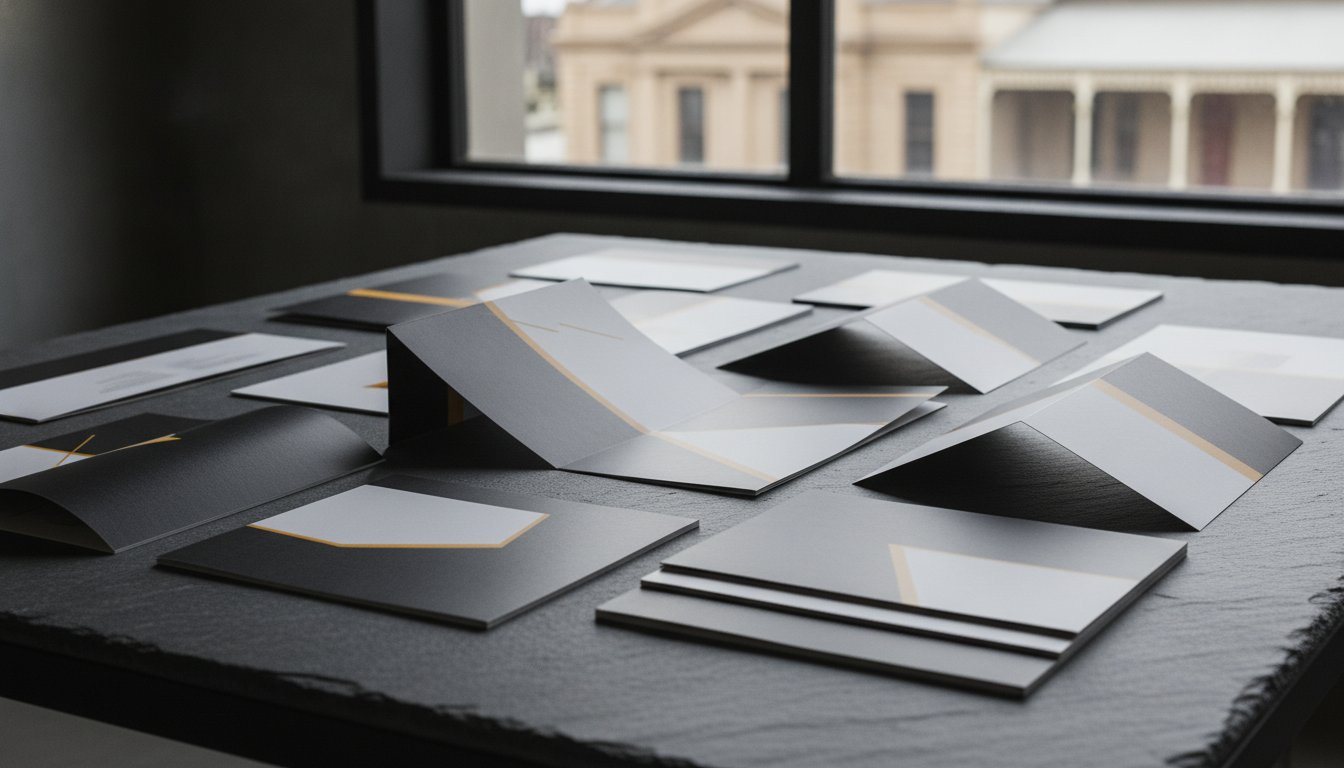
You don't always need a fully custom printed box to look professional. For many emerging brands, high-quality strategic product label design services are the perfect entry point. A well-designed label on a stock mailer can look incredibly sophisticated. The key is in the execution. Choose premium textures. Use custom die-cut shapes. Ensure the label doesn't look like an afterthought. You can further elevate this experience with custom-branded tissue paper or tape. These are cost-effective ways to create a "middle ground" that feels intentional and high-end without the minimum order quantities of bespoke boxes.
As you scale, custom structures offer benefits that go far beyond aesthetics. Bespoke box shapes and internal inserts provide a level of protection that generic solutions can't match. They create that vital "wow" factor during unboxing. More importantly, custom-fit dimensions can actually reduce your long-term shipping costs. By eliminating wasted space, you lower your volumetric weight for Australian couriers. This precision also reduces the need for excess filler like bubble wrap or plastic air pillows. It is a cleaner, more sustainable, and more professional approach that proves strategy always beats a one-size-fits-all solution.
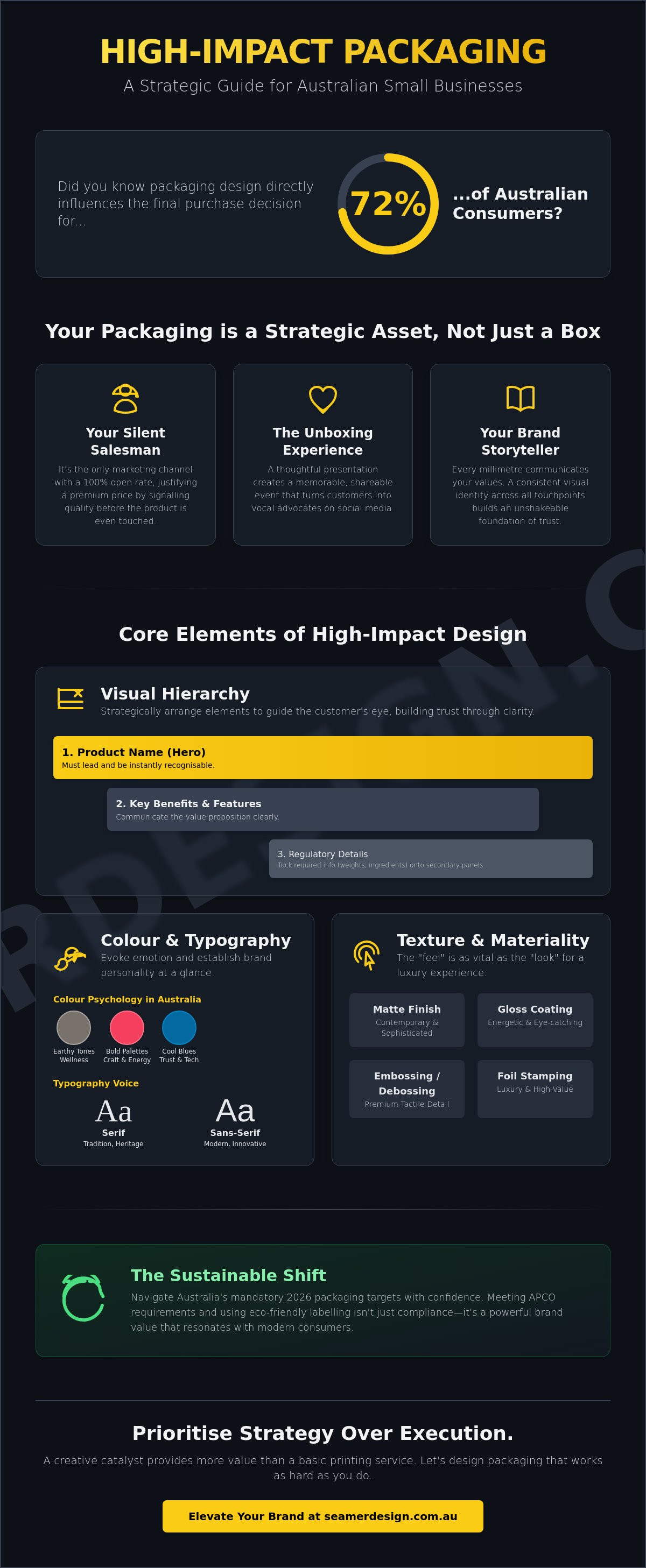
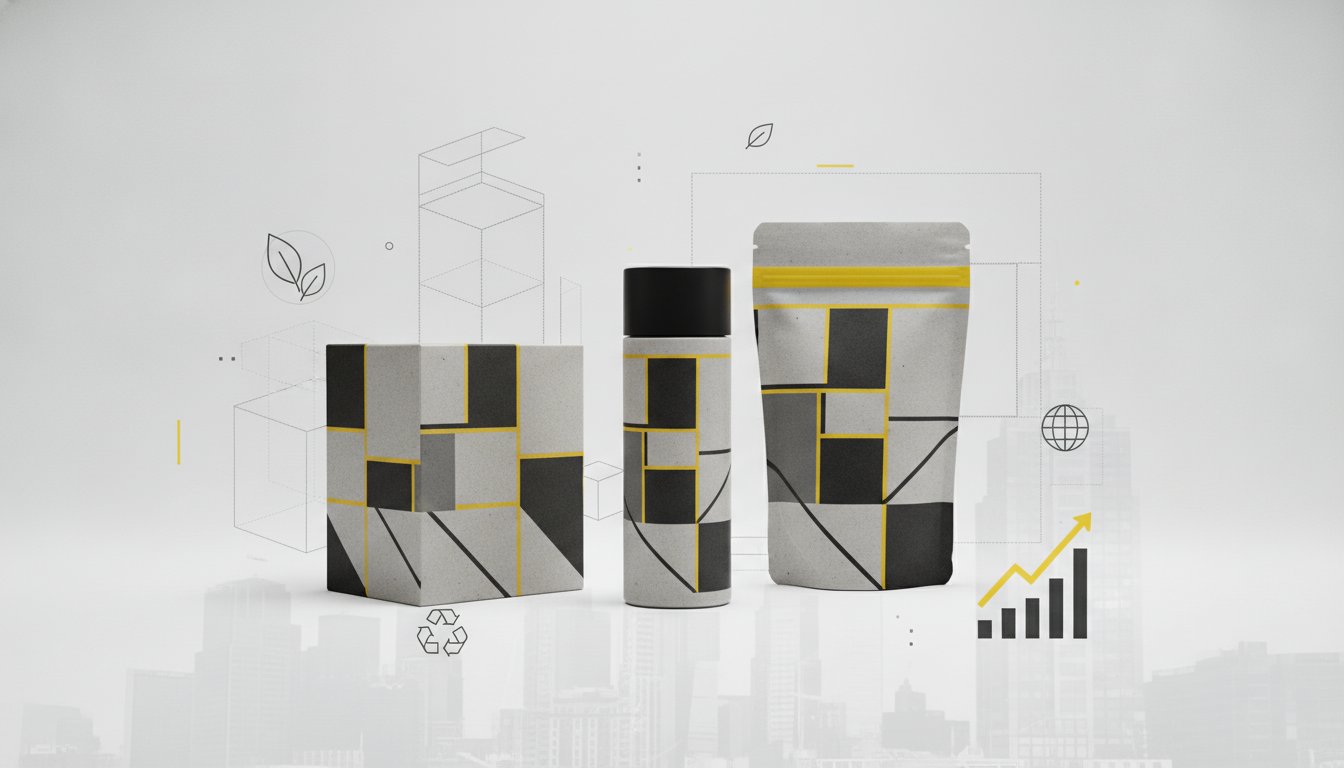
Australia is moving fast. By 2026, 100% of all packaging in the country must be reusable, recyclable, or compostable. This shift turns voluntary commitments into mandatory requirements for every brand on the market. For those investing in packaging design for small business, sustainability is no longer a secondary thought. It is the core of your brand strategy. Recent data shows that 60% of Australian consumers are willing to pay more for products with eco-friendly packaging. They want to see the Australian Packaging Covenant Organisation (APCO) labels. They want to know their purchase won't end up in landfill.
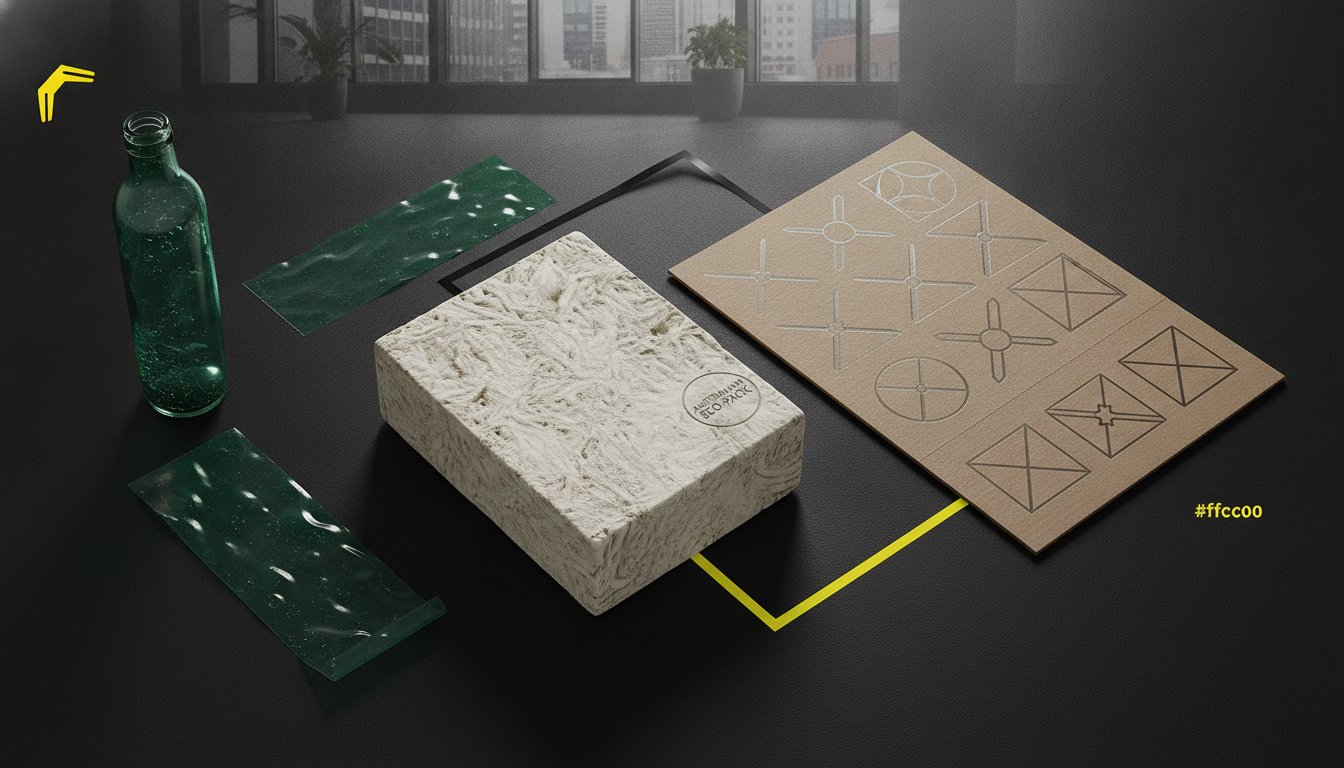
Eco-friendly does not mean boring. You don't have to settle for a "brown and rustic" look to be sustainable. High-end brands now use soy-based inks and recycled stocks that feel incredibly premium to the touch. The goal is transparency. Avoid vague buzzwords that lead to greenwashing. Instead, use specific certifications and clear disposal instructions to provide honest information. Strategic packaging design for small business ensures your sustainability claims feel authentic and earned. This builds a foundation of trust that generic competitors simply cannot match.
Material choice is your first line of defence. Compostable mailers and FSC-certified papers are now the standard for forward-thinking brands. It is vital to understand the difference between biodegradable and compostable in the Australian context. Always look for the AS 4736 (industrial) and AS 5810 (home) standards to ensure true compliance. These certifications guarantee the material actually breaks down in local facilities. If you want to stay ahead of the curve, read our analysis of sustainable packaging design trends for the coming year.
Minimalism is more than a style. It is a strategic reduction of waste. By tightening your packaging-to-product ratio, you cut down on raw materials and lower your shipping emissions. Think about the "second life" of your box. A package that serves as a permanent storage solution or a display stand stays out of the landfill and keeps your brand in the customer's home. Minimalist design reduces environmental footprint while increasing brand sophistication.
Ready to lead the change? Discover how our strategic packaging design experts can help you transition to a circular model that respects the planet and your bottom line.
Many businesses mistake a printer for a partner. It is a costly error. A printer follows instructions. A partner questions them. One provides a product. The other delivers a future. For those seeking packaging design for small business, the value lies in the strategy behind the ink. Execution is the final step. The real work happens long before the press starts running. It begins with understanding your commercial goals and the unique pressures of the Australian retail landscape.
At Seamer Design, we act as a creative catalyst for our clients. We collaborate with ambitious businesses in Melbourne and Ballarat to scale their physical presence. We don't just design boxes. We build brand equity. This requires a sophisticated alignment between your visual identity and your market position. Consistency is the foundation of trust. Your packaging must speak the same language as your website, your digital marketing, and your environmental signage. When every touchpoint is unified, your brand becomes unshakeable.
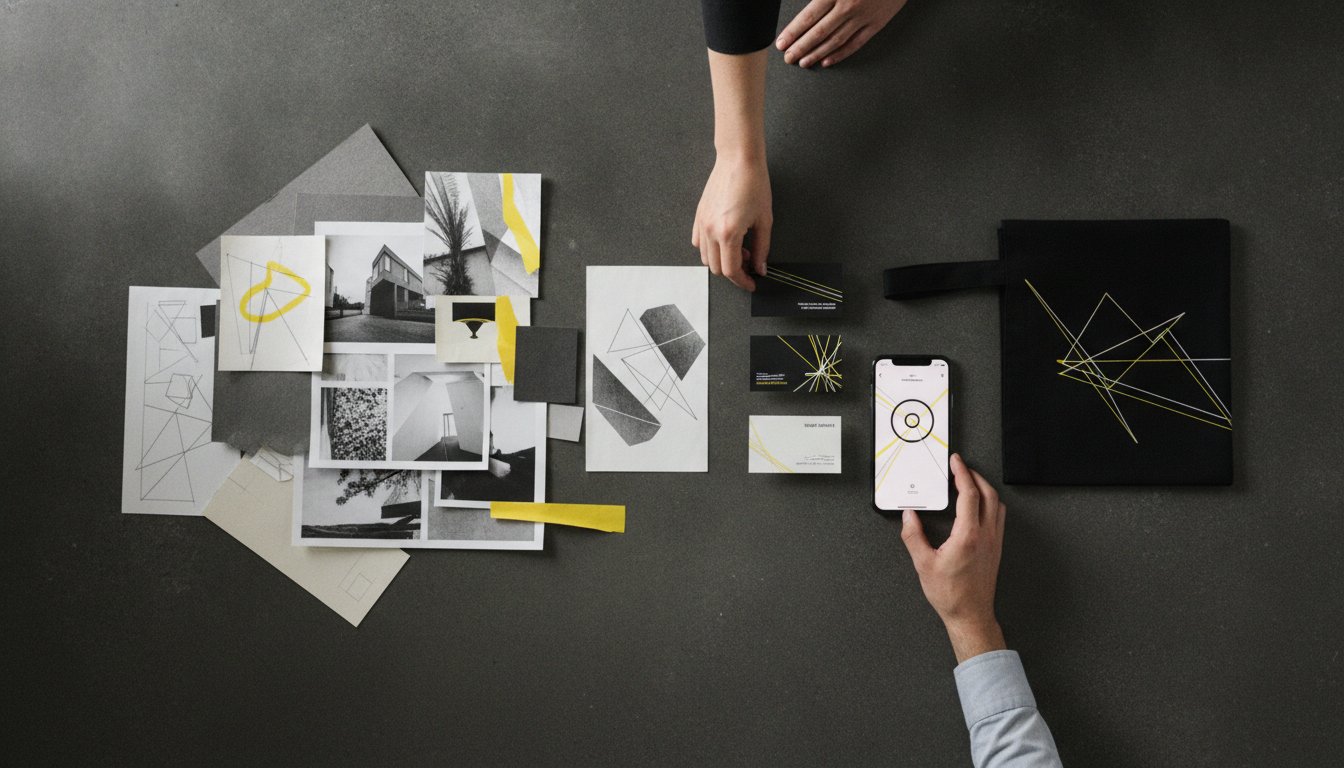
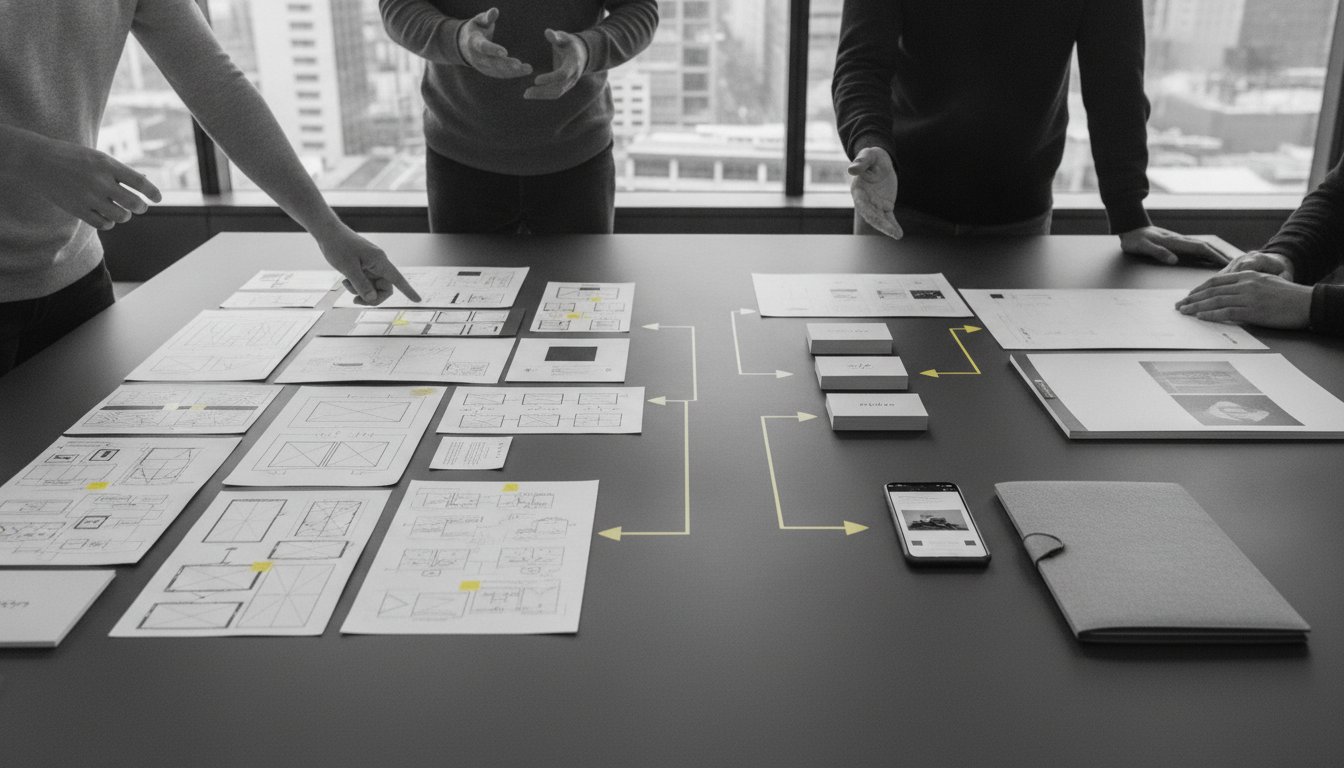
Our process begins with deep discovery. We strip back the layers to find the heart of your brand. Strategy precedes the first sketch. We analyse your competitors. We identify your "Moment of Truth." This intentionality ensures the final design isn't just beautiful; it is effective. Prototyping and real-world testing follow. We ensure the structure works in the hands of the consumer. It must survive the courier and shine on the shelf. Local brands across Victoria have transformed their market share by moving away from templated solutions toward this bespoke, strategic approach. They have moved from being "just another option" to being the only choice.
Packaging does not exist in a vacuum. It is a vital pillar of your broader retail strategy. Whether you are navigating the complexities of food packaging design australia or launching a premium lifestyle range, integration is key. A long-term creative retainer can be a powerful tool for growth. It allows for seamless rolling product launches. It ensures that as your business evolves, your brand remains cohesive and elevated. You aren't just reacting to the market. You are leading it.
The bridge between your current state and your desired future is built on design. It is time to stop settling for "good enough" and start aiming for exceptional. Elevate your brand with Seamer Design’s strategic packaging solutions. Let's create something that drives loyalty and defines your success.
Your product deserves to arrive with purpose. We've explored how visual hierarchy, sustainable materials, and a strategic unboxing experience can redefine your market position. Effective packaging design for small business isn't just about aesthetics; it's about building trust and justifying your value. It bridges the gap between a customer's expectation and their long-term loyalty. When you treat your box as a strategic asset rather than a simple cost, you create a foundation for sustainable growth in a competitive Australian market.
Choosing the right partner is the final piece of the puzzle. With over 20 years of experience in Australian brand strategy, Seamer Design offers a boutique agency service with a national reach. Our award-winning design team in Melbourne and Ballarat works as your creative catalyst, moving your brand from concept to shelf with intentionality and precision. We help you navigate the shift to a circular economy while ensuring your visual identity remains sharp and impactful. It is time to move beyond the generic and embrace a design that truly speaks for you.
Partner with Seamer Design for Strategic Packaging that Sells
Your brand’s next chapter starts with the right handshake. Let's make it unforgettable.
The investment for professional design depends entirely on the scope and complexity of your project. A single label refresh requires a different level of strategy than a full structural overhaul of your product range. Investing in a strategic partner early helps you avoid the hidden costs of poor design, such as low shelf-presence or manufacturing errors.
High-quality custom labels applied to stock boxes are the most budget-friendly entry point for emerging brands. You can elevate this "sticker strategy" by adding branded tape, custom tissue paper, or by using professional labelling equipment from DymoOnline to ensure a crisp, high-end finish. This approach allows you to achieve a premium feel and maintain packaging design for small business standards without the high initial investment of fully custom printed containers.
Yes, because these environments serve different strategic purposes. Retail packaging must use bold visual hierarchy to grab attention on a crowded shelf. Online shipping focuses more on the tactile unboxing experience and ensuring the product survives the courier journey. Many successful brands use a durable outer shipper to protect their high-end internal retail packaging.
Minimalism is your most effective tool for sustainability. By reducing the overall amount of material used, you lower both waste and production costs simultaneously. Opting for FSC-certified recycled papers and soy-based inks is a cost-effective way to meet consumer expectations without needing a complete structural redesign.
Australian labels must comply with strict standards set by the ACCC and specific industry codes. You are required to clearly display weights and measures, ingredient lists, and Country of Origin Labelling (CoOL). It is also vital to align with the 2026 National Packaging Targets, which mandate that all packaging must be reusable, recyclable, or compostable.
Start by assessing your product's weight, fragility, and value. Heavy items require higher-grade corrugated board, while premium goods might suit rigid boxes with sophisticated matte finishes. Your material choice should always reflect your brand’s ethics and the practicalities of the Australian climate and shipping distances.
You can use your logo on generic boxes, but it often feels like an afterthought. Custom packaging allows for unique shapes and internal inserts that provide better protection and a more professional finish. It transforms a simple delivery into a powerful brand statement that builds deeper trust than a generic box ever could.
Minimum Order Quantities vary depending on the printing method. Digital printing often allows for small runs of 50 to 100 units, which is perfect for startups testing a new concept. Traditional offset printing usually requires at least 500 units but offers a significantly lower per-unit cost for businesses ready to scale their production.




.jpg)
.jpg)
%20(1).jpg)