Your proprietary workflow is more than a checklist. It's the most valuable asset your business owns. Yet, for many founders, this magic remains invisible to the outside world. You know your results are superior, but when you explain your method, it sounds exactly like everyone else. Naming a new business process is the strategic move that shifts you from a commodity to a category of one.
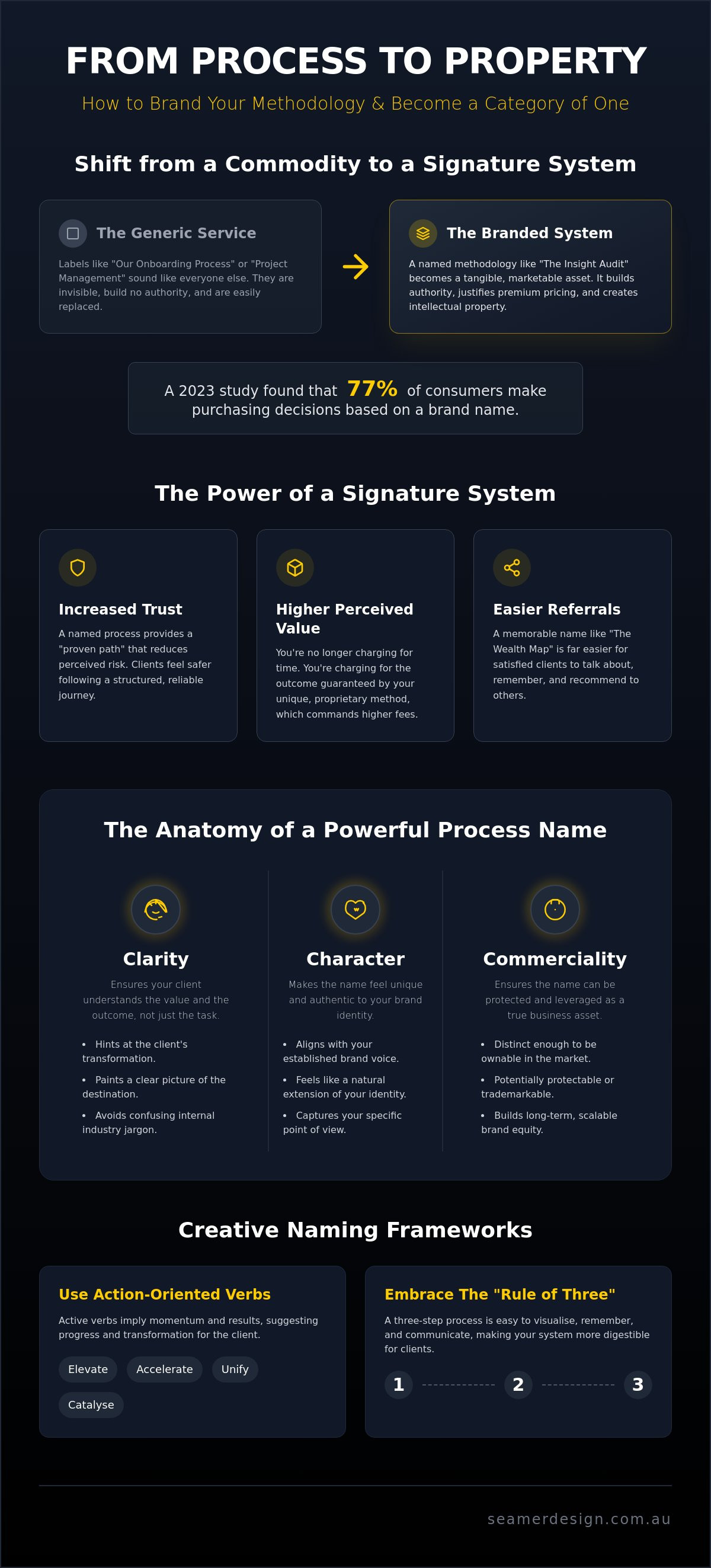
We believe your expertise deserves to be recognised. A 2023 study found that 77% of consumers make purchasing decisions based on a brand name. By branding your methodology, you stop selling time and start selling a proprietary system. This article reveals how to transform a standard sequence of tasks into a branded asset that commands authority. We'll walk through a framework to help you find a name that resonates, increases your perceived value, and provides a clear way to communicate your unique impact.
• Stop using generic service labels and start building immediate authority through a branded methodology.
• Master the creative frameworks for naming a new business process that balance clarity with commercial appeal.
• Identify your workflow's "Magic Moment" to ensure your proprietary system focuses on the client's ultimate transformation.
• Elevate your brand strategy by visualising your system with professional icons and diagrams.
• Learn how to integrate your new asset into your website to simplify sales conversations and increase perceived value.
A branded business process name is a unique title given to your proprietary methodology or service delivery system. It transforms a standard workflow into a tangible, marketable asset. Most businesses describe their operations using generic labels like "Our Onboarding Process" or "Project Management." These terms are invisible. They fail to build authority because they sound exactly like every other competitor in the market. This isn't just about semantics; it's about ownership.
When you focus on naming a new business process, you shift from being a replaceable service provider to an intellectual property owner. You aren't just performing a task; you're applying a signature system. This creates a mental shortcut for your clients. They don't need to master the intricacies of business process modelling to trust your output. They simply need to believe in the system you've built. A strong name provides that "buy-in" instantly.
Distinguish between how your team works and how your market perceives that work. Internal names are for efficiency. External names are for authority. Your team might call a step "Data Collection," but your client experiences "The Insight Audit." One is a functional requirement; the other is a strategic value-add. Naming a new business process involves choosing the right balance between literal descriptions and evocative branding. While your internal team needs clarity to avoid errors, your clients need a name that promises a specific transformation.
Humans crave certainty. A named process provides a "proven path" that reduces the perceived risk of a purchase. When a methodology has a specific title, it feels tested and reliable. This builds brand equity that lives beyond any single project or person. In the Australian market, where differentiation is key, a signature system justifies premium pricing. You're no longer charging for your time. You're charging for the outcome guaranteed by your unique methodology. Consider the impact of a named system:
Clients feel safer following a structured, named journey.
Proprietary methods command higher fees than generic services.
A named system is easier for clients to talk about and recommend.
Ultimately, a branded name elevates your work. It turns your daily efforts into a scalable asset that builds long-term value and establishes you as a visionary leader in your field.
In highly regulated industries, a branded system also serves as a vital risk-management tool. For example, The Sphere Group applies a structured methodology to help Australian businesses navigate tax compliance and understand common audit triggers.
A great name isn't a happy accident. It's the result of strategic intent. When naming a new business process, you must balance three critical pillars: Clarity, Character, and Commerciality. Clarity ensures your client actually understands what they're buying. Character makes the name feel unique to your brand. Commerciality ensures the name can be protected and leveraged as a business asset. If a name lacks any of these, it won't perform the way you need it to.
Your name should act as a bridge. It moves the client from their current pain to a desired future. Instead of describing the work you do, hint at the transformation they experience. If you're a financial advisor, "The Wealth Map" is clearer than "Fiscal Analysis Phase One." It paints a picture of the destination. Avoiding the jargon trap is essential here. Use language that feels sophisticated but remains accessible to someone outside your industry. You want to sound like an expert, not a textbook.
Ownability is the final hurdle. In the Australian market, you need a name that is distinct enough to potentially trademark. A name that is too generic won't just fail to inspire; it will be impossible to defend. Researching the process and pitfalls of naming reveals that the best titles are those that capture a specific point of view. It's about finding a name that you can truly own in the minds of your audience.
Movement creates momentum. Use active verbs to imply results. Words like "Elevate," "Accelerate," or "Unify" suggest progress. We often recommend the "Rule of Three" for simplicity. A three-step process is easy to visualise and even easier for a client to remember. Combine a functional term with a brand-specific adjective to create something unique. Think "The Precision Audit" or "The Catalyst Framework." This structure provides enough context to be clear while remaining distinct enough to be yours.
Consistency builds trust. Your process name must feel like a natural extension of your visual identity. A high-end Melbourne consultancy might opt for minimalist, one-word names like "The Ascent." Conversely, a Ballarat startup might prefer something more grounded and descriptive like "The Local Growth Engine." Both work, provided they match the brand's personality and the expectations of their specific market.
Test the rhythm of your chosen name. Read it aloud. Is it punchy? Does it flow? A name with a strong cadence is more likely to stick in a prospect's mind. If you're struggling to find the right words, a professional brand strategy session can help uncover the core essence of your methodology and translate it into a powerful name.
Selecting a framework provides the scaffolding for your creative decisions. It removes the guesswork. Naming a new business process requires a strategic choice between immediate clarity and long-term brand building. Depending on your industry and audience, one of these four frameworks will likely emerge as the right fit for your brand's unique personality.
The Literal Descriptor is the safest path for complex B2B environments. It prioritises clarity above all else. Names like "The Strategic Growth Audit" tell the client exactly what to expect. There is no room for confusion. While it may feel less evocative, its strength lies in its transparency and professional weight. It works because it respects the client's time and intelligence.
The Metaphorical Journey leans into emotion and aspiration. It's ideal for coaching or creative services where the value is transformative rather than purely transactional. A name like "The Peak Performance Ascent" uses imagery to suggest elevation and success. It invites the client into a story where they are the hero and your process is the guide. This creates a powerful emotional connection before the work even begins.
The Proprietary Acronym creates a memorable, professional shortcut for technical systems. Think of it as a "coded" language for your expertise. It feels scientific and rigorous. Using an acronym suggests you've distilled your years of experience into a repeatable, high-impact formula. It's a brilliant way to make a complex methodology feel digestible and ownable.
The Founder’s Signature builds massive personal authority. When you attach your name to a method, you're staking your reputation on the results. It's a bold move that builds deep trust. Clients looking for a specific expert's touch are often willing to pay a premium for a system that bears the creator's name.
Choosing between these two often depends on your local market. Australian businesses frequently appreciate directness and "no-nonsense" communication. However, if your competitors are all using literal names, a metaphorical approach can help you stand out from the crowd. You might choose to centre the name on the final result rather than the method itself. For example, a builder might name their process "The Stress-Free Handover" rather than "The Construction Sequence." This focuses on the emotional relief the client feels at the end of the project, making the service feel more human and supportive.
Elevating a standard service into a signature system is a powerful branding move. You can transform a generic offering into something far more evocative. For instance, you could rebrand a standard design service as a "Visual Discovery Engine." This approach allows you to highlight your specific graphic design Ballarat expertise by showcasing the strategic depth behind your creative work. If you manage multiple service lines, create a naming hierarchy. Your primary system might be the "Brand Catalyst," while sub-processes handle specific tasks like "Identity Mapping." This structure organises your expertise into a cohesive, professional suite that feels both visionary and grounded.
Creating a name that sticks requires a methodical approach. It's not about waiting for a lightning bolt of inspiration. It's about following a structured creative path. Naming a new business process is a journey from internal mechanics to external impact. Follow these five steps to uncover a name that feels both visionary and grounded.
Step 1: Audit your workflow. Look past the standard tasks. Identify the "Magic Moment" where your client experiences a breakthrough. This is the core of your value. Step 2: Define the Transformation. What is the ultimate result? Focus on the emotional or strategic shift your client undergoes. Step 3: Brainstorm using the Seamer "Creative Catalyst" method. We look for the intersection of your brand's personality and your client's deepest needs. This ensures strategic alignment. Step 4: Filter for impact. Check for clarity, ease of pronunciation, and trademark availability. If people can't say it, they won't share it. Step 5: Test the name. Present your top choices to a trusted inner circle. Listen for their immediate gut reaction.
Success begins with a deep dive into your own operations. Identify the unique steps that your competitors often overlook. These are your points of difference. Use human-centric language to describe even the most technical tasks. Instead of "Data Entry," try "Insight Integration." Before you start brainstorming, write a single sentence that defines exactly what your process does. This becomes your North Star. It keeps your naming efforts focused on the actual value you provide rather than just sounding clever. It's about finding the soul of your methodology before you dress it in a title.
Expand your vocabulary. Use mind-mapping to move beyond industry jargon. If you're in finance, look toward architecture or navigation for fresh metaphors. Be ruthless about "cringe factors." If a name sounds too "salesy" or forced, discard it immediately. Use the "Coffee Shop Test." Can you explain the name to a stranger in five seconds? If they look confused, the name isn't ready. Your goal is a title that feels intuitive and empowering. If you're ready to transform your methodology into a powerful branded asset, our team can guide you through a professional brand strategy to ensure your new name hits the mark.
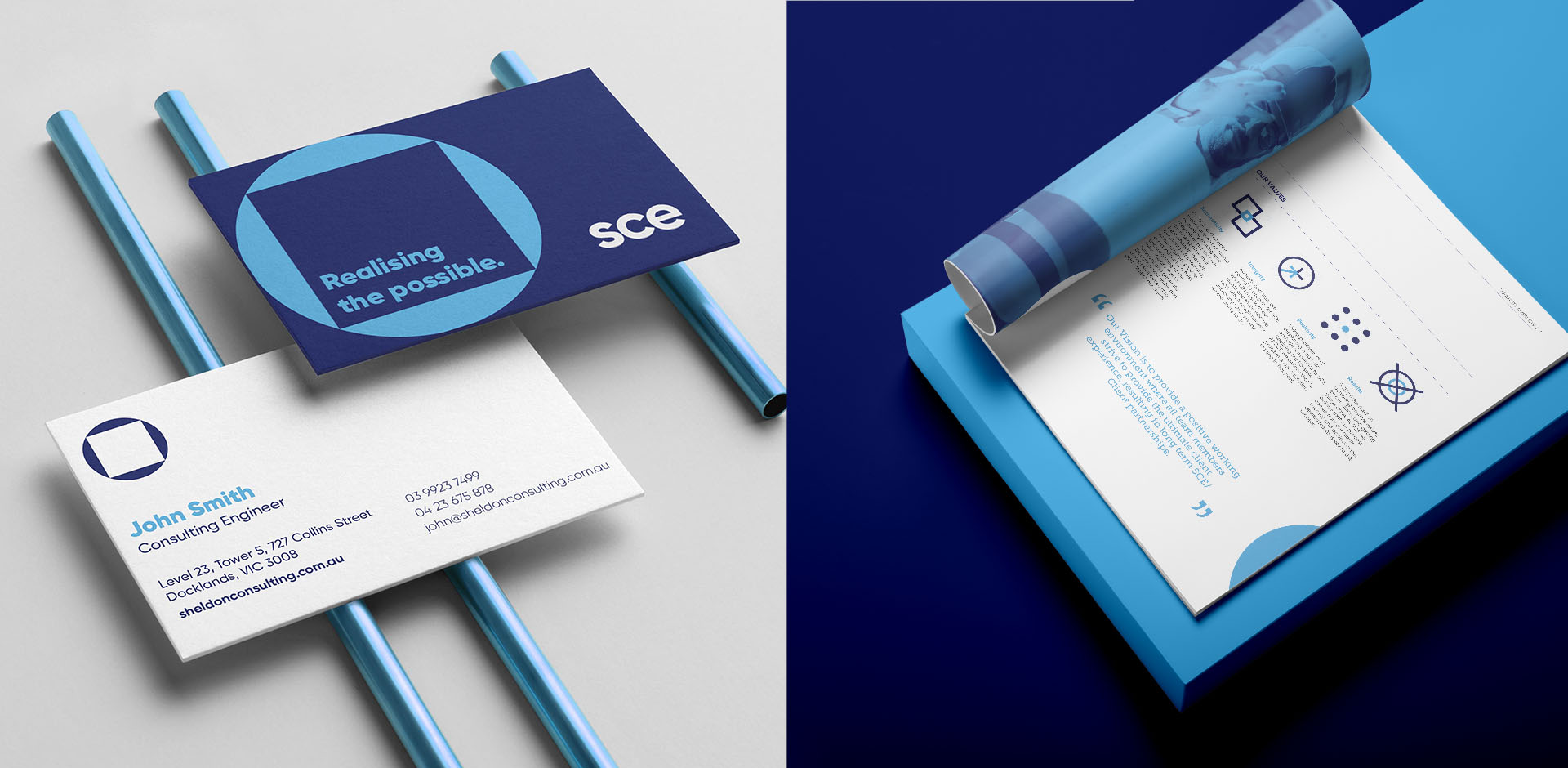
A name is a promise. A visual is the proof. While naming a new business process creates a mental hook, your visual identity system provides the evidence. It transforms a concept into a tangible reality. Professional design ensures your proprietary methodology feels established and rigorous. It moves your workflow from a hidden internal list to a front-facing marketing asset. When your name and your visuals align, you create a cohesive brand experience that builds immediate trust.
Integration is key to longevity. Your new process name must live across every touchpoint. It should appear on your website, in your pitch decks, and within your proposals. This consistency reinforces your authority. It signals to your clients that you have a methodical, repeatable way of working. Partnering with a strategic agency ensures this alignment is seamless. It bridges the gap between the strategy of naming a new business process and the creative execution of its visual form.
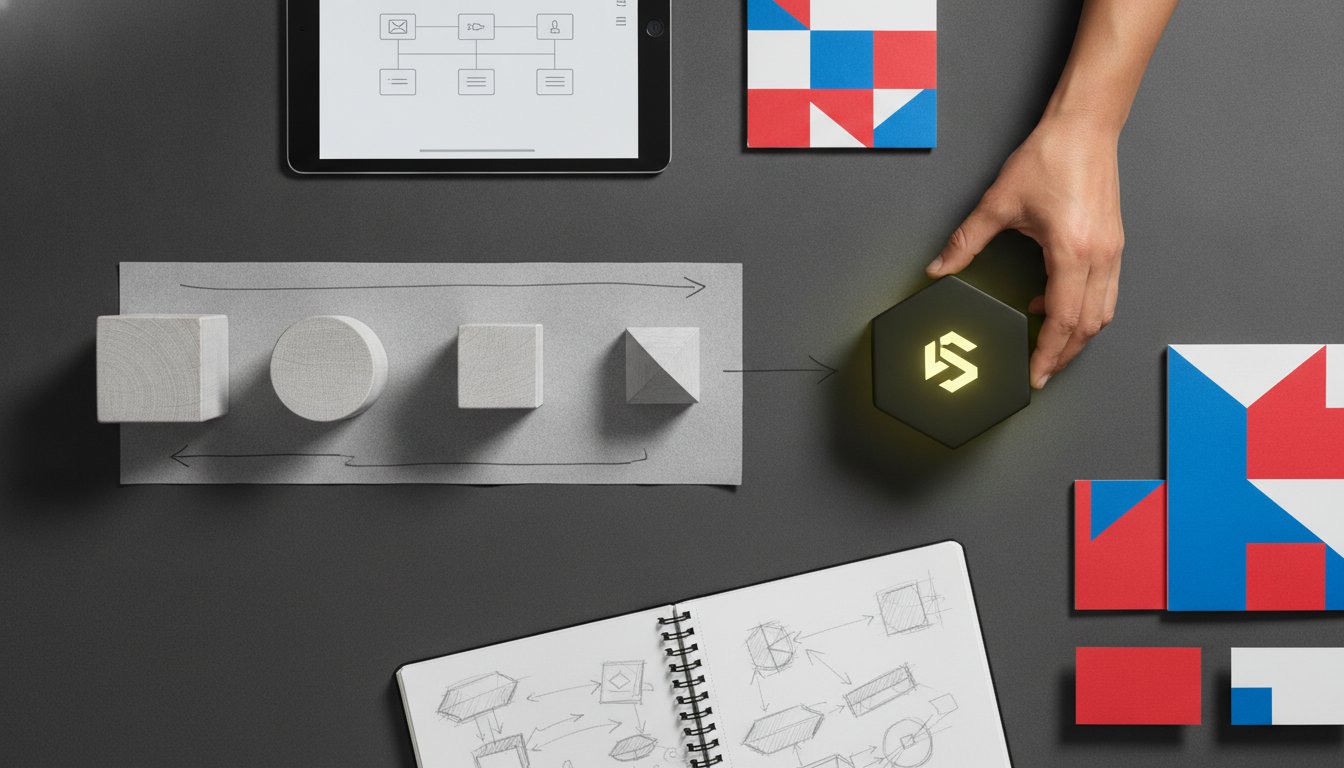
Visual frameworks act as a roadmap for your clients. They simplify complex ideas into digestible diagrams. A well-designed process map allows a prospect to see the entire journey in seconds. This clarity is empowering. It positions your methodology as a core component of your Visual Identity System. Use specific design elements to reinforce your name's meaning. Colour palettes should evoke specific emotional responses at each stage. Typography must establish a clear hierarchy. Unique icons make the methodology ownable. As you finalise your name, remember to consider the legal protections. Trademark and copyright registration are vital steps to protect your intellectual property. Budgeting for these fees ensures your branded asset remains secure as you scale.
Use your brand palette to evoke specific emotional responses at each stage.
Select fonts that mirror the character of your name, whether it is minimalist or bold.
Create unique symbols for each step to make the methodology ownable and memorable.
We understand the nuances of the Australian business landscape. Our brand strategy services empower firms in Melbourne and Ballarat to differentiate themselves through strategic design. We don't just create logos. We build comprehensive visual identity systems that champion your unique expertise. We follow our own branded methodology, "The Seamer Way," to ensure every project is grounded in purpose and results. This methodical approach mirrors the high standards you set for your own clients.
Your expertise is your most valuable asset. Don't let it remain invisible. If you are ready to name and frame your proprietary system, we are here to help. Book a discovery session with our team to start your journey from a service provider to a strategic partner. Let's create a visual identity that matches the power of your process and sets the foundation for your future growth.
Your unique methodology is the engine of your business. It's the reason your clients achieve results that others can't match. By moving beyond generic labels, you transform a standard workflow into a powerful branded asset. Naming a new business process isn't just a creative exercise. It's a strategic investment in your brand's future authority and long-term value. When you give your system a name, you give it life. This makes it easier for clients to trust, buy, and recommend your services with complete confidence.
We've spent over 20 years refining our strategic design approach. As a boutique agency serving Melbourne and Ballarat, we specialise in custom brand identity and strategy that goes beyond the surface level. We understand how to bridge the gap between your internal operations and your external market perception. Your expertise deserves to be framed with the same precision and care you bring to your work every day. Ready to brand your secret sauce? Let's organise a strategy session with Seamer Design. It's time to elevate your brand and lead your market with a system that is uniquely yours.
Trademarking is a strategic move to protect your intellectual property. It prevents competitors from capitalising on your unique methodology. In Australia, a registered trademark provides exclusive rights to use the name within your specific service class. This builds long-term value and ensures your brand remains distinct in a crowded market. It's an essential step for any business looking to turn their process into a protected asset.
Creative names often work best in traditional industries because they break the "sea of sameness." While corporate sectors value reliability, a unique name suggests you have a proprietary way of achieving results. Focus on names that imply elevation or precision. This maintains your professional standing while making your methodology far more memorable than a generic description that your competitors likely use.
Aim for three to five steps for maximum impact. The "rule of three" is a powerful psychological tool that makes information easier to retain. If your workflow is complex, group smaller tasks into these broader, branded phases. This keeps the client journey feeling organised and manageable rather than overwhelming them with technical minutiae. It ensures your system remains easy to communicate during sales conversations.
A service name defines the category, while a process name defines the delivery. For example, "Visual Identity Design" is the service. "The Discovery Engine" is the branded process used to create it. Naming a new business process allows you to brand the "how," which is often where your true competitive advantage lies. To see how a digital platform applies this logic to vehicle assessments, check out My Car Value. It shifts the focus from a commodity service to a proprietary, high-value system.
Introduce the name as a commitment to excellence. Tell existing clients that you have formalised your proven methods into a signature system to ensure consistent, high-quality outcomes. This repositioning adds value to their current experience. It shows you are constantly innovating and refining your craft to better serve their business goals. Most clients appreciate the added clarity and structure a named process provides.
The best names sit at the intersection of unique and descriptive. Purely descriptive names like "The Five-Step Design Plan" are hard to trademark and easy to forget. Purely abstract names can cause confusion. When naming a new business process, aim for a title that hints at the result while remaining distinctive enough to own. This balance creates immediate understanding and long-term brand equity for your firm.
Changing a name is possible but requires a deliberate transition. Treat the change as an "upgrade" to your methodology rather than a correction. Update your website, social profiles, and proposals all at once to maintain consistency across every touchpoint. A strategic rebrand can actually re-energise your market presence if you explain the visionary thinking behind the new direction and how it benefits your clients.
Your name is too complicated if it requires a long preamble to explain. If a prospect can't grasp the concept within a few seconds, it will fail to stick. Avoid industry jargon that only your peers understand. A successful name should feel intuitive and aspirational, instantly connecting the client to the transformation they desire. Use the "Coffee Shop Test" to ensure your name is punchy and accessible.